Common Beginner Miniature Painting Mistakes and How to Fix Them
Published How we research
Every accomplished miniature painter made the same handful of mistakes at the start, and most of them are not failures of talent but of information. Knowing the standard traps in advance will not make your first models masterpieces, but it will save you months of wondering why results lag behind effort. Better still, almost every classic mistake has a cheap, immediate fix, and none of them requires buying your way out of the problem.
Products from this article
The highest-scoring picks from the buying guides this article links to. Scores are our editorial assessment, not customer ratings.
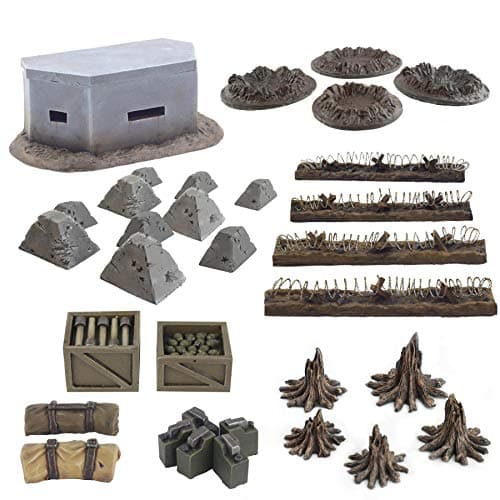
+ Large mixed set: 1 pill box, 10 dragon's teeth, 4 craters, 5 tree stumps, 4 barbed wire positions and stowage
From our guide: The Best Terrain Kits for Tabletop Wargaming
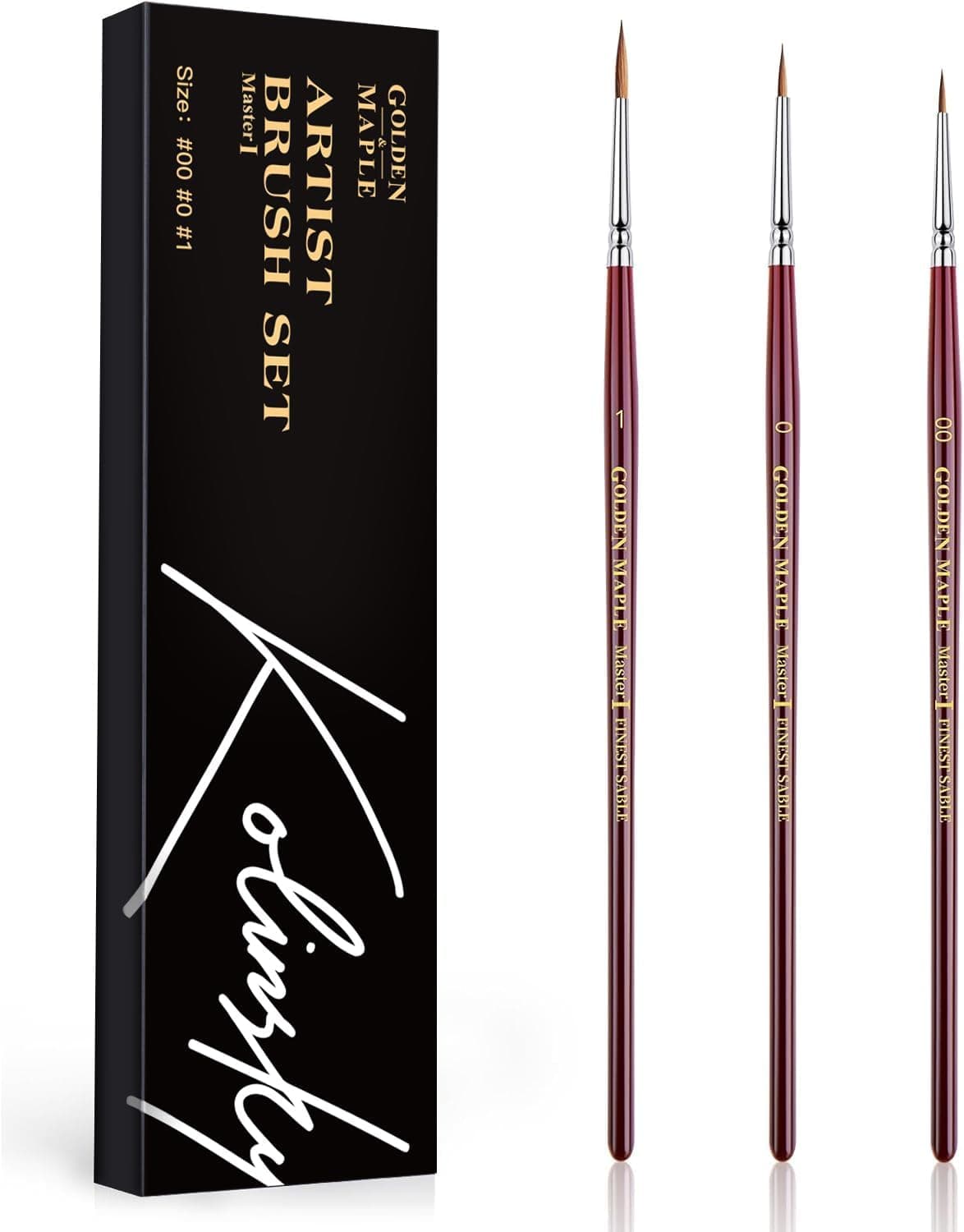
+ Sizes 00, 0 and 1 are the core range most mini painters rely on
From our guide: Best Miniature Paint Brushes for Every Budget
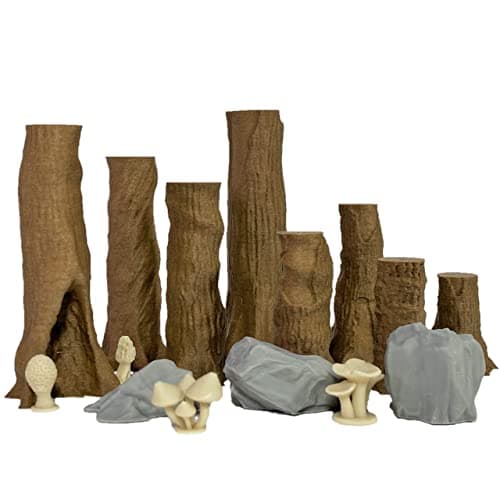
+ Eight trees and three rocks give enough scatter to mark out a small forest on an RPG or skirmish table
From our guide: The Best Terrain Kits for Tabletop Wargaming
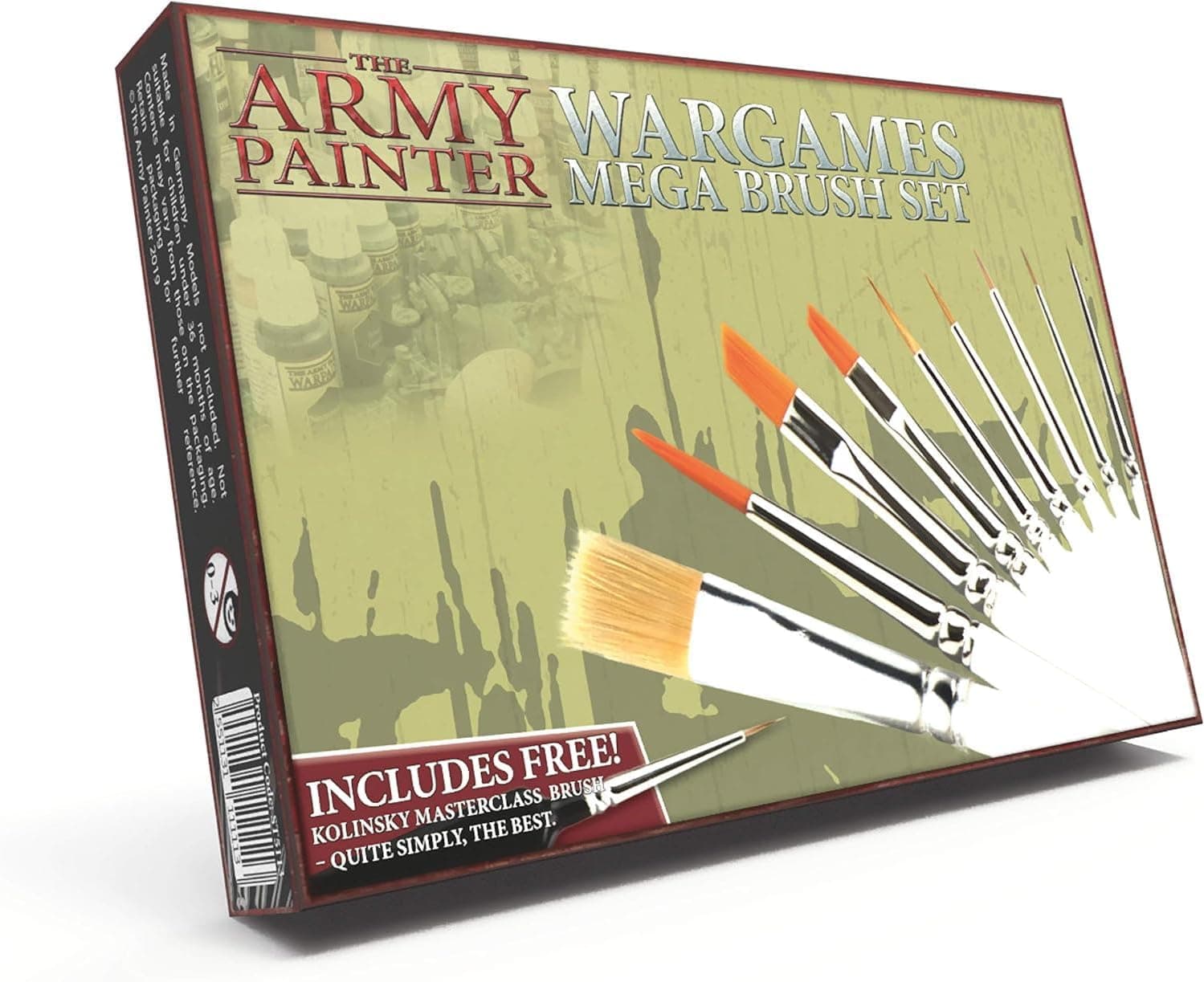
+ 10 brushes cover basecoating, drybrushing, shading and detail
From our guide: Best Miniature Paint Brushes for Every Budget
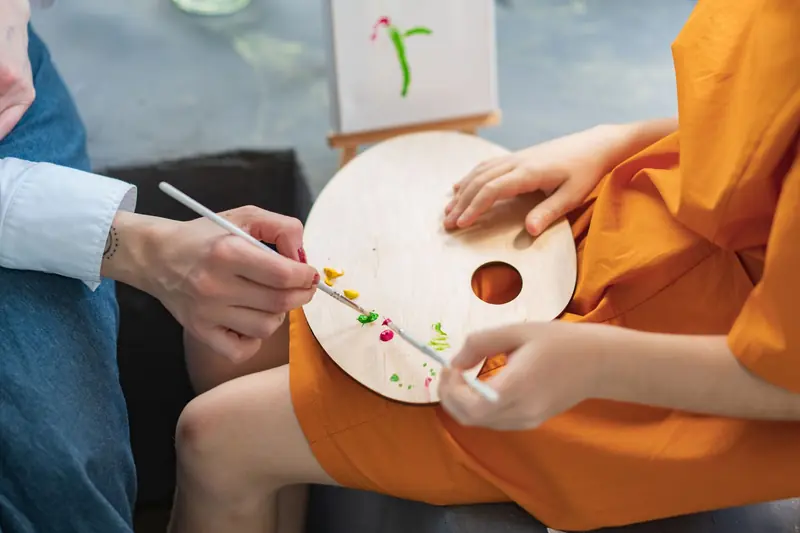
Thick paint is mistake number one by an enormous margin. Paint straight from the pot fills in sculpted detail, leaves ridges and brush strokes, and dries into a lumpy skin that no later technique can hide. The fix is mechanical, not artistic: thin every paint with water or medium until it flows, expect two or three coats for coverage, and let coats dry between passes. Related crimes include overloading the brush to the ferrule and scrubbing paint around instead of laying it in strokes. Fixing consistency alone typically improves a beginner's output more than a year of other practice.
Preparation shortcuts follow close behind. Skipping priming leaves paint that rubs off at every touch point. Ignoring mold lines means a raised seam running across a face, invisible until primer, glaring forever after. Painting fully assembled models with arms blocking the chest makes some areas physically unreachable. Each has the same cure: slow down before the fun part. Clip, scrape, wash, subassemble where sensible, and prime properly. Ten minutes of prep protects the twenty hours of painting that follow.
Tool mistakes quietly sabotage technique. Painting everything with one huge or one tiny brush, using the same battered brush for metallics and fine lines, letting paint dry in the bristles, and standing brushes bristle-down in the water pot all produce symptoms beginners blame on skill. A modest set of two or three decent synthetic rounds, kept clean and pointed, outperforms a jar of abused brushes. Equally, painting under a dim warm ceiling bulb hides the very contrast you are trying to paint; any bright, cool desk lamp transforms accuracy immediately.
Process mistakes cost the most motivation. Overworking is the classic: fiddling with a wet area until it lifts and tears, adding fifth and sixth corrective layers that bury detail, chasing perfection on a model that needed to be finished. Its sibling is scope failure, starting with a hundred-model army or a competition-grade centerpiece as the first project. The professional habit that fixes both is walking away when a step is done, letting things dry fully, and defining a modest finish line in advance: base coats, one wash, one highlight, based, varnished, done.
The final mistake is psychological: comparing your third model to work from painters on their thousandth, then quietly giving up. The painters you admire have a decade of ruined models behind them that never got photographed. Progress in this hobby tracks models completed, not hours agonized, so finish things, photograph them for your own record, and move to the next. A shelf of imperfect finished miniatures beats a drawer of pristine grey plastic in every way that matters, including how fast it turns you into the painter you want to be.
Popular right now
- The Best Miniature Carrying Cases for TransportBuying guide
- Best Texture Paints for Basing MiniaturesBuying guide
- Best Drybrushes for Miniatures and TerrainBuying guide
- The Best Magnifiers for Miniature PaintingBuying guide
- Best Miniature Paint Sets for Tabletop PaintersBuying guide
- Best Speed Paints for Fast Miniature PaintingBuying guide
Based on the last 28 days of search and visitor data.