Small-Space Living Tips
Practical mini painting advice: priming, thinning paints, layering and drybrushing, washes and contrast, airbrush basics, basing, and the tools that make better minis easier. the US. No fluff, just what works.

How to Get Acrylic Paint Off Clothes: Wet, Dried and Hobby Paint Stains
How to get acrylic paint off clothes: rinse wet paint from the back with cool water and soap, soften dried paint with rubbing alcohol, and skip the dryer.
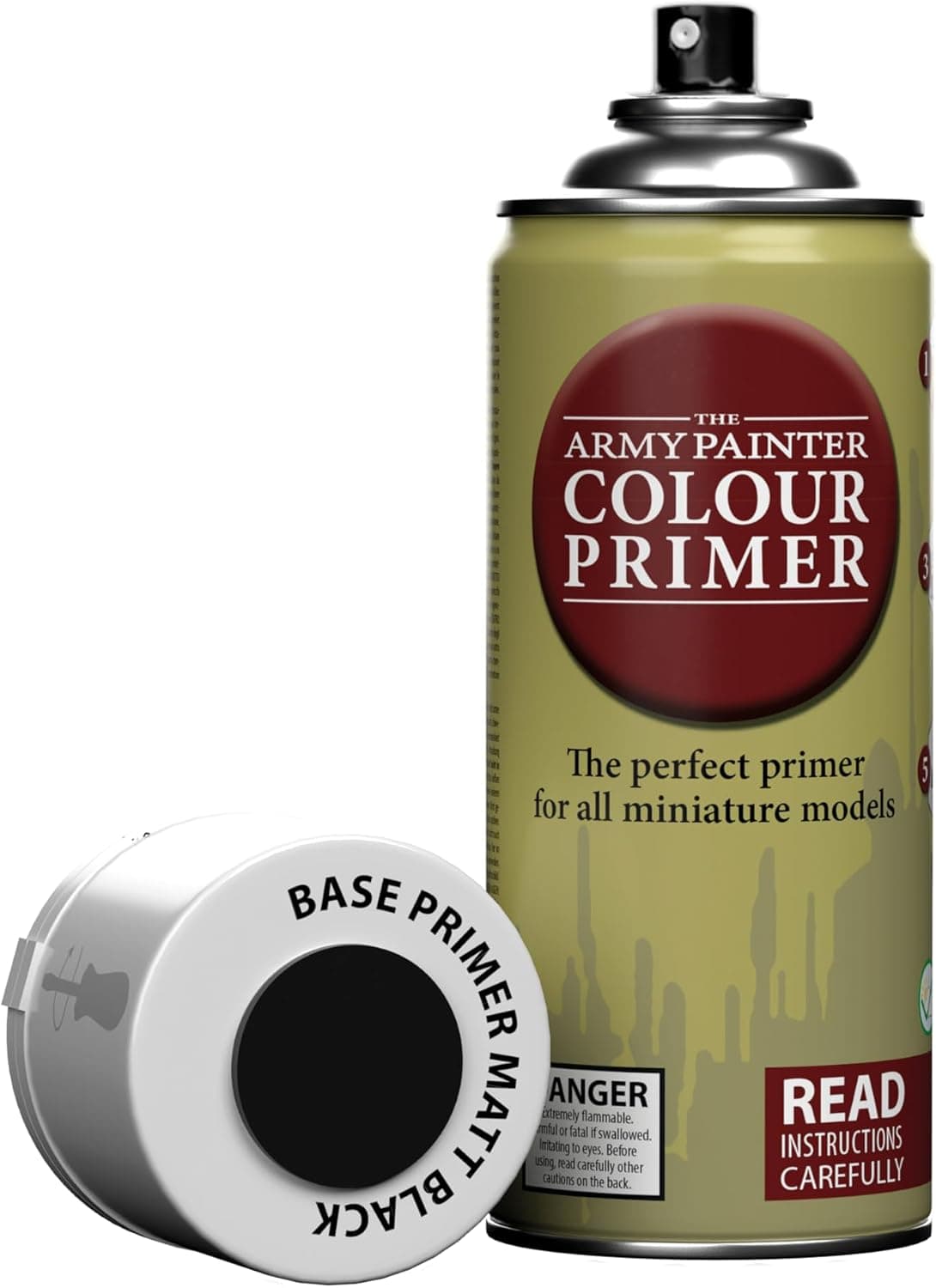
When to Put On Primer: Where Priming Fits in the Miniature Build Order
When to put on primer: after mold lines, washing, gluing and gap filling, before paint. Which parts to prime as sub-assemblies and how long to wait at each step.

How to Glaze Miniatures for Smooth Color Transitions
Glazing miniatures means brushing on very thin, transparent paint to tint a surface or smooth a blend. Mixing ratios, brush loading, drying time and common fixes.
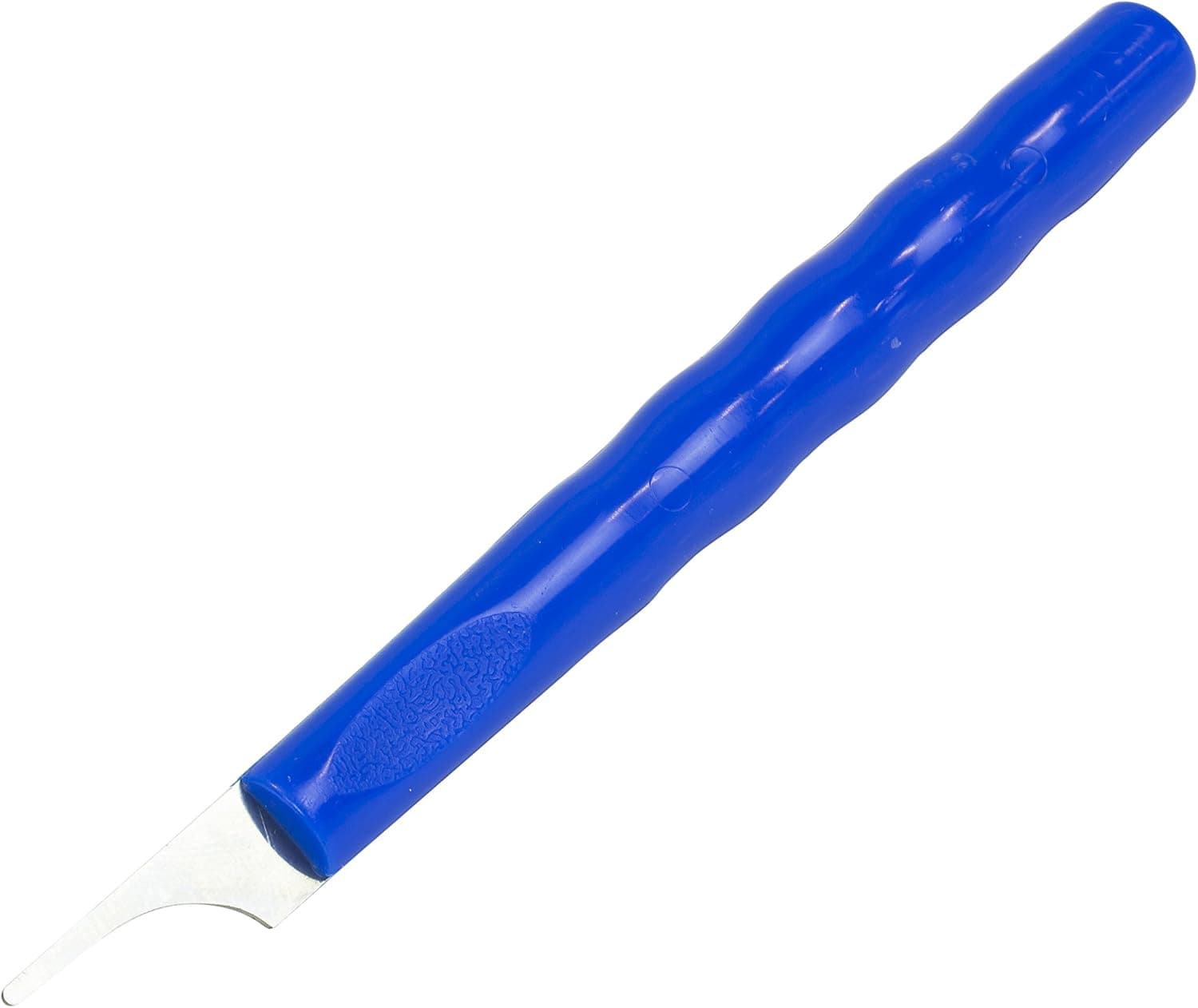
How to Remove Mold Lines From Miniatures
Remove mold lines from miniatures with the back of a hobby knife, a scraper, files or sanding sticks. Steps for plastic, resin and metal, plus how to fix gouges.
How to Prime Miniatures in Autumn and Winter
Cold, damp weather ruins spray priming with fuzzy, gritty and slow-curing coats. Indoor options, warming cans, ventilation and brush-on primer alternatives.
Why Miniature Paint Dries Chalky or Grainy and How to Fix It
Paint that dries rough, patchy or chalky usually comes from thinning, mixing, old paint or priming problems. How to diagnose and get smooth finishes.
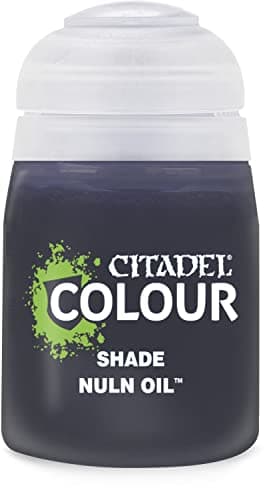
How to Avoid Tide Marks When Using Washes
Washes that dry with blotchy rings, coffee stains or shiny patches. How thinning, pooling, surface tension and gloss varnish help washes settle cleanly into recesses.

How to Fix Frosted and Cloudy Varnish on Miniatures
A white, milky haze after spray varnishing is called frosting. Why humidity, distance and thick coats cause it and how to fix or prevent it on painted minis.
Miniature Paint Thinning Ratio Chart
A practical thinning ratio chart for miniature painting: how much water or medium to add for basecoats, washes, glazes, and drybrushing, plus airbrush ratios.
Speed Painting a Squad in a Weekend
A weekend plan for painting a full squad: Friday prep and priming, Saturday base colors and washes, Sunday highlights and basing, with time-saving choices.
Setting Up a Miniature Painting Workspace That Works
Build a painting station that fits your space: lighting that shows true color, seating and posture, storage, ventilation, and small-apartment solutions.
Common Beginner Miniature Painting Mistakes and How to Fix Them
The mistakes nearly every new painter makes: thick paint, skipped priming, wrong brushes, overworked models, comparison paralysis, and practical fixes for each.
Photographing Miniatures
Phone-friendly miniature photography: lighting with two lamps, backgrounds, focus and depth of field, simple editing, and avoiding the glare that hides work.
Magnetizing Units
Magnetize miniatures for weapon swaps and safe transport: magnet sizes, polarity discipline, drilling and gluing steps, and which projects repay the effort.

Stripping Paint from Miniatures and Repainting Them Right
Rescue old or secondhand miniatures: safe strippers for plastic, resin, and metal, soak and scrub workflow, drying, re-priming, and when not to bother.
Non-Metallic Metal
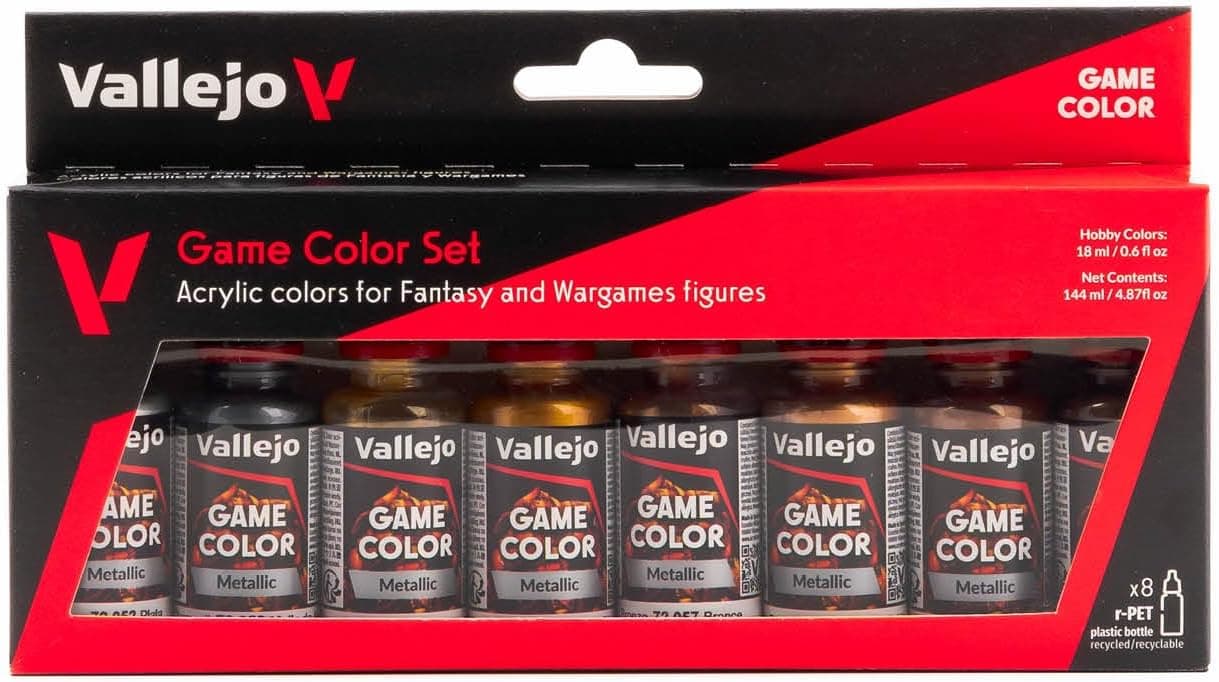
NMM paints metal using only matte colors and placed reflections. How the illusion works, simple ways to start, placement rules, and when metallics still win.
Weathering Effects
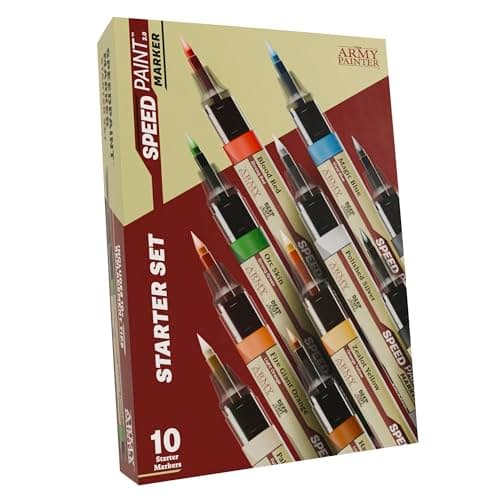
Chipping, dust, rust, grime, and mud techniques for miniatures and vehicles, using sponges, pigments, and washes, plus how to keep effects believable.
Color Theory for Armies
Pick an army color scheme with confidence: the 60-30-10 rule, complementary accents, warm vs cool balance, testing on one model, and keeping notes.
Wet Palette Benefits
A wet palette keeps acrylics workable for hours and days. How the sponge and paper system works, building one for pennies, and habits that avoid over-thinned paint.
Keeping Your Brushes Alive
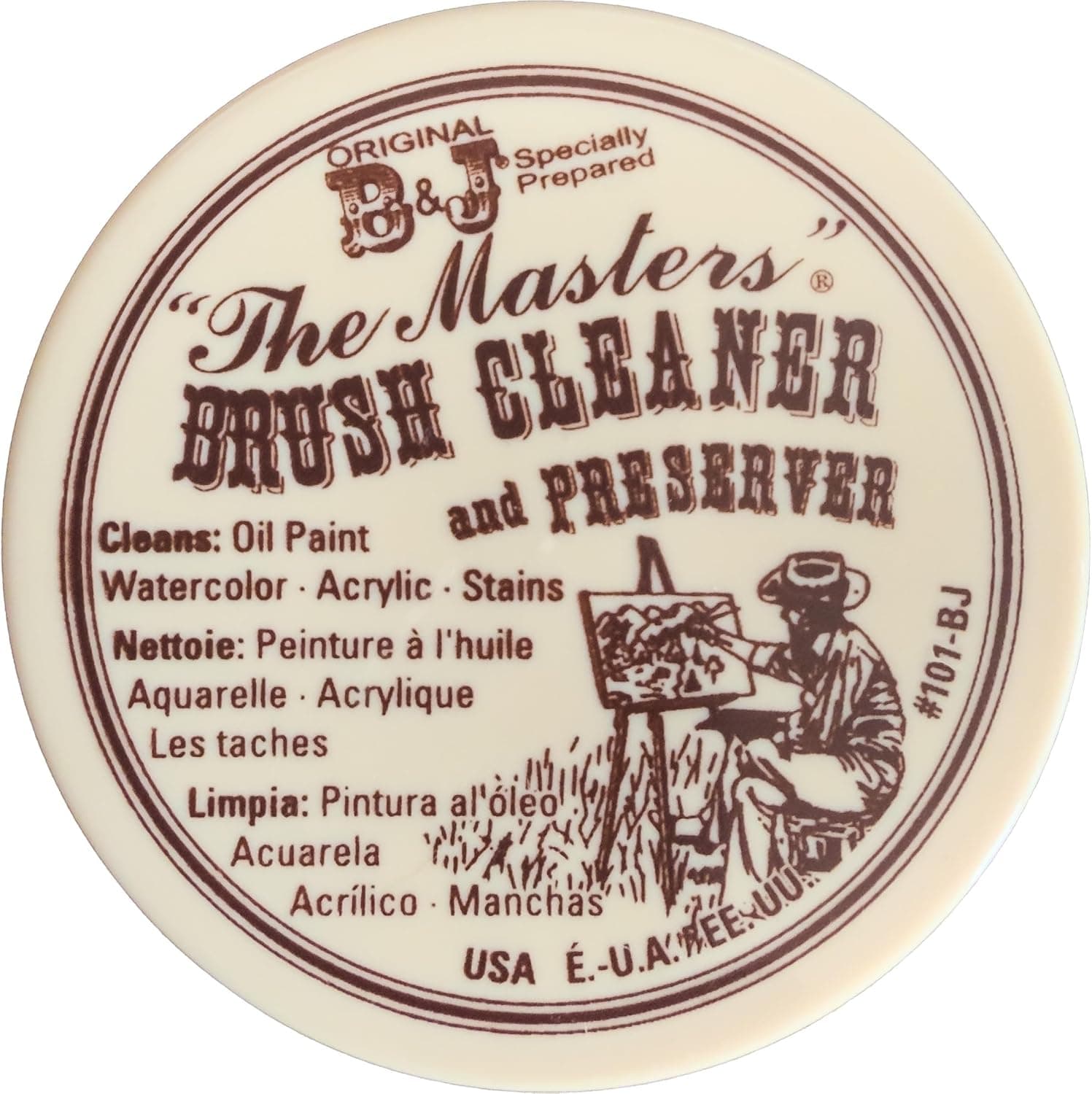
Brush care habits that prevent hooked tips and splayed bristles: rinse discipline, soap conditioning, storage, what kills brushes, and when to retire one.
Getting Started with an Airbrush for Miniatures
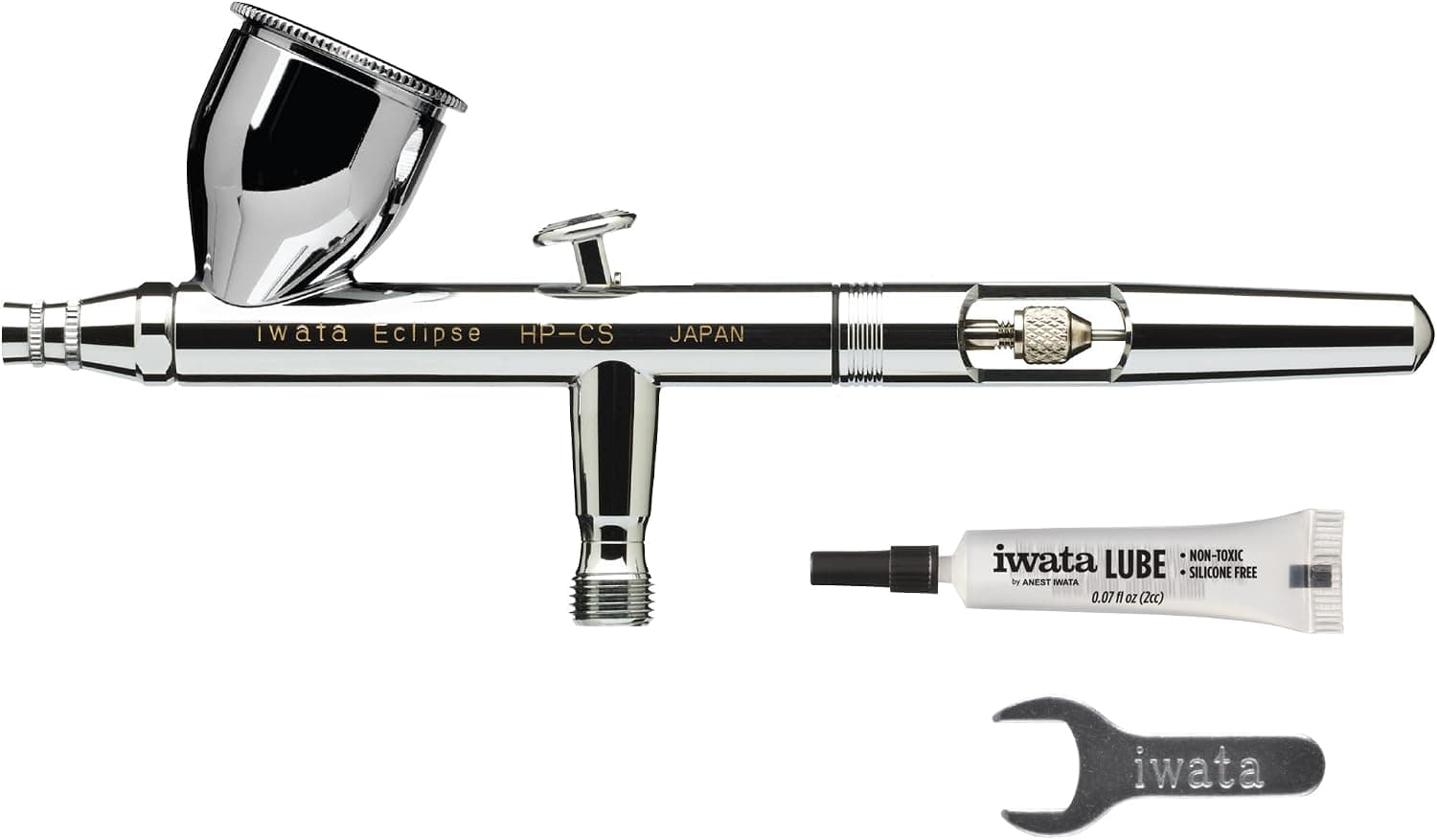
What an airbrush actually buys you, choosing a starter brush and compressor, paint thinning for spray, cleaning routines, and first exercises that pay off.
Zenithal Priming
Zenithal priming step by step: prime dark, spray a lighter tone from 45 degrees above, then white from overhead. Rattle can, airbrush and drybrush methods.
Batch Painting Armies Without Losing Your Mind
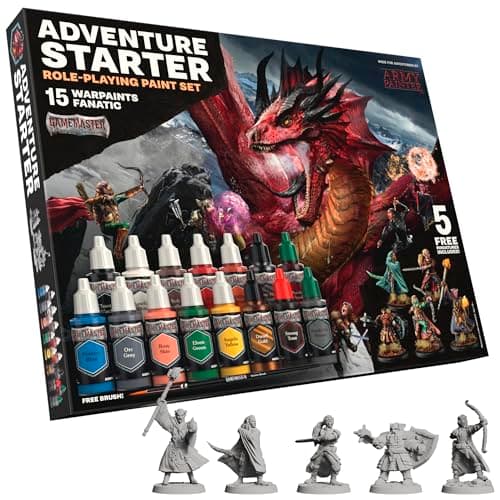
Batch painting gets whole armies done through assembly-line methods. Batch sizes, color-by-color workflow, avoiding burnout, and keeping quality consistent.
Basing Your Miniatures
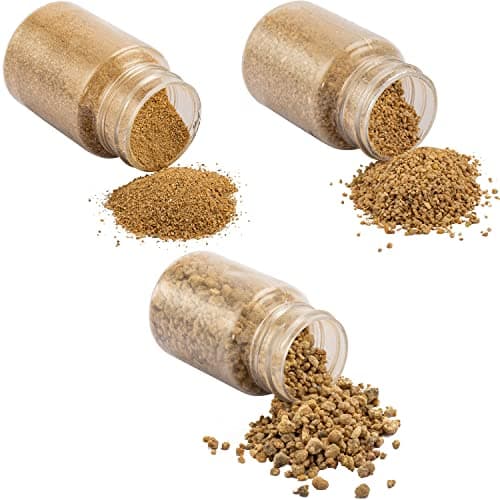
A finished base makes any paint job look better. Sand and texture pastes, paint and drybrush steps, tufts and foliage, rims, and theming an army's bases.
Painting Miniature Faces
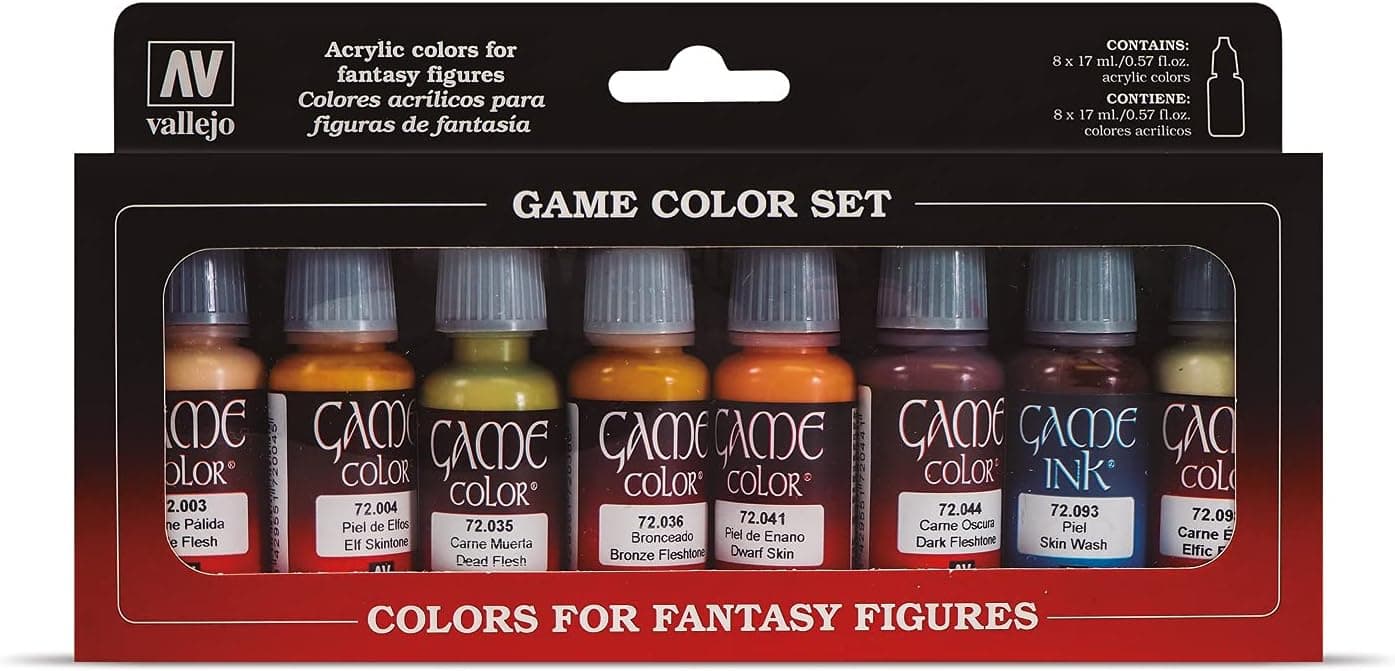
Faces draw the eye first on any miniature. Base tones, washes, structured highlights, simple eye techniques, and rescuing mistakes without repainting.
Edge Highlighting
Edge highlighting traces bright lines along corners to simulate reflected light. Brush control, paint consistency, color choices, and fixing shaky lines.
Contrast and Speed Paints
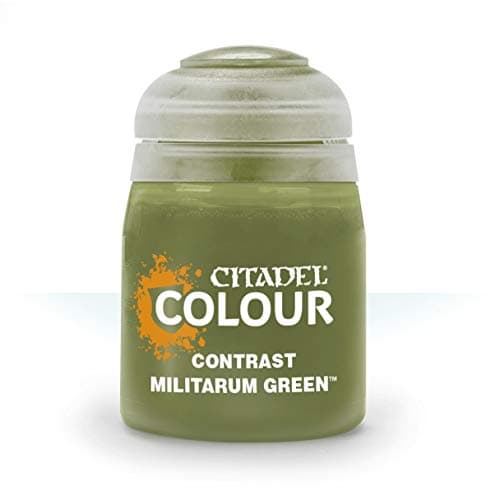
Contrast and speed paints shade and highlight in a single coat. How they work, priming for them, controlling pooling, and mixing them with classic methods.
Washes and Shades Explained
What a wash is and how to use one on miniatures: all-over vs targeted recess shading, how much to load on the brush, drying control and which wash colors to pick.
Drybrushing Technique: How to Drybrush Miniatures
Drybrushing catches raised detail with almost no paint on the brush. Learn brush choice, paint loading, stroke direction, and how to avoid chalky results.
Layering vs Blending
Layering builds highlights in steps; blending melts them together. How each technique works, when to use which, and how to progress from one to the other.
Priming Miniatures
How to prime miniatures: spray light passes from 20 to 25cm, when to brush on or airbrush, black vs grey vs white primer, and how to avoid a fuzzy coat.
Miniature Painting for Beginners
A practical walkthrough of your first painted miniature: the minimal kit you need, prep and priming, base coats, washes, and how to finish without frustration.