Setting Up a Miniature Painting Workspace That Works
Published How we research
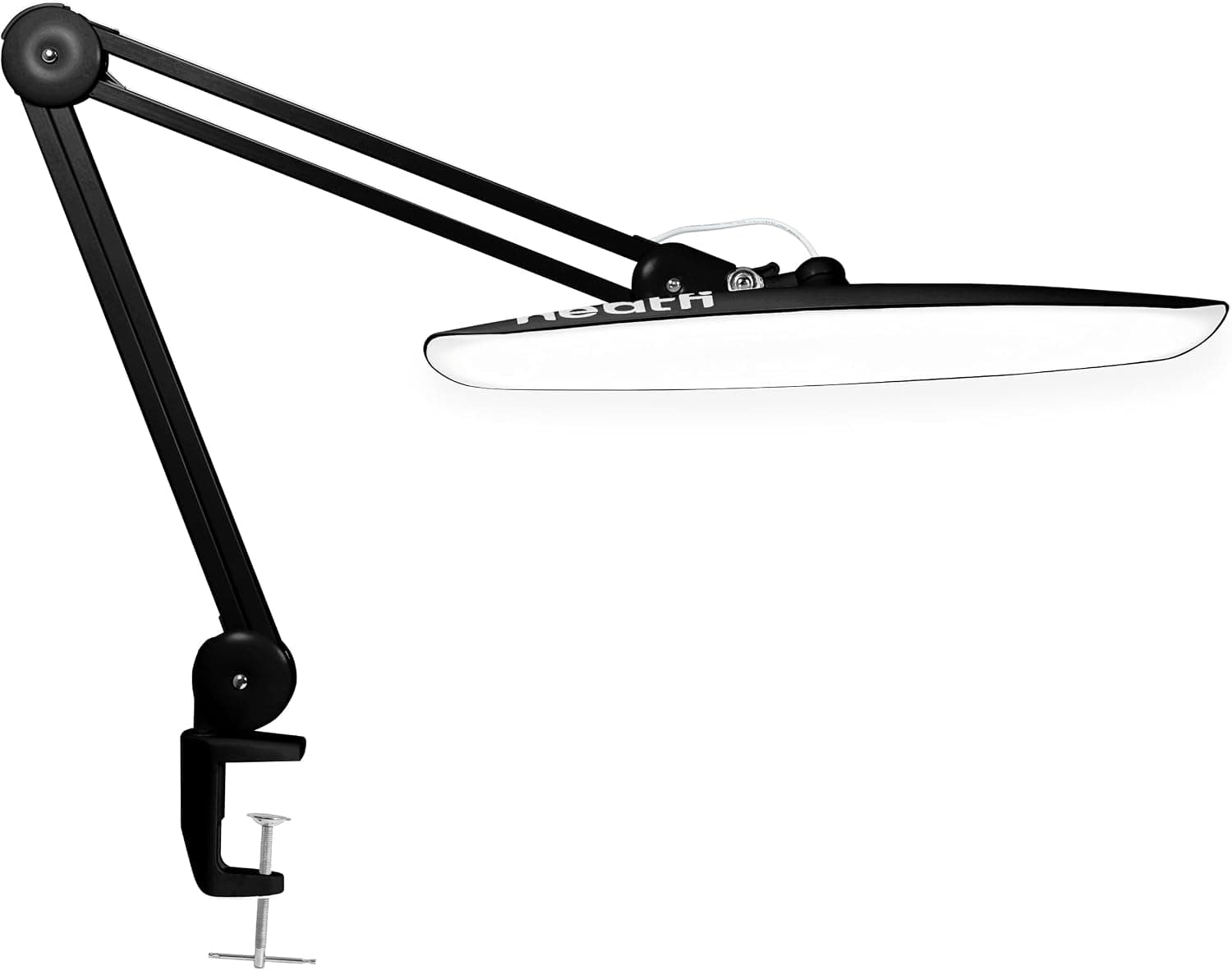
A good painting workspace is not a luxury studio; it is any arrangement that lets you sit down, start within a minute, see colors accurately, and stop without a teardown. Those four properties, immediacy, comfort, visibility, and persistence, predict how much painting actually happens far better than the quality of your paints. Most hobby slumps trace back to a workspace with friction in it, and most workspace fixes cost very little.
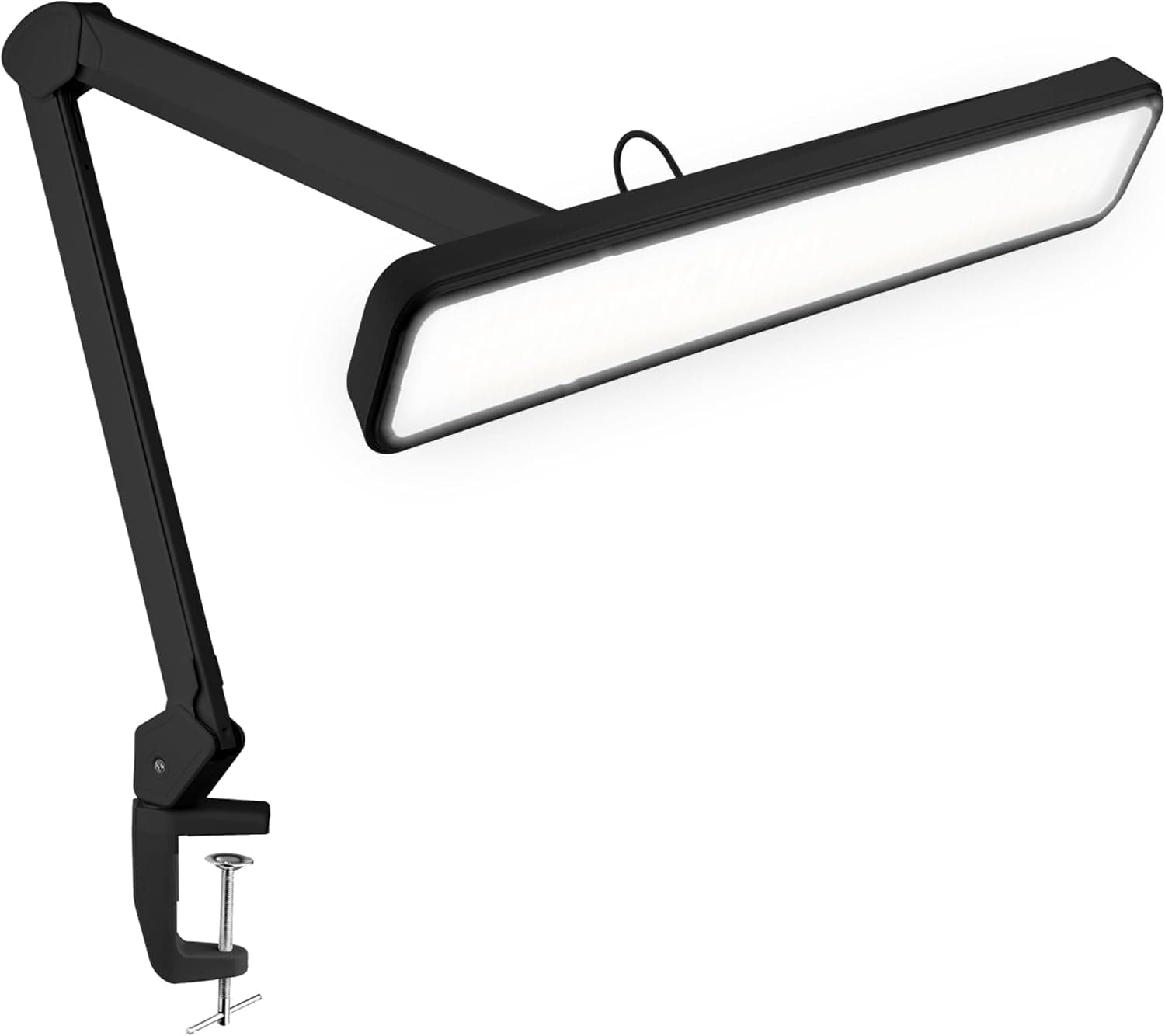
Lighting deserves the first money you spend. Paint mixed under a warm dim bulb looks wrong in daylight, and shadows from a single lamp hide the surface you are working on. Aim for a bright desk lamp with a daylight color temperature, positioned to light your work from the front and slightly above, ideally paired with a second light source to kill shadows from your painting hand. High color-accuracy bulbs are worth seeking out. The difference is not subtle; painters upgrading their lighting routinely describe it as better than upgrading their brushes.
Comfort keeps sessions long and hands steady. A chair at the right height, a desk that lets your forearms rest, and the model held at eye level rather than down in your lap prevent the hunched posture that ends sessions early and eventually causes real pain. Brace your painting hand against your holding hand, and raise the work by holding models on corks or painting handles. Take the occasional break to unclench; shaky lines late in a session are usually fatigue, not lack of talent.
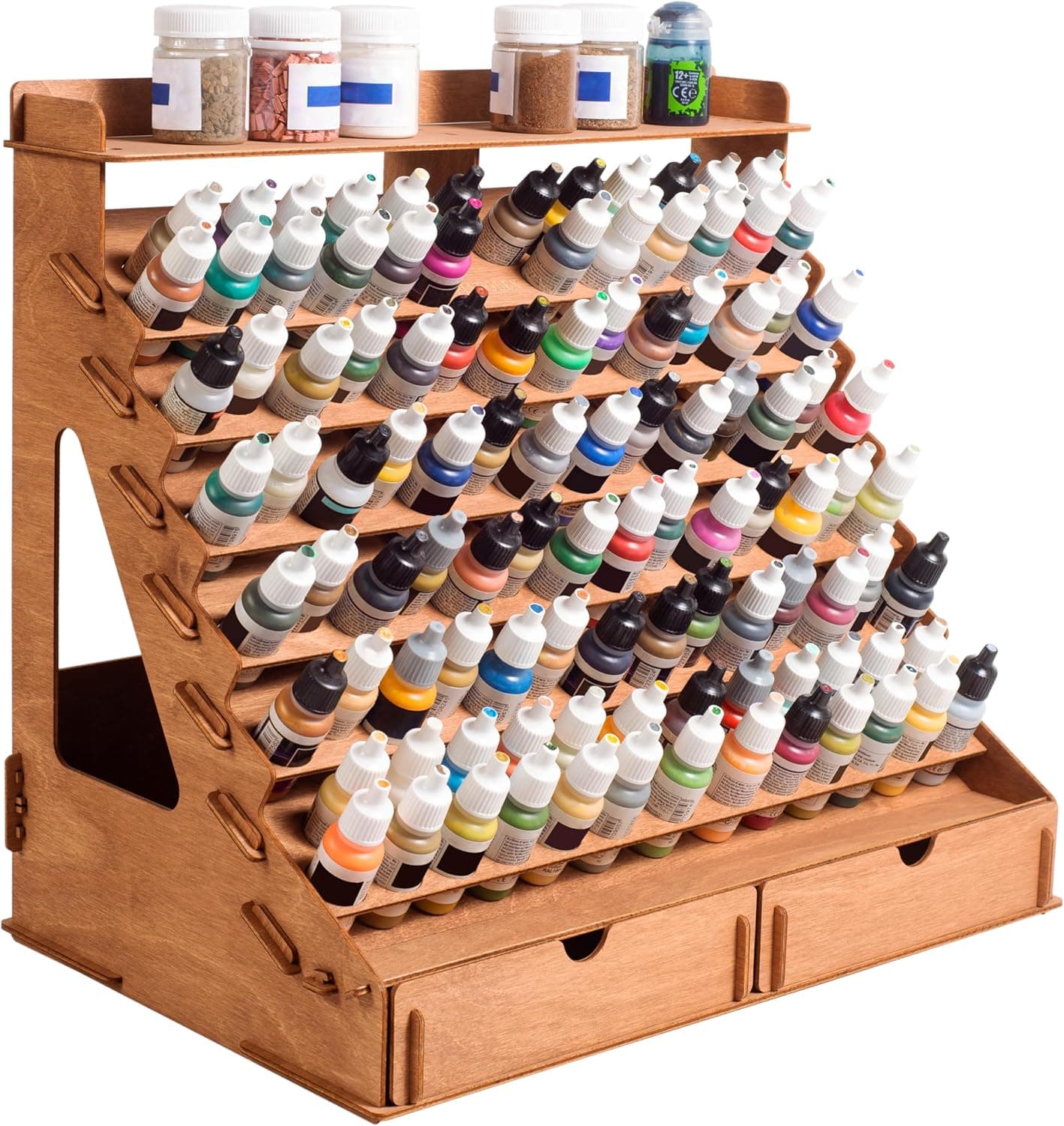
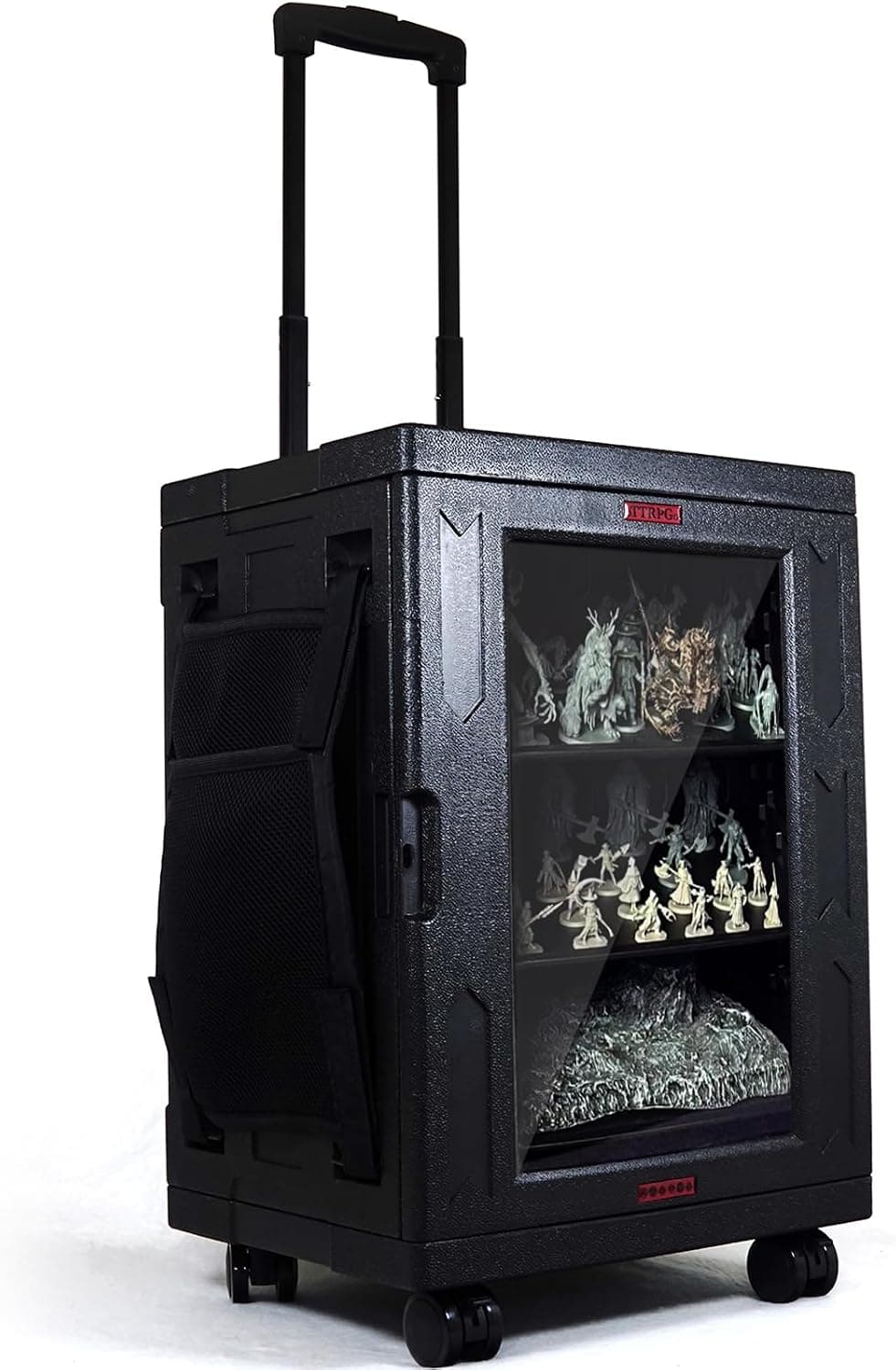
Organization is about start-up cost. If beginning a session requires clearing a dining table and excavating supplies, sessions will not begin. Whatever your space, engineer persistence: a dedicated desk if you have a room, a rolling cart or a lidded tray if you paint on shared surfaces, so the entire hobby moves in one motion. Keep the daily tools, current paints, brushes, water pot, palette, in immediate reach, and archive the rest in labeled drawers or racks. A paint rack sorted by color family saves real minutes every single session.
Ventilation and safety earn a paragraph because sprays and solvents are part of the hobby. Rattle can priming and varnishing belong outdoors or at an open window; airbrushing indoors regularly justifies an extracting spray booth. Superglue, resin dust from sanding, and paint strippers all prefer moving air and gloves. None of this requires paranoia, hobby acrylics themselves are benign, but a workspace plan that includes where the smelly steps happen removes another source of procrastination, especially in winter apartments.
Small-space painters should take heart, since some of the best-organized setups are the smallest. A tray or portable workstation stores the active project mid-progress; a cutlery organizer holds tools; a monitor riser hides paints under the screen; the kitchen table hosts sessions with a two-minute setup and teardown. What matters is protecting the loop of sitting down, painting, and stopping without ceremony. Build whatever version of that your home allows, and the workspace has done its job, because the only metric that counts is how often the brushes come out.
Products from this article
The highest-scoring picks from the buying guides mentioned above. Scores are our editorial assessment, not customer ratings.
+ 20-Inch wide head spreads light evenly across the painting area
From our guide: The Best Hobby Lamps for Miniature Painting
+ 105 holes sized for 17 ml Vallejo style dropper bottles
From our guide: Best Painting Desk Setup for Minis
+ Wheels make moving a heavy army to events much easier
From our guide: The Best Magnetic Storage Solutions for Miniatures
+ 2500 Lumens and 30W output light the desk very brightly
From our guide: The Best Hobby Lamps for Miniature Painting
Popular right now
- Miniature Paint Thinning Ratio ChartArticle
- Priming MiniaturesArticle
- Zenithal PrimingArticle
- Basecoat explainedGlossary
- Washes and Shades ExplainedArticle
- Layering vs BlendingArticle
Based on the last 28 days of search and visitor data.