Non-Metallic Metal
Published How we research
Non-metallic metal, universally shortened to NMM, is the technique of painting metal surfaces using only ordinary matte paints, creating the illusion of shine through placed contrast rather than actual reflective pigment. A sword painted NMM contains no silver paint at all, just greys from near-black to pure white arranged the way reflections arrange themselves on polished steel. It is one of the most admired skills in the hobby, partly because it looks like sorcery and partly because it photographs beautifully, with none of the glare real metallics throw at a camera.
Products from this article
The highest-scoring picks from the buying guides this article links to. Scores are our editorial assessment, not customer ratings.
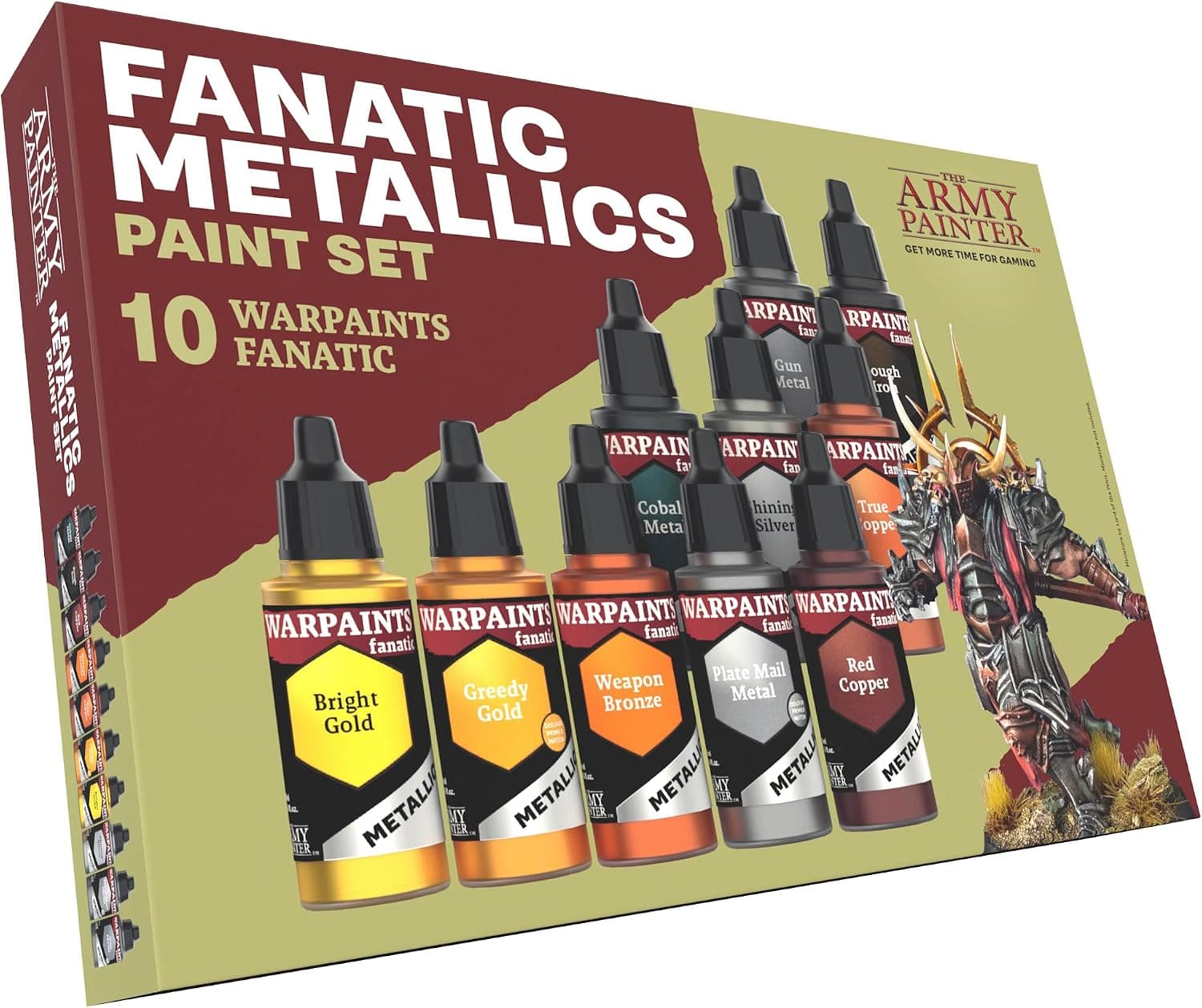
+ 10 metallic tones cover bright steel, dark iron, gold and bronze
From our guide: Best Metallic Paints for Miniatures: Silver, Gold and Beyond
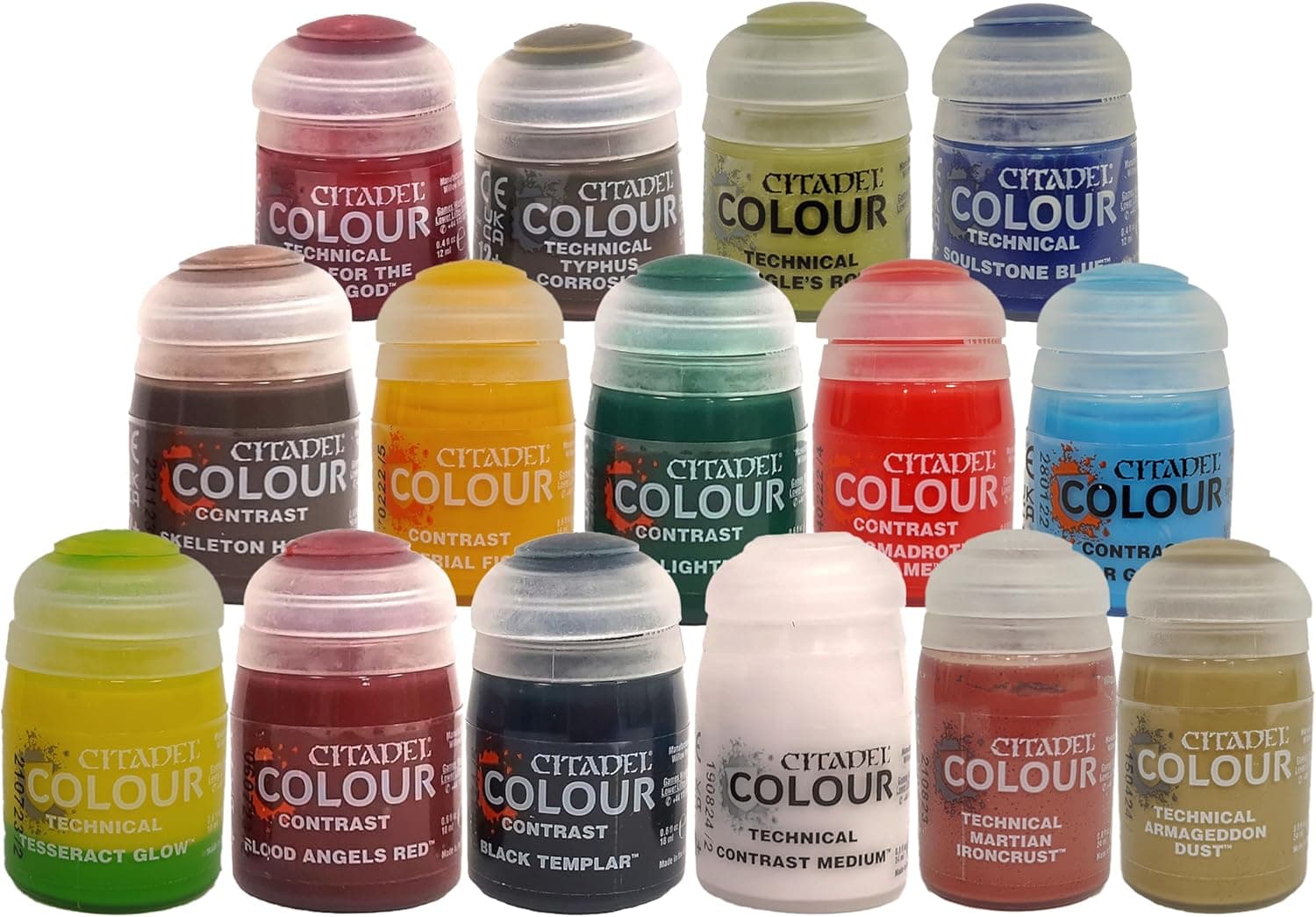
+ Mix of Contrast and Technical paints covers fast bases and texture effects
From our guide: Best Contrast Style Paints for One-Coat Miniature Painting
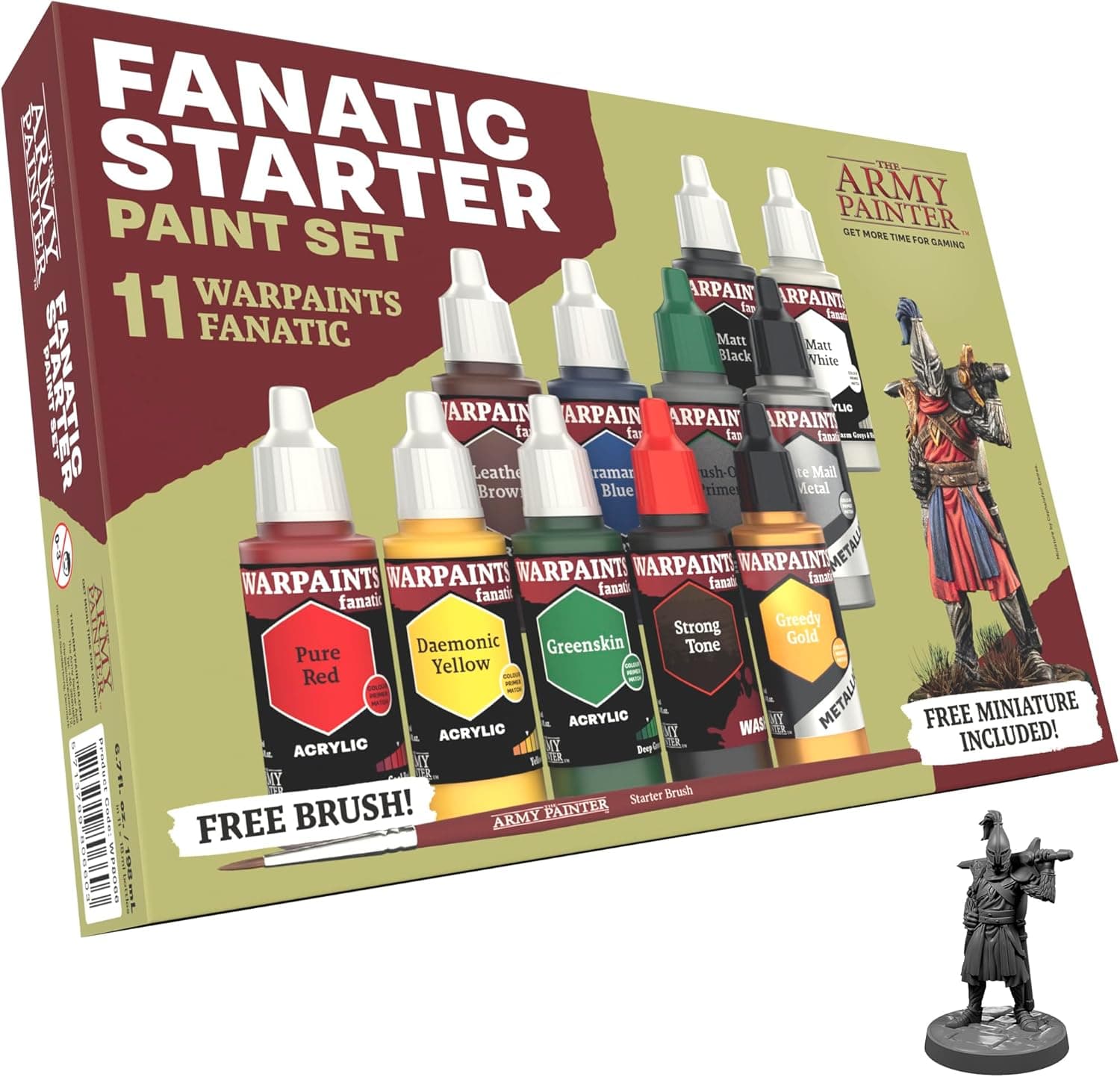
+ Includes primer, wash and metallics, so the full base-shade-highlight workflow is covered
From our guide: Best Starter Gear for Miniature Painting
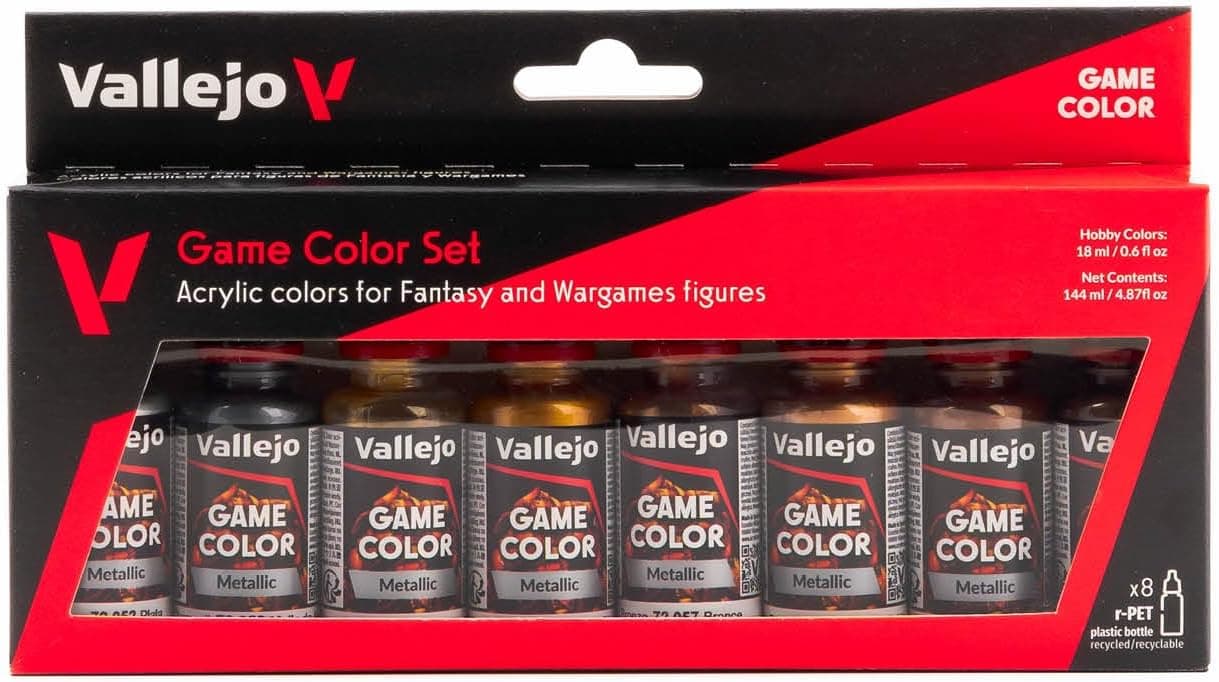
+ Mix of silver, gold and bronze tones covers most metal details
From our guide: Best Metallic Paints for Miniatures: Silver, Gold and Beyond
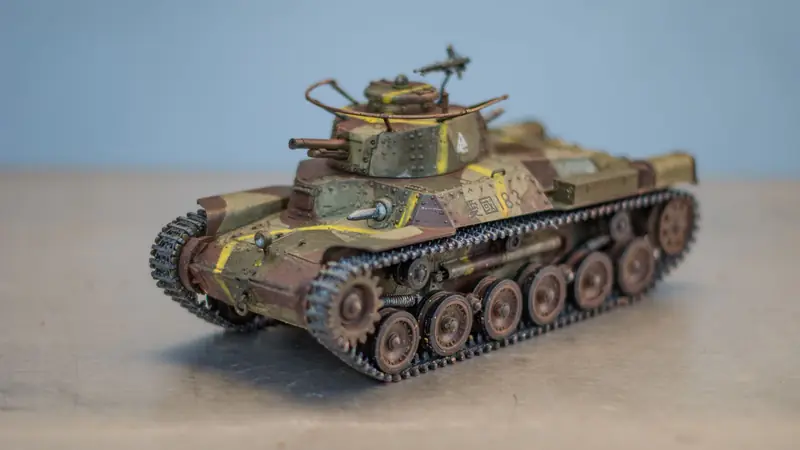
The illusion rests on how metal actually reflects. Matte surfaces spread light evenly, so their shading is gentle. Polished metal mirrors its environment, producing violent contrast: brilliant highlights directly beside deep darks, sharp transitions, and distinct shapes, the horizon line on a blade, the sky-and-ground split on a curved pauldron. NMM copies these signatures with paint. Where a cloth highlight might travel from mid-tone to slightly lighter, an NMM highlight travels from near-black to white within a few millimeters, with edges kept crisp.
Steel comes first for most learners. Build a value ladder from dark blue-grey through mid greys to white, five or so steps. On a blade, commit to a light direction and paint each flat face as a gradient, one side dark to light, the other light to dark, meeting at the central ridge, then place a white line highlight along the edge and a tiny white point where light would bite hardest. Adding a whisper of blue to the mid tones sells the coldness of steel. The contrast will feel excessive on the palette; on the model it will finally read as metal.
Gold is the second lesson and teaches color temperature. A workable gold ladder runs from dark warm brown through orange-brown and yellow ochre up to pale yellow and finally white for the smallest sparkle. The classic errors are underusing the dark end, gold without deep browns looks like butterscotch, and overusing pure yellow, which reads as plastic. A touch of red or purple glazed into the shadows enriches the metal, and tiny cool reflections, a hint of blue-grey, suggest the environment mirrored in the surface.
Placement rules keep the illusion honest. Decide where the light source sits and keep every reflection consistent with it. Horizontal curved surfaces get a horizon: sky-light above, ground-dark below. Deep recesses and undersides go darker than you would ever paint cloth. Sharp edges receive thin, bright, continuous lines; flat planes receive shaped patches of light, not uniform brightness. Study photographs of armor and kitchenware, squinting until the reflections reduce to shapes, and copy shapes rather than rendering what you assume metal looks like.
Be honest about costs and alternatives. NMM is slow, demands smooth blending and confident contrast, and must be repainted if the model's lighting story changes; true metallic paints remain faster and dynamically catch real light as the model turns. Many painters use a hybrid, metallics glazed and shaded with paint to gain NMM-like control, and armies almost always deserve metallics for time reasons alone. Treat NMM as a display skill and a fascinating study of light, learn it on a single sword and a single trim, and let it spread through your painting at its own pace.
Popular right now
- The Best Miniature Carrying Cases for TransportBuying guide
- Best Texture Paints for Basing MiniaturesBuying guide
- Best Drybrushes for Miniatures and TerrainBuying guide
- The Best Magnifiers for Miniature PaintingBuying guide
- Best Miniature Paint Sets for Tabletop PaintersBuying guide
- Best Speed Paints for Fast Miniature PaintingBuying guide
Based on the last 28 days of search and visitor data.