Painting Miniature Faces
Published How we research
Faces are where viewers look first, which makes them the highest-value real estate on any miniature and the area painters fear most. The good news is that a convincing tabletop face does not require artistic genius; it requires a short, repeatable sequence and the discipline not to overwork things. At normal viewing distance, a face needs believable tone placement, not photographic detail. Get the shadows and highlights in roughly the right zones and the human brain completes the rest.
Products from this article
The highest-scoring picks from the buying guides this article links to. Scores are our editorial assessment, not customer ratings.
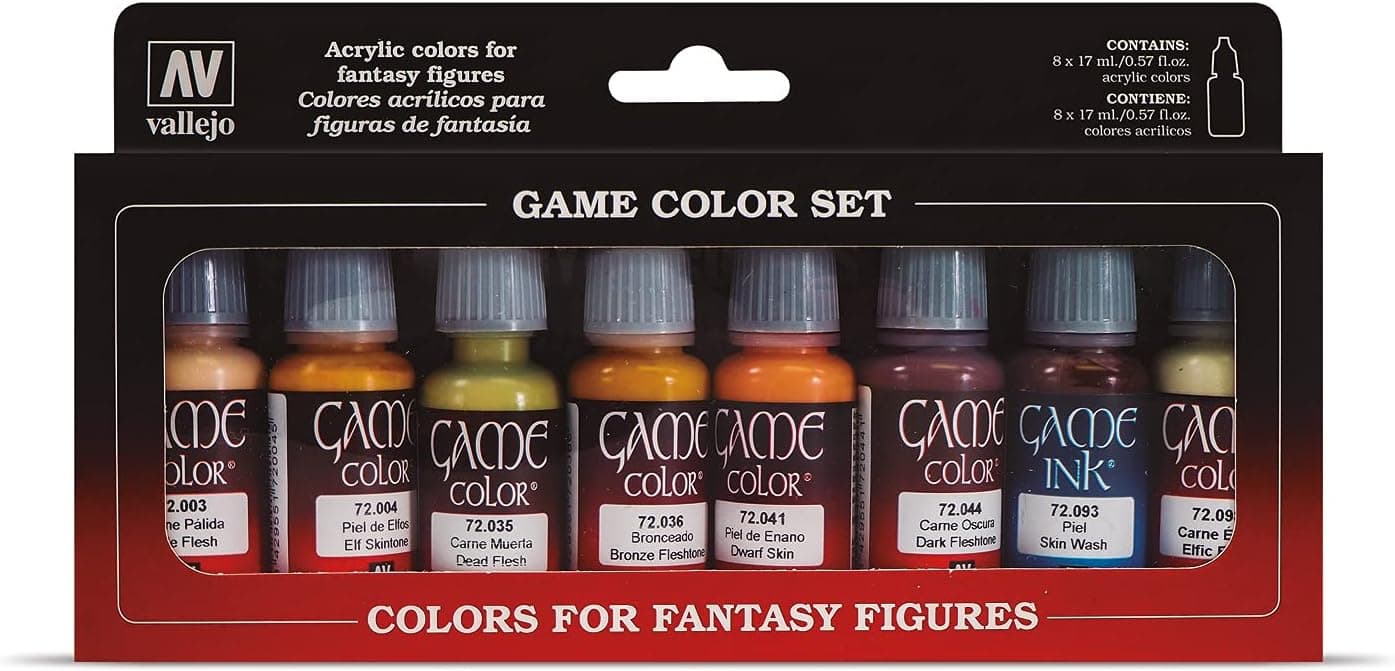
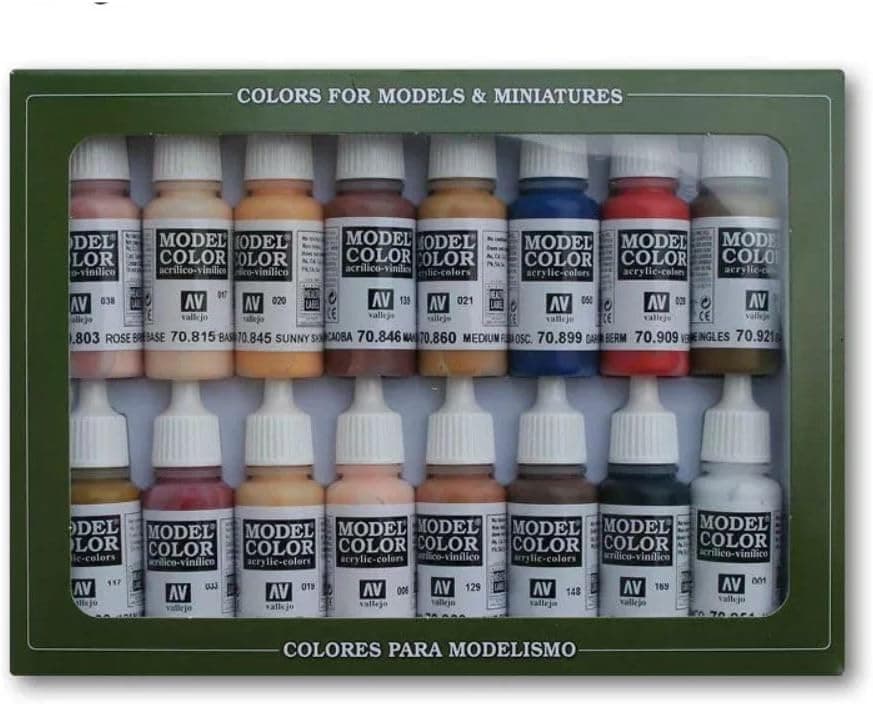
+ 16 bottles cover pale, olive and deep skin tones for diverse figures
From our guide: Best Flesh Tone Paint Sets for Miniature Skin
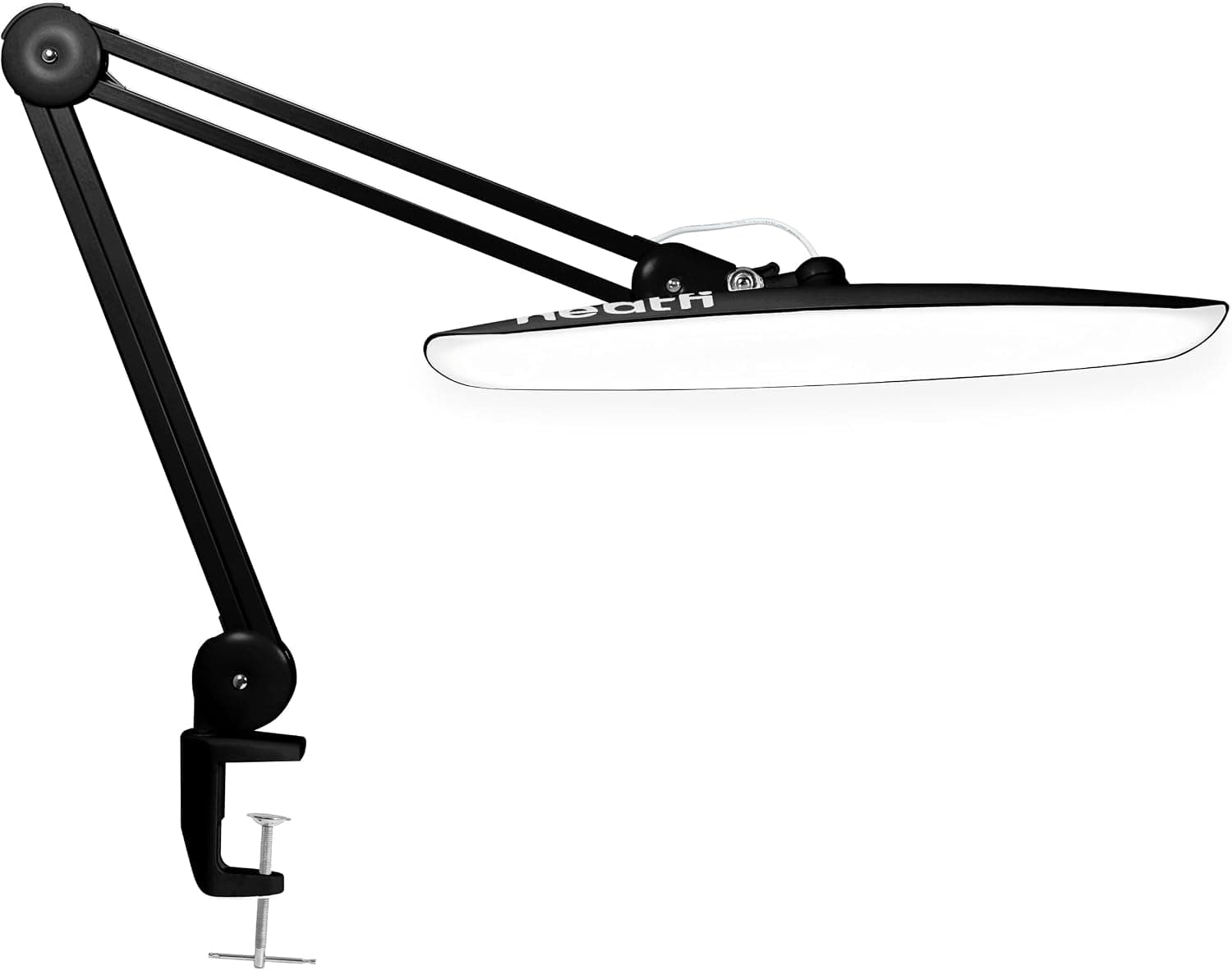
+ 20-Inch wide head spreads light evenly across the painting area
From our guide: The Best Hobby Lamps for Miniature Painting
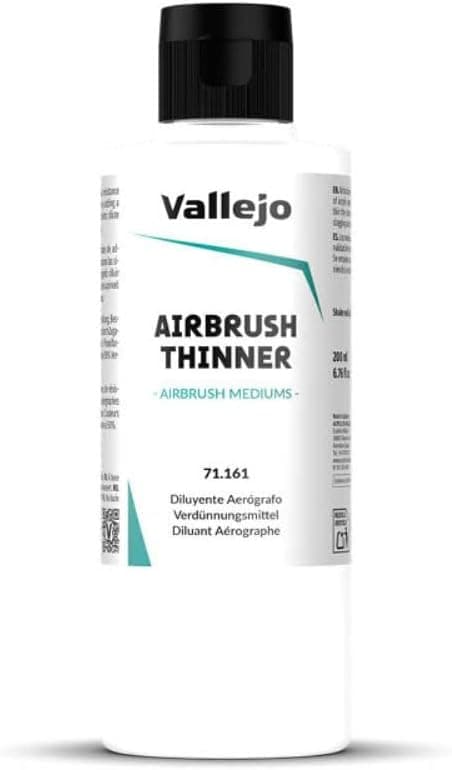
+ Designed to thin Vallejo and similar acrylics without breaking binder
From our guide: Best Airbrush Thinners for Miniature Paints
+ Colors are chosen to step smoothly from shadow to highlight
From our guide: Best Flesh Tone Paint Sets for Miniature Skin
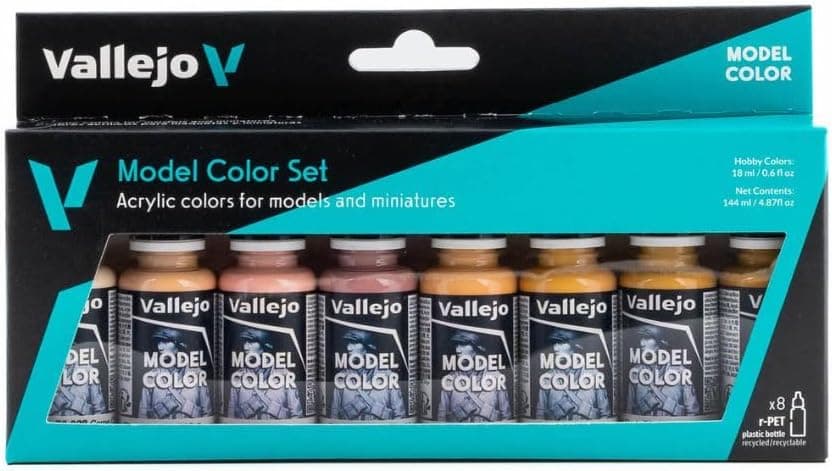
Start with a solid base skin tone over proper priming. Mid-tone flesh colors are more forgiving than pale ones, since they leave room to shade down and highlight up. Two thin coats give an even, matte surface. Then apply a controlled wash, a flesh-toned or light brown shade, either over the whole face for speed or placed into the eye sockets, under the nose, along the mouth line, under the lower lip, and beside the nostrils. Immediately the sculpt appears: the wash finds the anatomy that the sculptor already provided.
Highlighting a face is about zones, not lines. With the base tone lightened slightly, repaint the raised planes: forehead, bridge of the nose, cheekbones, chin, upper lip. Then push a final brighter tone onto the smallest peaks, nose tip, brow ridge, points of the cheeks. Keep mixes thin so transitions stay soft; a face built from three or four tones looks smooth from thirty centimeters away. If transitions look harsh, a thin glaze of the original mid-tone knits them together.
Eyes terrify people out of proportion to their difficulty, and there are honest shortcuts. The classic method: paint the eye socket black or dark brown, place a small horizontal line of off-white, then dot the pupil with black, touching up eyelid shapes with skin tone afterward. The dot does not need to be perfect, just symmetric between both eyes. The shortcut method: a dark recess wash in the socket and no painted eyeball at all, which at gaming distance reads as natural shadow and never as a mistake. Crossed or bulging painted eyes are far worse than none.
Character comes from small temperature shifts. A faint red-brown glaze on cheeks, nose, and ears adds life. Stubble is a thin blue-grey glaze on the jaw. Lips need only a slightly redder skin tone, never lipstick red on male faces. Aging is a matter of deepening the wash in wrinkle lines. Each of these is a single thin glaze taking seconds, and together they turn a painted face into a person. Restraint matters: two or three of these effects per face is plenty.
When a face goes wrong, resist the urge to strip the model. Almost every error is recoverable by reapplying the mid skin tone over the problem area and redoing the last step with thinner paint. If an eye smears, paint the eyelid skin color over it and try once more; if it fails twice, commit to the shadowed-socket look and move on. Faces reward calm repetition across many models far more than heroic effort on one, so paint every face in the batch and let the average quietly rise.
Popular right now
- The Best Miniature Carrying Cases for TransportBuying guide
- Best Texture Paints for Basing MiniaturesBuying guide
- Best Drybrushes for Miniatures and TerrainBuying guide
- The Best Magnifiers for Miniature PaintingBuying guide
- Best Miniature Paint Sets for Tabletop PaintersBuying guide
- Best Speed Paints for Fast Miniature PaintingBuying guide
Based on the last 28 days of search and visitor data.