How to Fix Frosted and Cloudy Varnish on Miniatures
Published How we research

Spraying varnish over a finished miniature is supposed to protect hours of work, so it is heartbreaking when the model comes out with a white, milky or dusty haze. This frosting effect is common with matte spray varnishes and is usually caused by humidity, temperature, spraying distance or a heavy coat. Sometimes it can be fixed with another varnish coat, and simple habits prevent it in the first place.
Products from this article
The highest-scoring picks from the buying guides this article links to. Scores are our editorial assessment, not customer ratings.
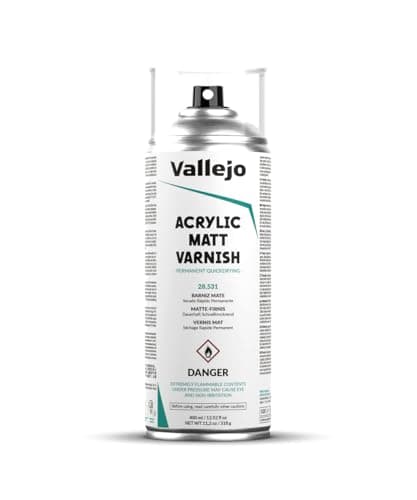
+ Spray application seals whole units quickly and evenly
From our guide: Best Varnish for Miniatures: Matte, Satin and Gloss Sealers
+ Dual exhaust fans move more air for cleaner overspray removal
From our guide: Best Spray Booths for Hobby and Miniature Painting
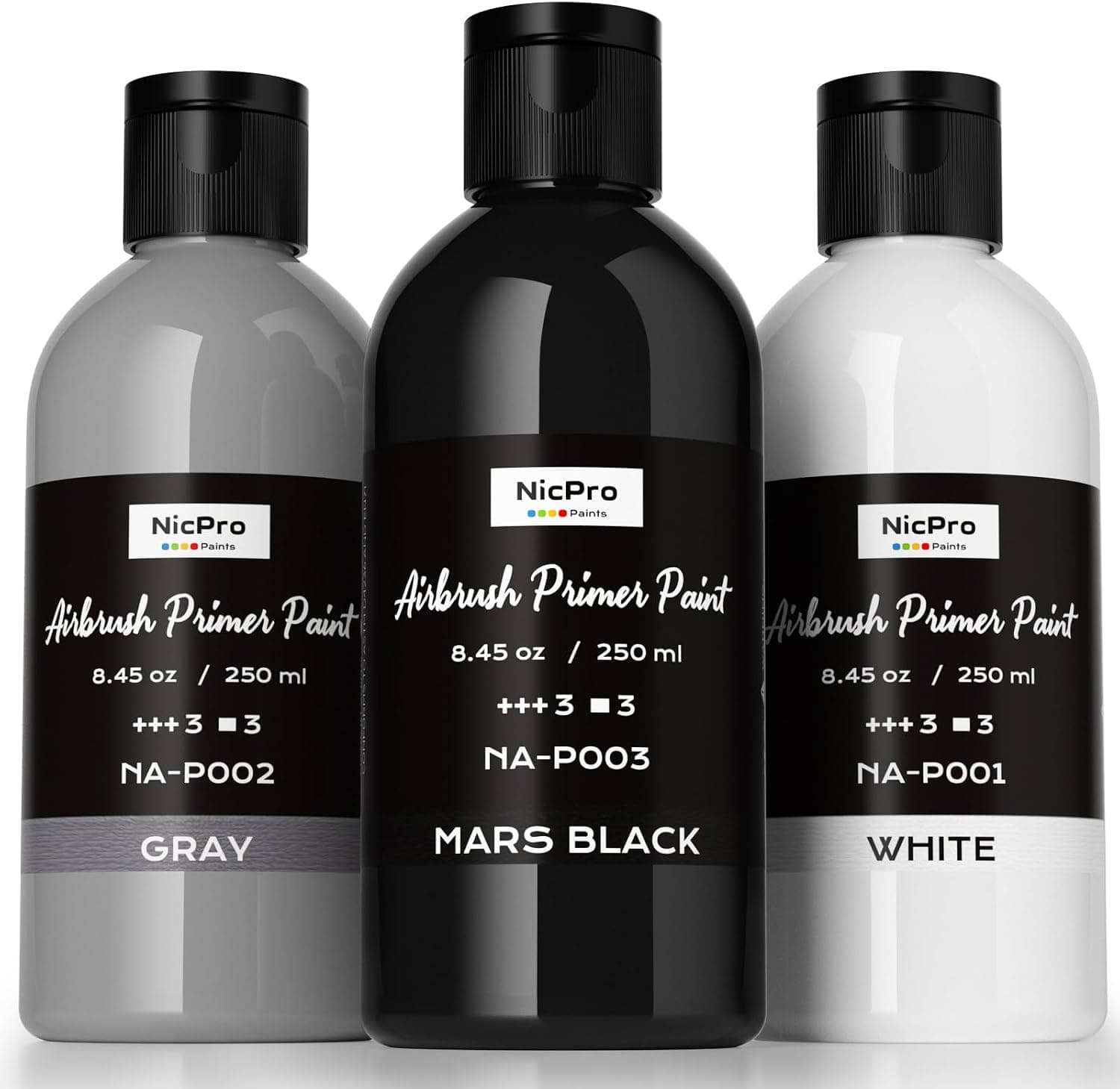
+ Black, gray and white allow zenithal priming in one purchase
From our guide: Best Airbrush Primers for Miniatures
+ Listed as scratch resistant and non-yellowing, with flexible long-lasting protection
From our guide: Best Varnish for Miniatures: Matte, Satin and Gloss Sealers


What causes frosting
Matte varnishes contain matting agents that scatter light to reduce shine. When varnish dries too quickly, too slowly or traps moisture, these particles can cluster and appear white. High humidity is the most common cause, since moisture gets trapped in the drying film.
Spraying from too far away lets droplets partially dry in the air before reaching the model, leaving a dusty surface. Spraying too close or too heavily causes pooling, which can dry cloudy in recesses.
Check the weather and temperature
Spray varnish on dry, mild days, often recommended between roughly 60-80°F (15-27°C) with moderate humidity. Avoid spraying outdoors on damp, rainy or very cold days.
Keep the can and the miniatures at room temperature before spraying. A can stored in a cold garage can sputter and spray unevenly.
Use proper spraying technique
Shake the can thoroughly for the time recommended by the manufacturer, often a minute or more after hearing the mixing ball rattle. Poorly mixed matting agents are more likely to frost.
Hold the can at the recommended distance, commonly around 8-12 inches, and spray in short, sweeping passes that start and end off the model. Apply several light coats rather than one heavy coat, letting each dry.
Try a brush-on varnish
Brush-on varnishes are less affected by weather and give more control on small details. Apply thin coats with a soft brush, avoiding pooling in recesses.
Some painters apply a gloss varnish first for protection, then a thin matte or satin varnish to reduce shine. Gloss varnish is less prone to frosting.
Fix frosted miniatures
Light frosting can sometimes disappear by brushing on a thin coat of gloss varnish or another varnish type in good conditions. The new varnish can re-wet the matting agents and clear the haze.
Test on a less visible area first. Severe frosting may require stripping and repainting, so always test varnish on a spare model or painted test piece before using it on a finished miniature.
Prevent future problems
Test each new can of varnish on scrap models before using it on important projects. Keep notes on weather, distance and brand so you can repeat successful conditions.
Store spray cans at room temperature and in a dry place. Many painters prefer indoor spray booths or brush-on varnish for more consistent results.
Popular right now
- The Best Miniature Carrying Cases for TransportBuying guide
- Best Texture Paints for Basing MiniaturesBuying guide
- Best Drybrushes for Miniatures and TerrainBuying guide
- The Best Magnifiers for Miniature PaintingBuying guide
- Best Miniature Paint Sets for Tabletop PaintersBuying guide
- Best Speed Paints for Fast Miniature PaintingBuying guide
Based on the last 28 days of search and visitor data.