Washes and Shades Explained
Published How we research
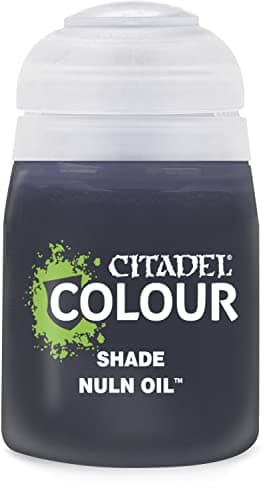
A wash (or shade) is heavily thinned paint with flow additives that runs into a model's recesses and dries dark there while raised surfaces stay near their base colour, adding shadows in one step. Flow it all over textured areas for speed, or place it only in panel lines with a small brush to keep flat colours clean. Carry less on the brush to avoid tide marks, and pick a wash that is a darker, slightly cooler relative of the surface colour rather than pure black. A wash, also sold as a shade, is heavily thinned paint with additives that help it flow into the lowest points of a model and settle there. When it dries, every crevice, panel line, and fold holds darker pigment while raised surfaces stay close to their original color. In one step, a flat base-coated model gains shadows exactly where real shadows would fall. It is the closest thing miniature painting has to a cheat code, and it is usually the second technique any painter learns.
Products from this article
The highest-scoring picks from the buying guides this article links to. Scores are our editorial assessment, not customer ratings.
+ Ten wash tones in one box, and the listing states they are fully mixable for custom shades
From our guide: Best Washes for Miniatures: Shades and Panel Liners Compared
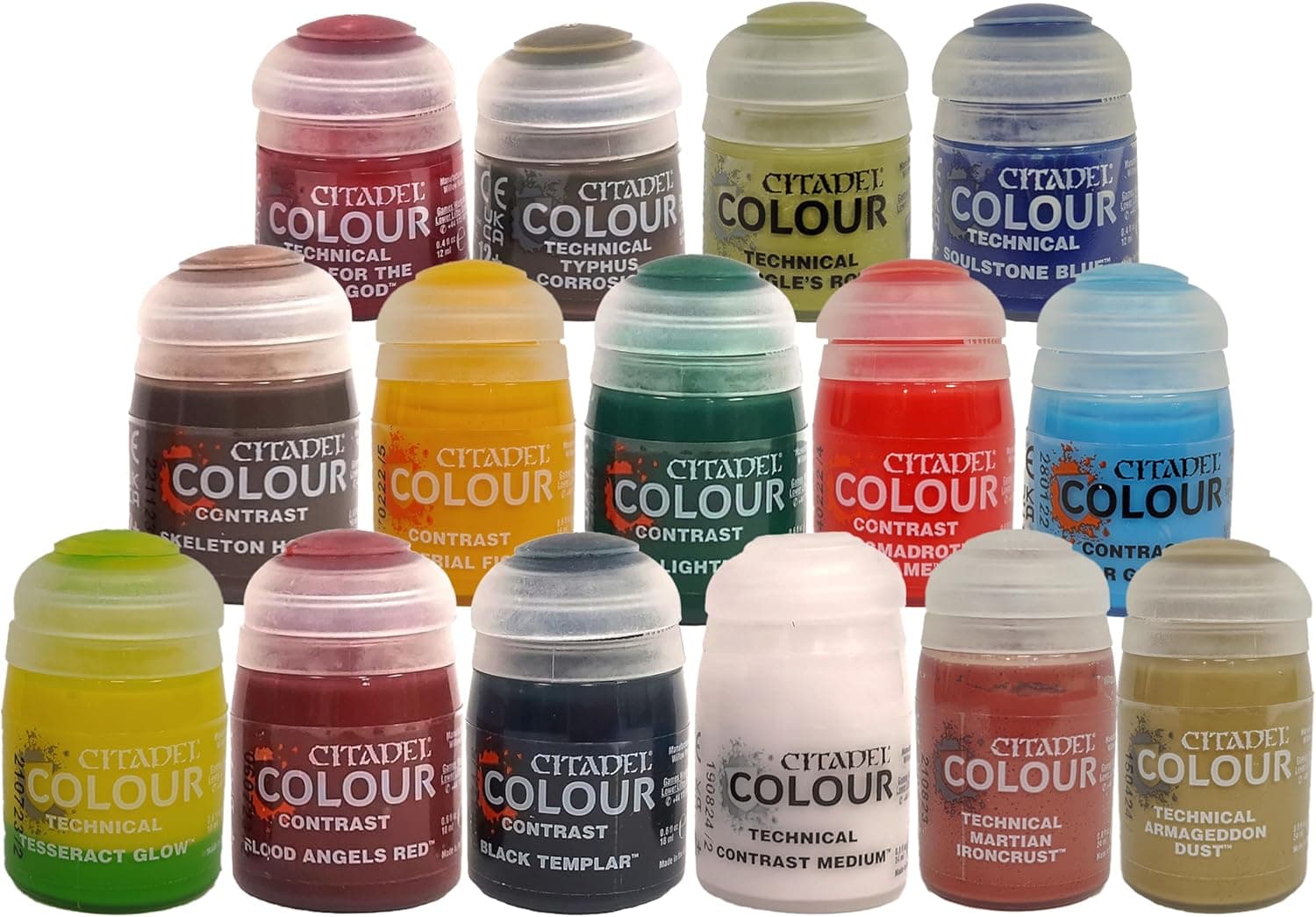
+ Mix of Contrast and Technical paints covers fast bases and texture effects
From our guide: Best Contrast Style Paints for One-Coat Miniature Painting
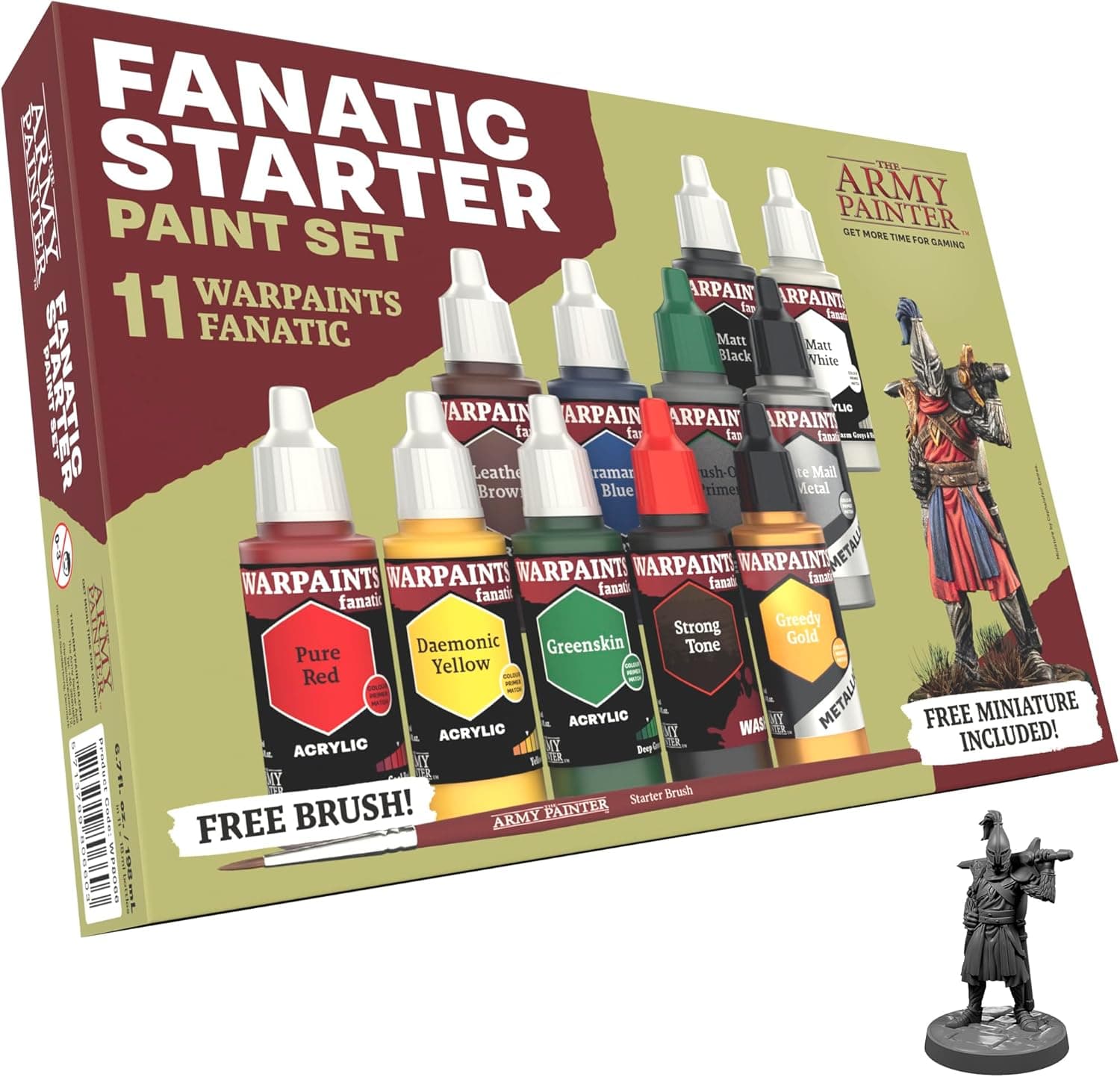
+ Includes primer, wash and metallics, so the full base-shade-highlight workflow is covered
From our guide: Best Miniature Paint Sets for Tabletop Painters
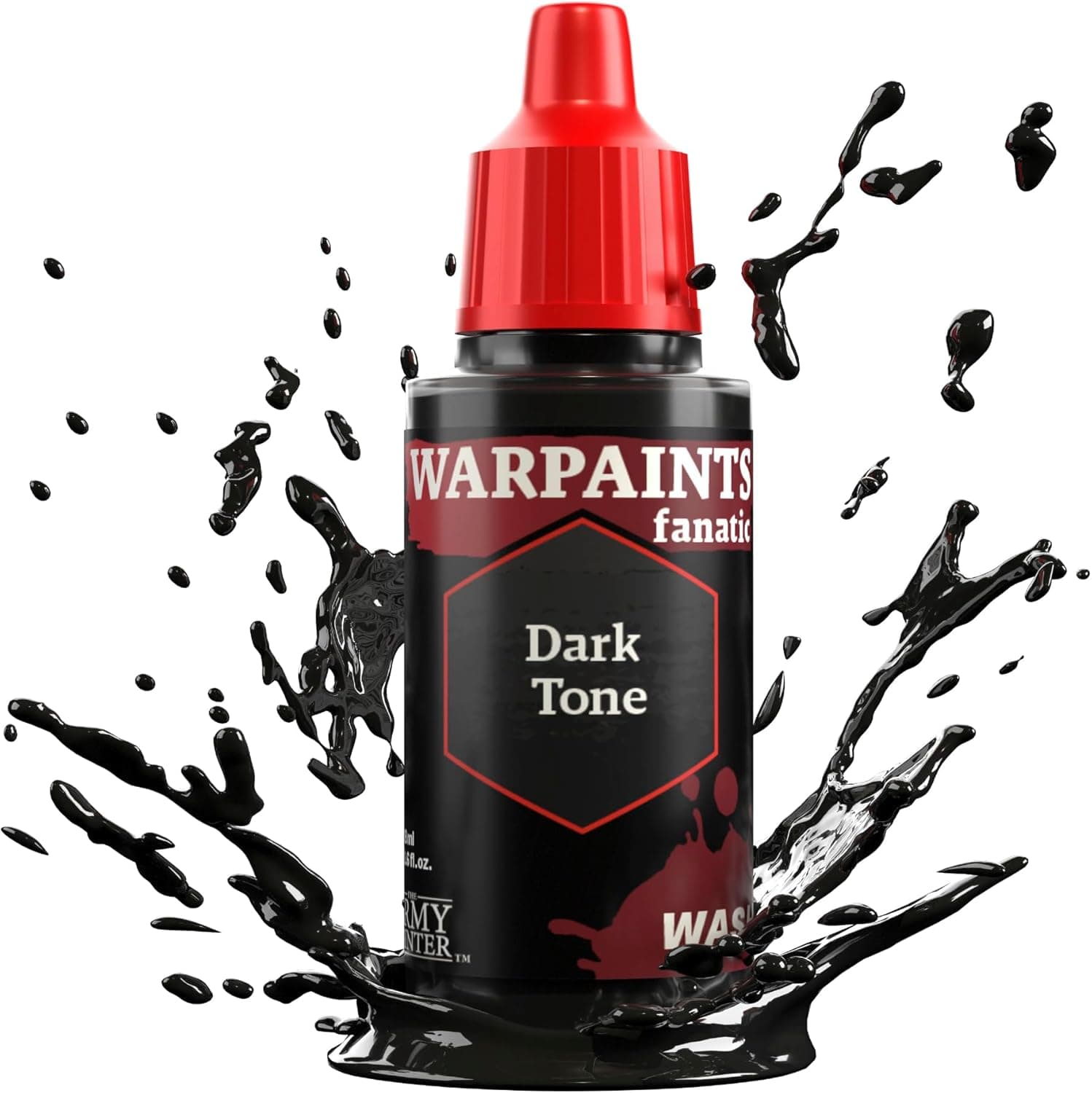
+ Fanatic formula dries more matte and even than older Quickshade
From our guide: Best Washes for Miniatures: Shades and Panel Liners Compared

Why commercial washes are worth it
Commercial washes are worth their price because the formulation does real work. They contain flow improvers that reduce surface tension and mediums that keep the pigment from drying in blotches. You can mix your own from paint, water, and a drop of dish soap or acrylic medium, and many painters do for custom colors, but starting with a bottled brown and a bottled black teaches you what good behavior looks like before you try to imitate it.
The all-over wash
The simplest application is the all-over wash: load a medium brush generously and flow the wash across the entire model, letting gravity and capillary action carry it into the recesses. This is fast and dramatically effective on textured models, but it also darkens and slightly dulls the flat surfaces. That is fine for grim, gritty schemes and for gaming models where speed matters. Plan for it by base coating a shade or two brighter than your target color, knowing the wash will pull everything down.
The targeted recess wash
The refined alternative is the targeted or recess wash: using a smaller brush, you place wash only into the lines and crevices, leaving flat surfaces untouched. Capillary action is your ally; touch the loaded brush to a panel line and the wash runs along it by itself. This takes longer but keeps colors clean and bright, and it is the standard approach for vehicles, armor plates, and any scheme built on crisp, saturated colors. Many painters combine approaches: all-over wash on fiddly textured areas, recess wash on smooth ones.
Controlling volume and drying
Control comes from managing volume and drying. Big puddles dry into tide marks, rings of concentrated pigment with pale centers. Prevent them by carrying less wash on the brush, wicking excess out of pooling spots with a clean damp brush before it dries, and keeping the model tilted so liquid gathers where you want shadows deepest. If tide marks appear anyway, let everything dry and reapply the base color over the offending flat areas, leaving the wash in the recesses where it belongs.
Choosing wash colours
Color choice elevates the technique. Brown washes suit warm colors, skin, leather, and anything organic. Black suits metallics, cool colors, and mechanical details. Sepia glows over gold, bone, and parchment. Colored washes push further: red into recesses of orange, blue over silver for a cold cast, purple into shadows on pale skin. A useful rule is that shadows look richer when the wash is a darker, slightly cooler relative of the surface color rather than pure black. Keep two or three on the shelf and the whole army benefits.
Frequently asked questions
What is the difference between a wash and a shade? Nothing, they are two names for the same product: heavily thinned paint with flow improvers and mediums that settle pigment into recesses evenly.
Why does my wash leave tide marks? Big puddles dry into rings of concentrated pigment. Carry less wash on the brush, wick excess out of pooling spots with a clean damp brush, and keep the model tilted.
Should I wash the whole model or just the recesses? All-over is fast and great for gritty schemes and gaming models but dulls flat surfaces; recess washing keeps colours clean and bright and suits vehicles and crisp schemes. Many painters combine both.
What colour wash should I use? Brown for warm colours, skin, and leather; black for metallics and cool colours; sepia over gold and bone. Shadows look richer with a darker, cooler version of the base colour than with pure black.
Popular right now
- The Best Miniature Carrying Cases for TransportBuying guide
- Best Texture Paints for Basing MiniaturesBuying guide
- Best Drybrushes for Miniatures and TerrainBuying guide
- The Best Magnifiers for Miniature PaintingBuying guide
- Best Miniature Paint Sets for Tabletop PaintersBuying guide
- Best Speed Paints for Fast Miniature PaintingBuying guide
Based on the last 28 days of search and visitor data.