Wet Palette Benefits
Published How we research
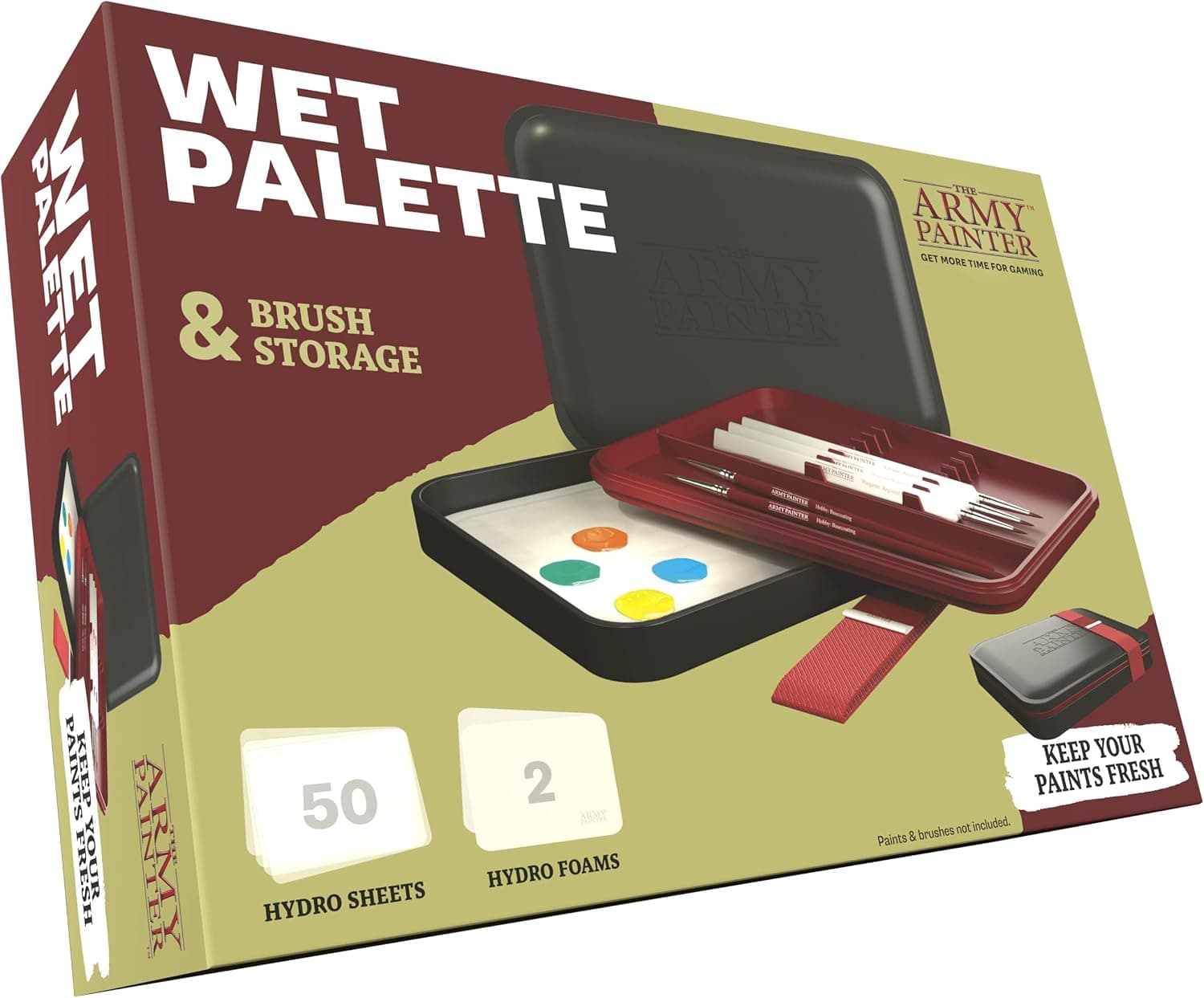
A wet palette is a damp sponge under a sheet of semi-permeable paper that feeds moisture up into your paint from below, holding thinned mixes at working consistency for hours and, lidded, for days. It makes batch painting and multi-session colour consistency far easier and keeps thinned paint stable as you work. Buy one cheaply or build one from a food container, a wet paper towel, and parchment paper. Acrylic paint's greatest strength, fast drying, is also the biggest tax on your painting session. On a dry palette, a puddle of thinned paint begins skinning over in minutes, changing consistency constantly and forcing you to remix the same color again and again. A wet palette fixes this with almost absurd simplicity: a wet sponge under a sheet of semi-permeable paper feeds moisture up into the paint from below, holding it at working consistency for hours, and with a closed lid, for days.
Products from this article
The highest-scoring picks from the buying guides this article links to. Scores are our editorial assessment, not customer ratings.
+ Sealed lid keeps paint wet for days between sessions
From our guide: The Best Wet Palettes for Miniature Painting
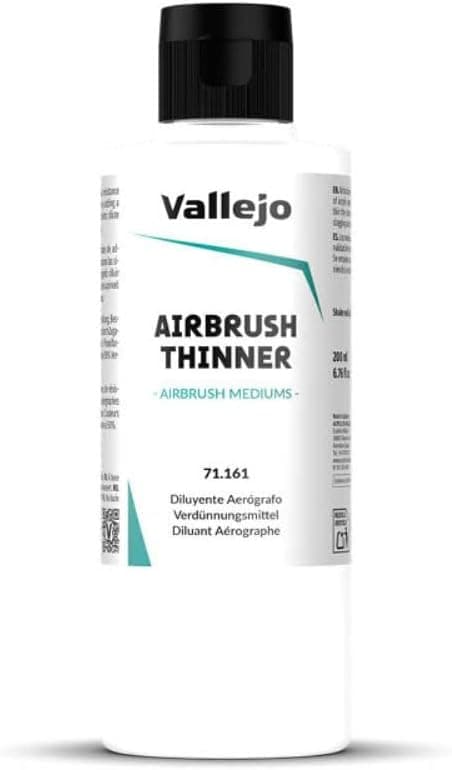
+ Designed to thin Vallejo and similar acrylics without breaking binder
From our guide: Best Airbrush Thinners for Miniature Paints
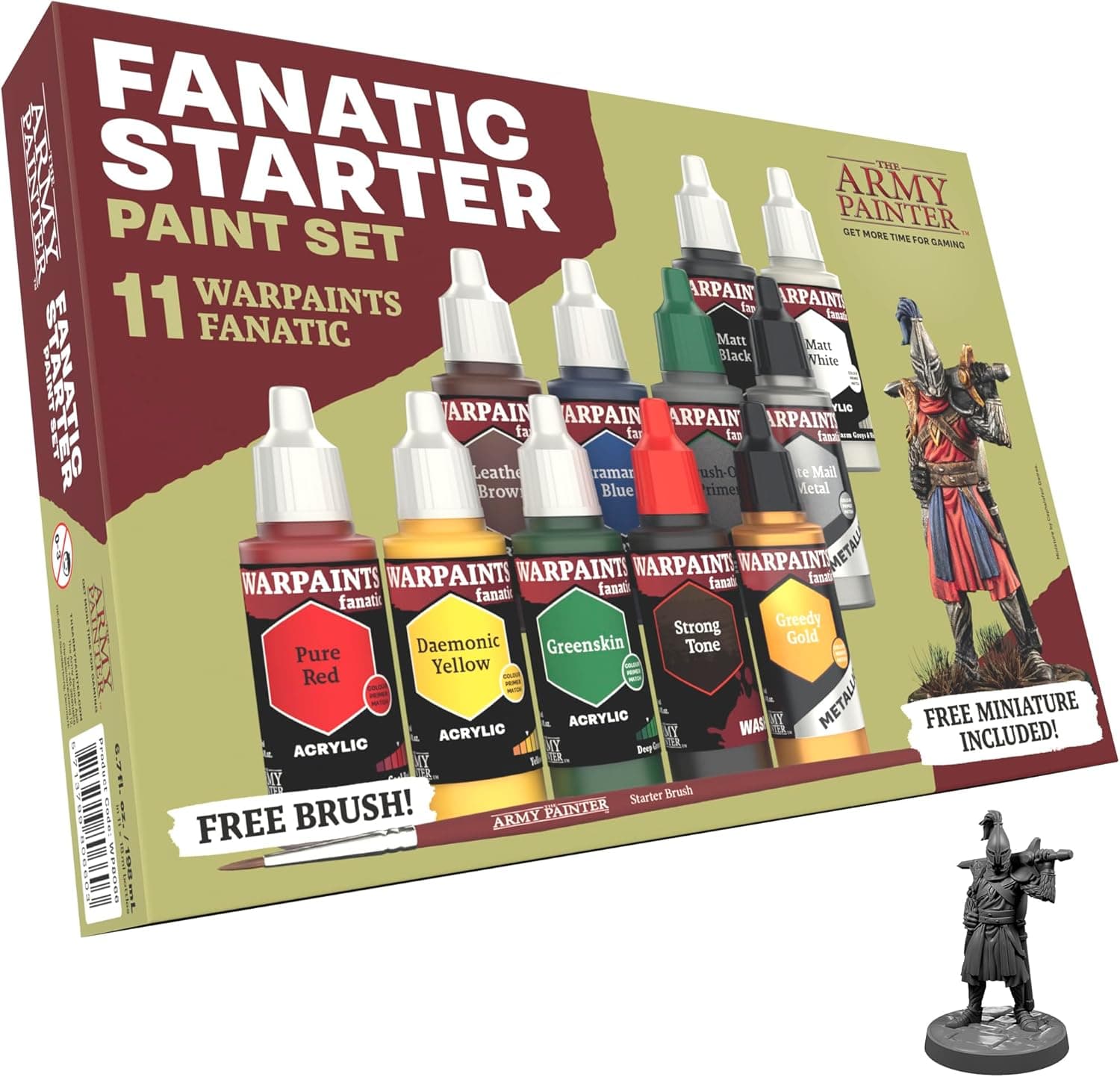
+ Includes primer, wash and metallics, so the full base-shade-highlight workflow is covered
From our guide: Best Starter Gear for Miniature Painting
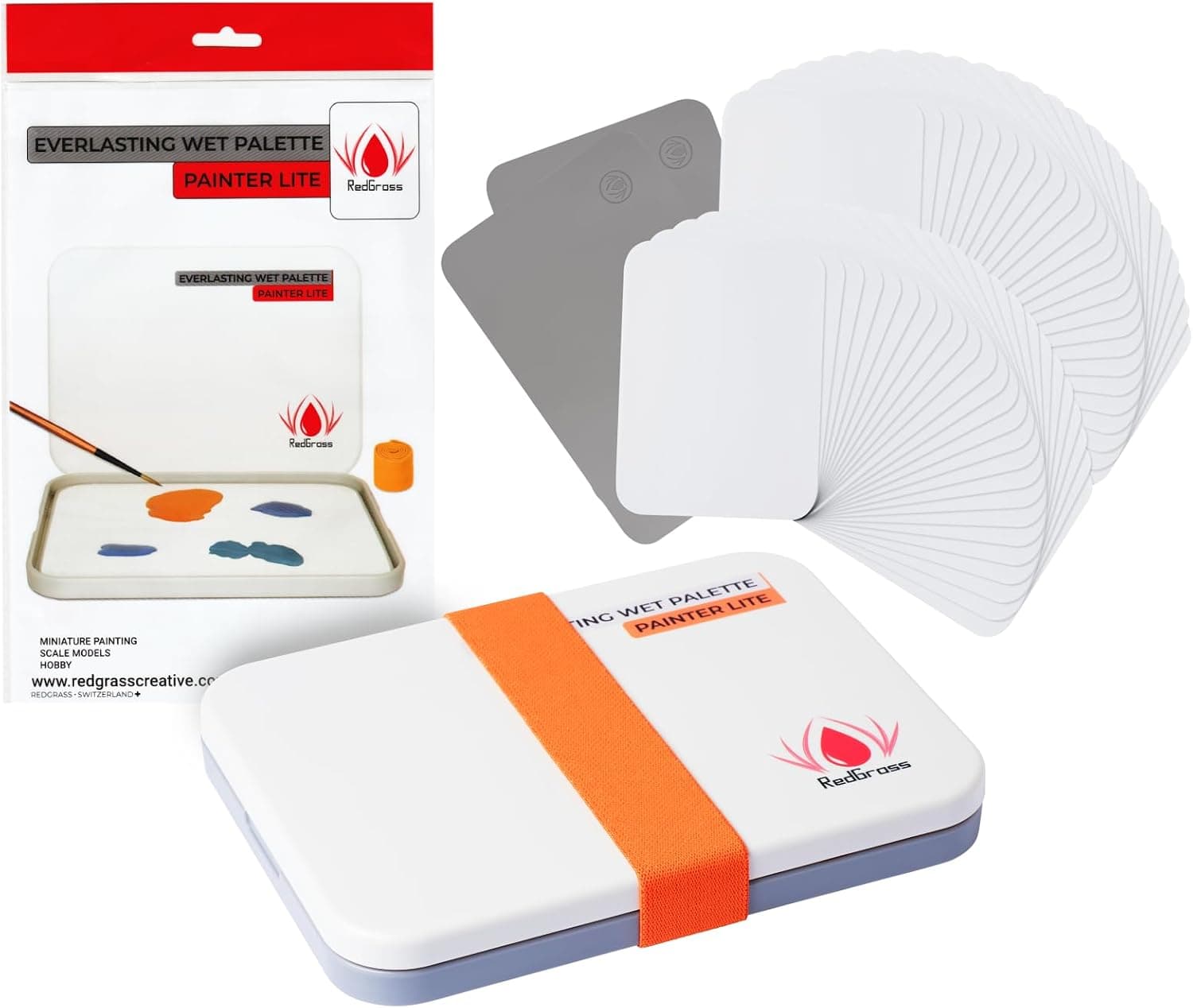
+ 50 hydro sheets supply many sessions before refills are needed
From our guide: The Best Wet Palettes for Miniature Painting
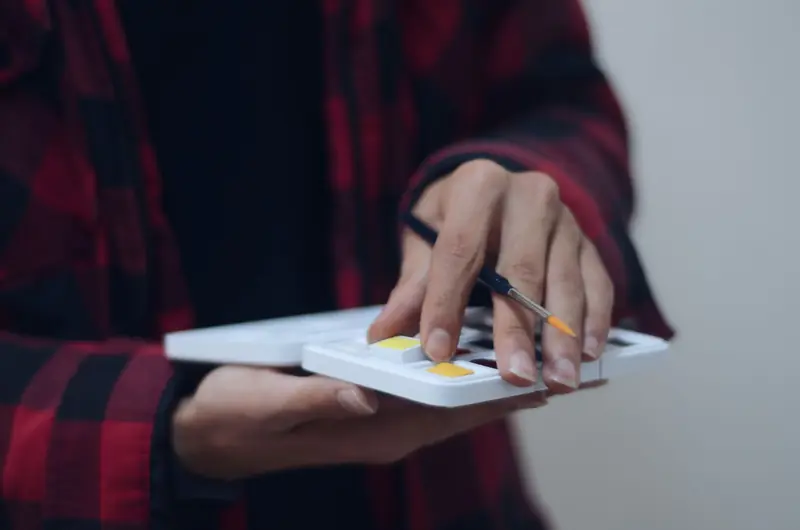
How a wet palette works
The mechanics matter because they explain the setup. The sponge or absorbent layer holds water. The palette paper, which is a treated parchment-like sheet, lets water vapor migrate through slowly without letting the paint soak in or the puddle flood. Your paint sits on top, losing moisture to the air at the same rate it gains moisture from below, and therefore staying stable. Get the paper too permeable, ordinary baking parchment varies by brand, and paint thins into soup overnight; too impermeable and the palette is just a plate.
The workflow benefits
The workflow benefits go beyond keeping paint wet. Mixes survive interruptions: the specific bone color you mixed for twenty models is still there tomorrow, which makes batch painting and multi-session consistency dramatically easier. Colors placed near each other can be pulled together on the palette for instant intermediate tones. Thinned paint stays at the consistency you set rather than drifting thicker as you work, which quietly improves layering and glazing because the tenth stroke behaves like the first.
Buying versus building one
You can buy or build one. Commercial wet palettes offer a good seal, fitted sponges, and reliable paper, and they are not expensive. The homemade version costs pennies: a shallow food container, a folded paper towel or sponge sheet soaked with water, and a sheet of parchment paper laid on top and smoothed down. Homemade papers need a brief soak before use and occasional experimentation across brands. Either route works; the commercial advantage is mostly the consistency of the paper and the quality of the lid seal.
Habits and problems to expect
There are habits worth learning and problems worth expecting. Keep the sponge damp, not flooded; standing water drowns the paint from below. Some paints, metallics especially, separate or over-thin on a wet palette, and many painters keep a dry ceramic tile beside it just for metallics and washes. In warm weather an open palette grows mold eventually, discouraged by a drop of disinfectant in the water or simply changing paper and rinsing regularly. None of these issues outweigh the core benefit, but knowing them prevents early disillusionment.
What a wet palette will not do
A wet palette will not improve your brush control, and it is not mandatory equipment for a beginner's first weeks. But it removes a persistent, invisible source of friction: fighting your own paint as it changes underneath you. Most painters who try one for a single batch-painting session never go back to a dry surface for regular acrylics. As hobby upgrades go, few things this cheap change the daily experience this much.
Frequently asked questions
What does a wet palette do? It keeps thinned acrylic paint at working consistency for hours instead of skinning over in minutes, so mixed colours survive interruptions and stay stable across a batch-painting session.
Can I make a wet palette at home? Yes, for pennies: a shallow food container, a folded wet paper towel or sponge sheet, and a sheet of parchment paper smoothed on top. Homemade papers need a brief soak and some brand experimentation.
Why is my paint turning to soup on the wet palette? The paper is too permeable (some baking parchment is) or the sponge is flooded. Use proper palette paper and keep the sponge damp, not standing in water.
Do metallic paints work on a wet palette? Often not well, they separate or over-thin. Keep a dry ceramic tile beside the palette just for metallics and washes.
Popular right now
- The Best Miniature Carrying Cases for TransportBuying guide
- Best Texture Paints for Basing MiniaturesBuying guide
- Best Drybrushes for Miniatures and TerrainBuying guide
- The Best Magnifiers for Miniature PaintingBuying guide
- Best Miniature Paint Sets for Tabletop PaintersBuying guide
- Best Speed Paints for Fast Miniature PaintingBuying guide
Based on the last 28 days of search and visitor data.