GENERAL'S The Masters Brush Cleaner and Preserver - Non-Toxic - Cleans & Restores Art Paint Brushes - 2.5 oz Review (2026)
Updated September 14, 2026 · Research-based review
Our verdict
General's The Masters brush cleaner suits miniature painters who want one simple product to strip dried acrylic from bristles and reshape brush tips between sessions. The solid cake formula is non-toxic and gentle on natural and synthetic hair, though the 2.5 oz tin needs to dry between uses or it turns soft and messy.
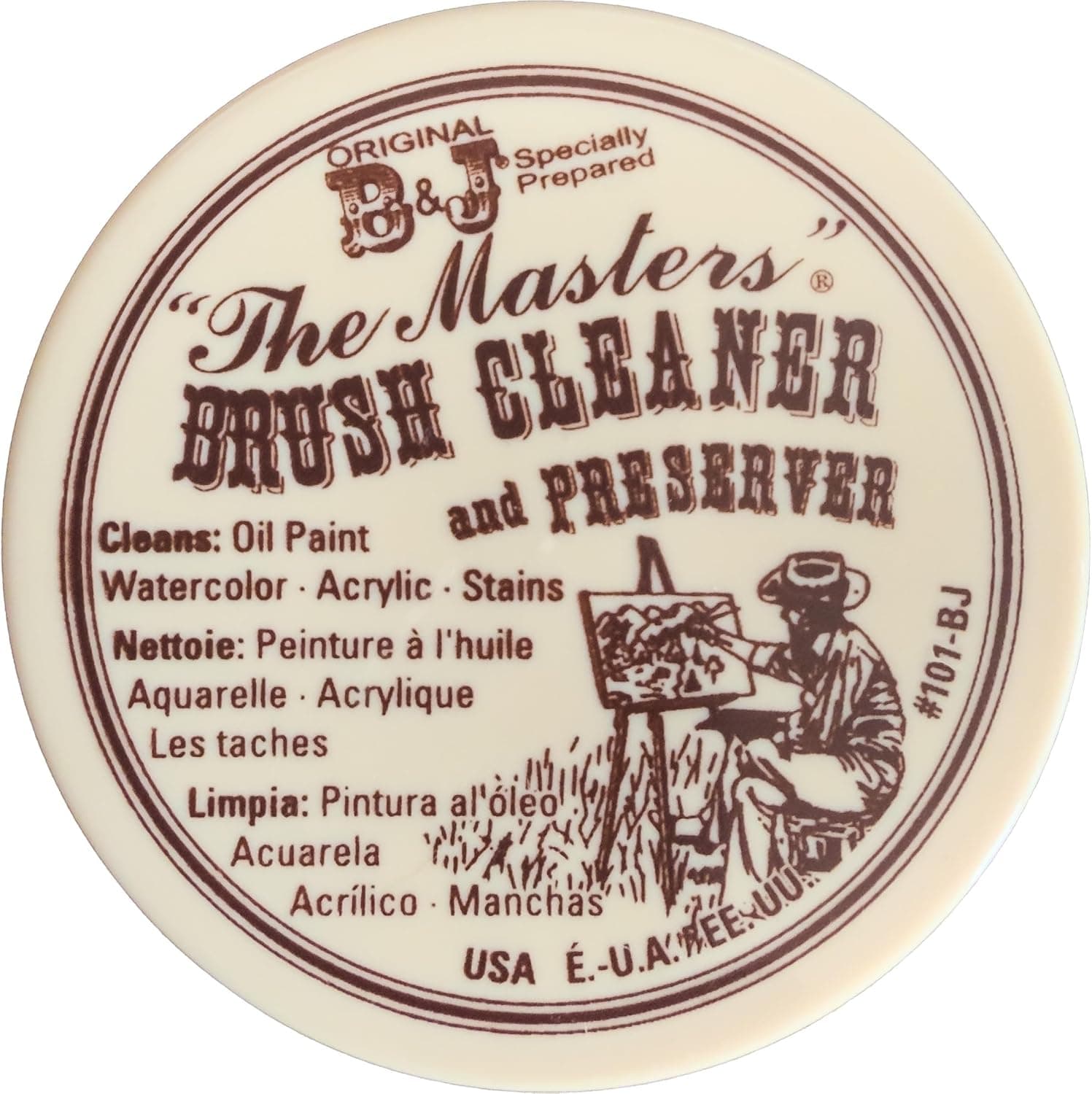
GENERAL'S The Masters brush cleaner and preserver in 2.5 oz, a non-toxic soap that cleans and restores paint brushes.
Price range: See on Amazon
What we liked
- + Cleans dried acrylic from bristles and conditions the hairs
- + Non-toxic formula is safe for everyday home desk use
- + Preserver reshapes tips so detail brushes keep their point
Trade-offs
- - Solid soap tin can get messy without drying between uses
- - Soap residue must be rinsed well before painting again
Why a cake soap belongs at the paint desk
Acrylic paint used for miniatures dries fast, and a brush left too long between sessions can end up with hardened pigment splayed at the ferrule that ruins the fine point a detail brush needs. This cake-form cleaner is built to work that dried paint out of the bristles while also conditioning the hair, which is the combination most miniature painters are actually looking for rather than a cleaner alone. Our score of 8.3 out of 10 in this brush soaps and cleaners guide, the highest of the group, reflects strong fit for the job and value marks. Painters who own a handful of good detail brushes and want to protect that investment are the clearest audience, since routine cleaning extends how long a brush holds a sharp point.
What is in the tin and how it is sized
The product comes as a solid, non-abrasive cake cleanser in a round tin, sold in this listing at 2.5 oz, with General Pencil also offering smaller 0.25 oz and 1 oz sizes and a larger 24 oz tub for studio use. It is formulated to remove oil and acrylic paint along with inks, dyes and general grime from bristles, and the brand markets it as safe for both natural and synthetic hair brushes. General Pencil has made the formula under the Masters name since 1979, and the current product is labeled as made in the USA with domestic and imported materials. Because it is a solid cake rather than a liquid, there is nothing to spill or leak in a paint box or travel kit.
Cleaning and preserving in the same step
The instructions are simple: wet the brush, swirl it against the surface of the cake to work up a lather, then rinse and reshape the bristles back to a point. For brushes going into storage rather than immediate reuse, the preserver function comes from leaving a light lather in the bristles, shaping the tip, and letting it dry, then shaking the dried residue out before the next painting session. That two-in-one behavior means a painter does not need a separate cleaner and conditioner for routine care. The one habit worth building is letting the tin dry out between uses rather than leaving it wet in a closed container, since a soaked cake softens and can turn messy or waste product faster than a quick rinse and air-dry.
How it compares with other brush soaps in the guide
Against the smaller 1 oz version of the same Masters formula, this 2.5 oz size offers noticeably more product for a similar routine, which matters for painters cleaning several brushes after each session rather than one. Compared with liquid pink soap cleaners like the Speedball and Pink Soap products in this guide, the solid cake format skips the risk of a spilled bottle in a tackle box but is slightly less convenient for quickly wetting a lather compared with pumping liquid soap. Against Winsor & Newton's brush cleaner and restorer, ranked lowest in this group, the Masters formula scores higher here on value while covering the same basic job of stripping dried paint and reshaping bristles.
Bottom line for brush care
For painters who want a single, non-toxic product that cleans dried acrylic and conditions bristles in the same step, this cake soap does the job reliably and lasts a long time given how little product a single cleaning uses. It is not the fastest option if a painter is used to a squeeze bottle of liquid soap, and the tin does need to dry between sessions to avoid turning soft and wasteful. Anyone maintaining a set of detail brushes for miniature work will get real value from keeping tips sharp longer, which is the main payoff over skipping brush care entirely. For painters who only own a couple of cheap brushes, a smaller size of the same formula may be the more sensible starting point.
Frequently asked questions
Does this brush cleaner work on acrylic paint specifically?
Yes. It is formulated to remove oil and acrylic paint along with inks, dyes and general grime from brush bristles, which covers the acrylics most miniature painters use.
Is the cleaner safe for synthetic detail brushes?
The brand markets the formula as safe for both natural and synthetic hair brushes and describes it as non-toxic and non-abrasive.
How do I use it to store a brush between sessions?
Work up a light lather in the bristles, shape the tip back to a point, and let it dry. Shake the dried lather out of the bristles before your next painting session.
Why does the tin get messy sometimes?
A solid cake cleaner can soften and turn messy if it stays wet in a closed container between uses, so letting it dry out after each cleaning helps it last longer.
Prices change often, so check the current price and availability on Amazon.
Check price on AmazonMini Paint Lab may earn a commission from the link above.