Milliput Superfine Grain Epoxy Putty, 2-Part Self Hardening White, 4 oz. Review (2026)
Updated September 20, 2026 · Research-based review
Our verdict
A fine-grain epoxy putty for painters who want a smooth, detailed finish rather than the coarser texture of standard modelling putty. The main strength is the superfine grain that sands to a clean surface on visible seams, and the main trade-off is a shorter working time that can let sharp details slump if you work too slowly.
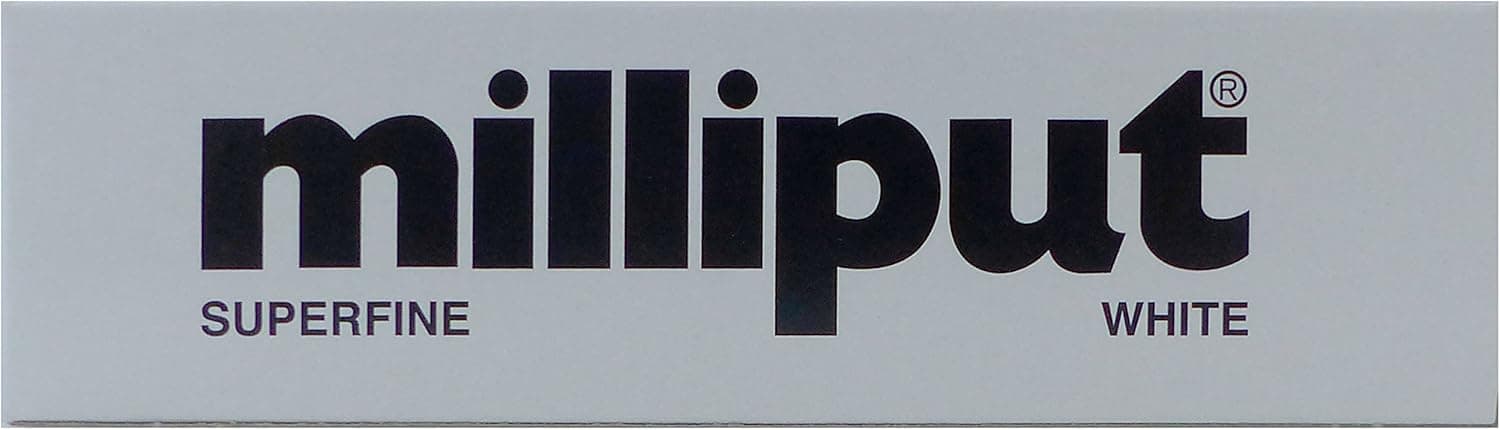
Milliput Superfine Grain epoxy putty in white, a 2-part self hardening 4 oz putty for smooth gap filling and sculpting.
Price range: See on Amazon
What we liked
- + Superfine grain gives a smooth finish for visible seams
- + White color makes it easy to see coverage under primer
- + Hardens to a sandable, carvable surface for fine repairs
Trade-offs
- - Softer working time can make sharp details slump
- - Slightly pricier than the standard grain version
What it is
This is Milliput Superfine Grain epoxy putty in a 4oz white pack, one of several grain grades the company sells for modelling, sculpting and repair work. It is a two-part, cold-setting epoxy putty sold as two separate bars, one acting as the hardener, and mixing equal amounts of each starts the curing process without any heat or baking required. Milliput has manufactured epoxy putty since the 1970s and the Superfine grade was developed specifically for finer, smaller detailed work than the original standard grain formula could achieve. For miniature painters, that makes it a common choice for filling visible mold line gaps or rebuilding a chipped detail on a display piece, rather than bulk sculpting large new forms.
Key features
According to the manufacturer, mixing equal parts of the two bars begins curing at normal room temperature, and the putty becomes rock hard within three to four hours at 20 to 25 degrees Celsius. The white color is a practical feature on its own, since it makes coverage easy to judge against darker resin or metal parts and shows clearly once primer goes over it. Once cured, the putty can be machined, drilled, tapped, turned, filed, sawn, sanded and painted, giving it more finishing flexibility than putties that stay softer after curing.
Build and materials
The manufacturer states Milliput bonds effectively to wood, brick, cement, metals, concrete, plastics and glass, which makes it useful well beyond miniature painting for general model and repair work. The superfine grain is specifically formulated for finer, smaller detailed pieces compared with Milliput's standard grain, trading some working time for a smoother final texture. According to the manufacturer, unopened Milliput has a storage life of roughly two years when kept in cool, dry conditions, so a single 4oz pack can reasonably last through many small projects if stored properly. The two bars are packaged together in one carton rather than sold separately, so there is no risk of ending up with mismatched hardener and base from different batches.
How it compares
Against Milliput's own standard grain putty, the superfine grade sacrifices a little working time and costs slightly more, in exchange for a texture that sands down cleaner on small, visible details like faces or thin seams. Compared with Kneadatite-style green stuff putties, Milliput generally cures to a harder, more rigid finish suited to precise carving and machining, while green stuff stays more elastic and is often preferred for stretching thin material over curved surfaces. Painters choosing between the two are usually picking based on whether they need Milliput's fine, hard finish or green stuff's more forgiving, flexible working properties, and many hobbyists end up keeping both on the bench for different jobs.
Who should buy it
This suits a miniature painter or model builder who needs to fill visible seams, restore chipped detail, or sculpt small, fine features where a smooth sanded finish matters more than working time. It is a strong choice for anyone doing detailed repair work beyond miniatures too, since it bonds to metal, plastic and other common hobby materials. Painters who need a longer working window to shape larger sculpted areas, or who prefer a softer, more elastic putty for stretching over curves, may get on better with the standard grain Milliput or a green stuff style putty instead.
Frequently asked questions
How long does Milliput Superfine take to harden?
The manufacturer states it becomes rock hard within three to four hours at normal room temperature of 20 to 25 degrees Celsius.
Can Milliput be sanded and drilled once it cures?
Yes, once fully cured it can be machined, drilled, tapped, turned, filed, sawn, sanded and painted.
What is the difference between Superfine and Standard grain Milliput?
Superfine grain is formulated for finer, smaller detailed work and sands to a smoother finish, while Standard grain suits larger gap filling and general modelling.
How long can unopened Milliput be stored before use?
The manufacturer states it has a storage life of about two years when kept in cool, dry conditions.
Prices change often, so check the current price and availability on Amazon.
Check price on AmazonMini Paint Lab may earn a commission from the link above.