Batch Painting Armies Without Losing Your Mind
Published How we research
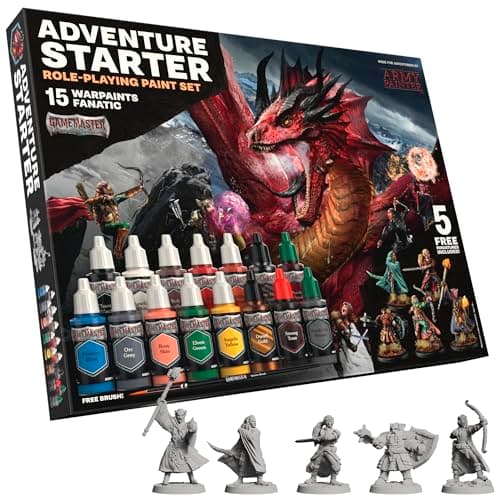
Painting one miniature well is a craft problem; painting sixty is a logistics problem. Batch painting is the assembly-line answer: instead of finishing models one at a time, you perform each step, one color, one wash, one highlight, across a whole group before moving to the next step. The efficiency gain is real and large, because mixing a color once and using it ten times amortizes every setup cost. Armies get finished by painters who batch; they mostly stay grey for painters who do not.
Products from this article
The highest-scoring picks from the buying guides this article links to. Scores are our editorial assessment, not customer ratings.
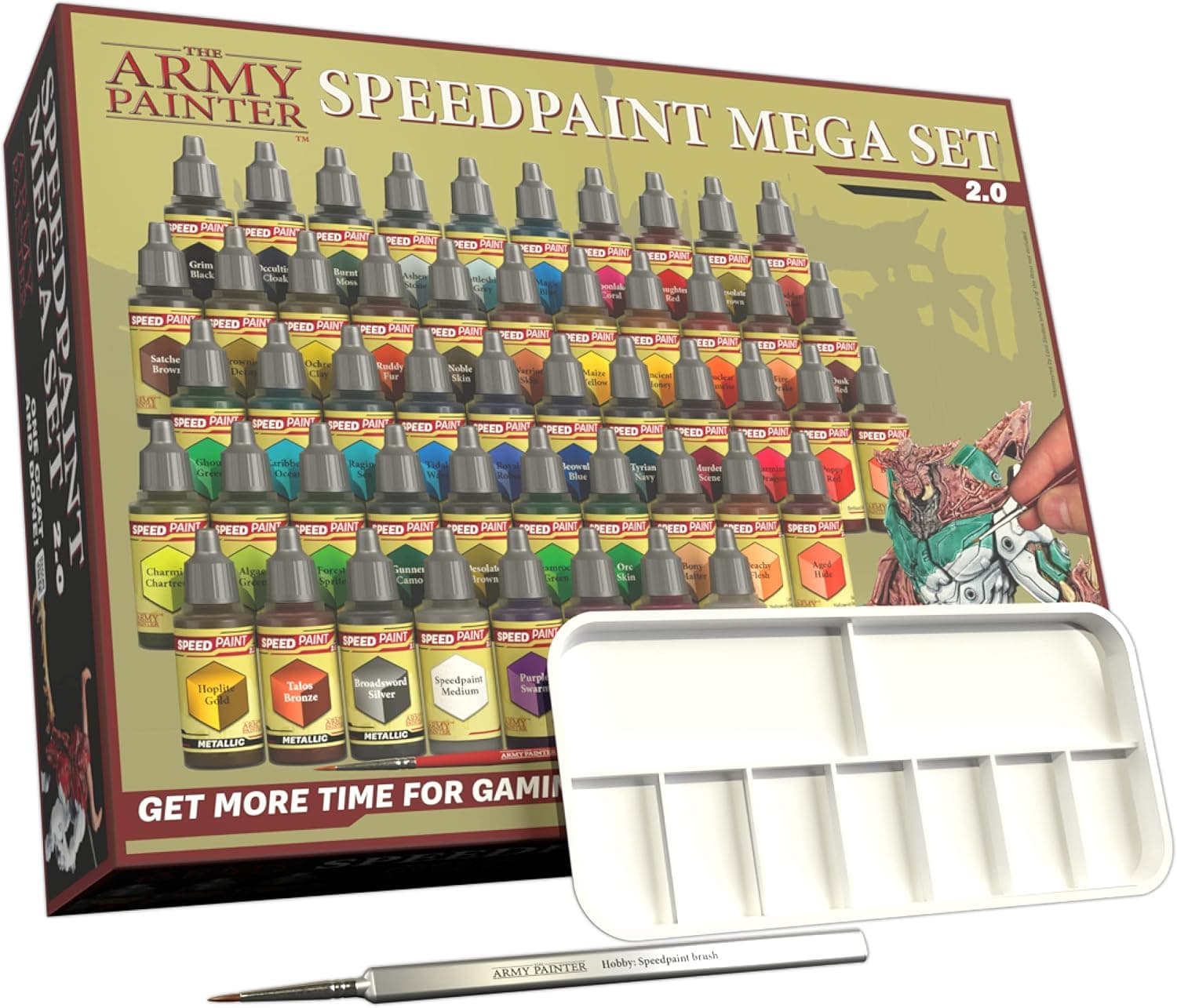
+ 50 speed paints cover almost any army or display scheme you plan
From our guide: Best Gifts for Miniature Painters
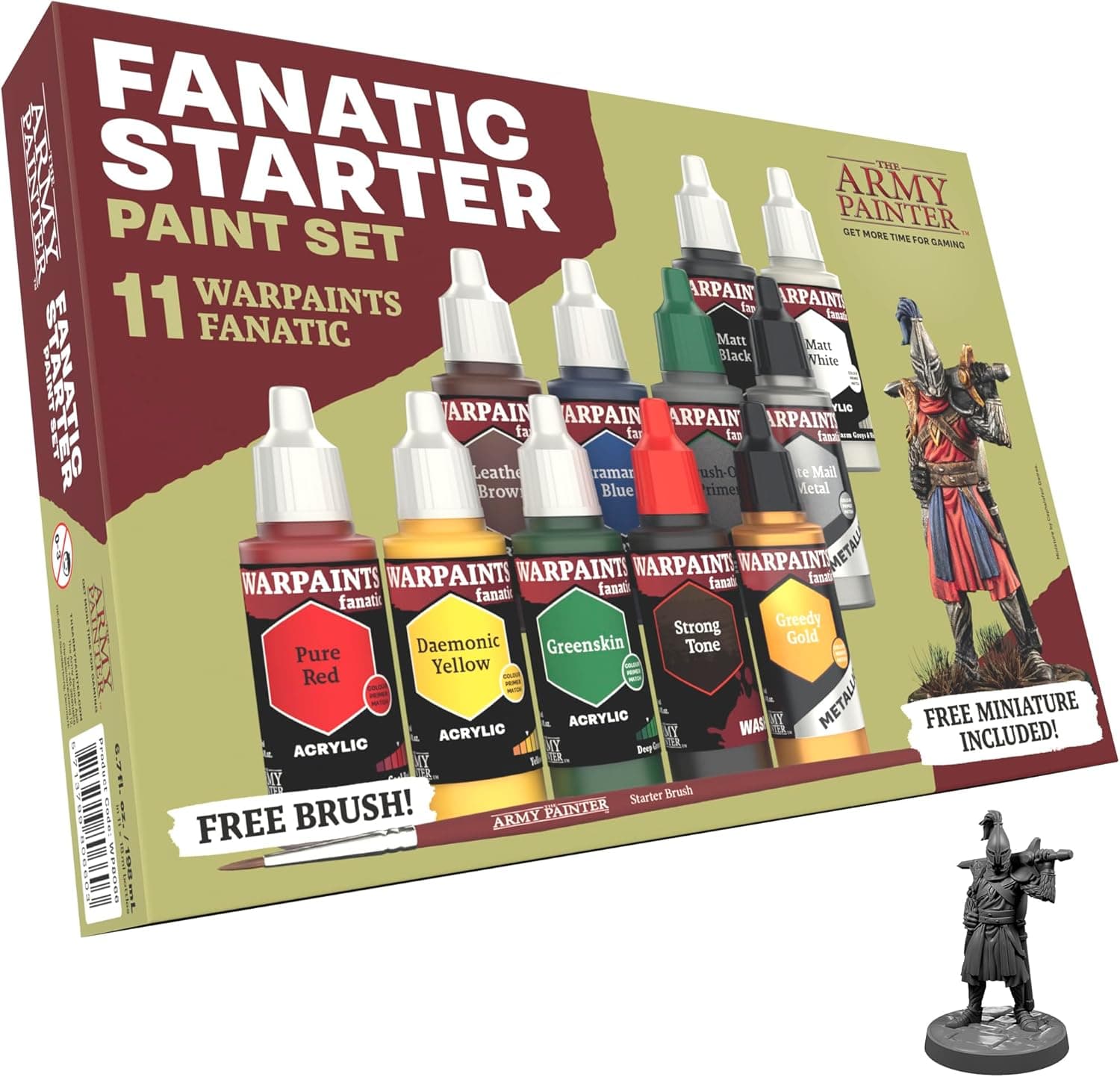
+ Includes primer, wash and metallics, so the full base-shade-highlight workflow is covered
From our guide: Best Miniature Paint Sets for Tabletop Painters
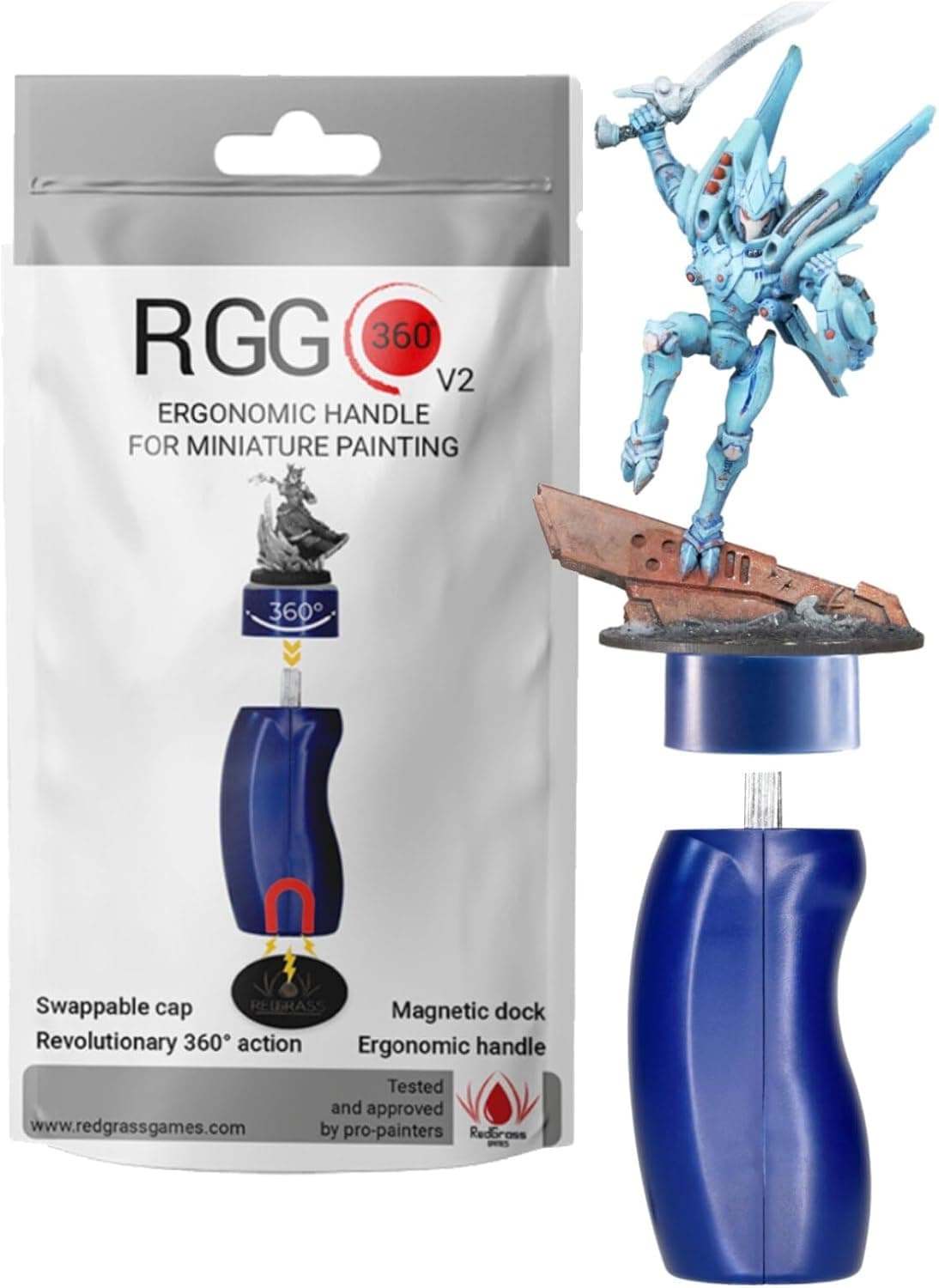
+ Ergonomic shape reduces hand cramps during long sessions
From our guide: Best Gifts for Miniature Painters
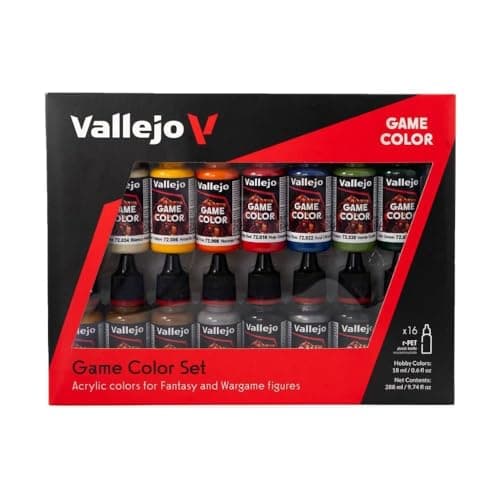
+ Sixteen bottles with precision eyedropper caps make it easy to dose paint onto a palette
From our guide: Best Miniature Paint Sets for Tabletop Painters
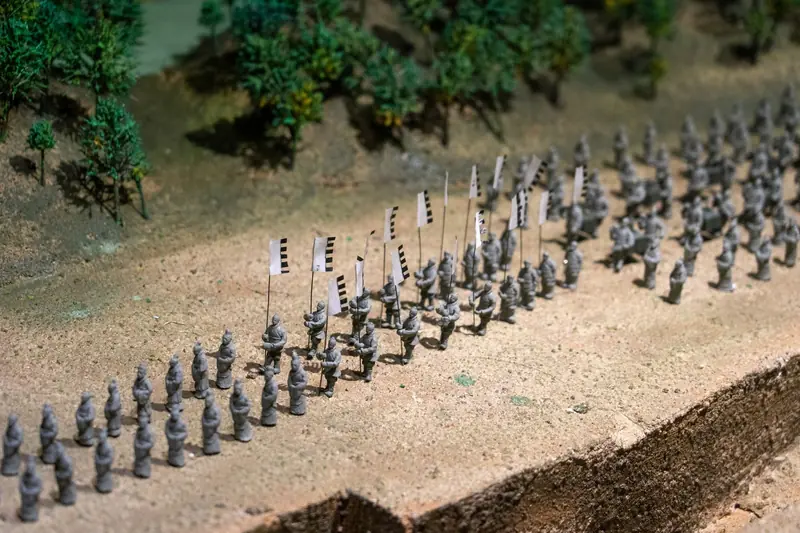
Batch size is the variable that decides whether the method works for you. Five to ten infantry models per batch is the sweet spot for most people: large enough to be efficient, small enough that the repetition of each step ends before it deadens you. Whole-army batches of forty invite burnout and a graveyard of half-painted projects. Split large units into two batches if needed, and keep batches identical or similar in model type so every step applies to every model without exceptions.
Order your steps from broad to narrow and from deep to shallow. Prime the batch, then paint the largest or deepest color first, typically the underlayer that other areas overlap, and work outward: main armor or cloth, then secondary colors, then leathers and metals, then washes, then highlights, then details like eyes and insignia, and finally bases. Painting inside-out means each new color tidies the edges of the previous one, so precision requirements stay low until the very last steps, which is exactly where you want them.
Momentum management matters as much as technique. The middle of a batch, after washes but before highlights, is the notorious morale trough where models look worse before they look better; expect it and push through, because the highlight step improves everything at once. Keep sessions bounded, one step or one hour, so the project advances without demanding whole weekends. Some painters keep a single hero model on the side as a reward, allowing careful, slow painting after a batch session, which satisfies both halves of the hobby brain.
Consistency across batches painted weeks apart depends on writing things down. Record the exact paints used for every area, including wash choices and highlight mixes, in a note on your phone or a card in the paint drawer. Photograph a finished reference model from front and back. When the second half of the army happens three months later, the recipe turns matching into a mechanical task instead of a guessing game. This habit alone determines whether a force looks like one army or several.
Finally, calibrate quality intentionally rather than by mood. Decide before starting what standard the rank-and-file deserve, perhaps base, wash, one highlight, basing, and reserve the fancy techniques for characters and centerpieces. A consistent modest standard across every model looks dramatically better on the table than a mix of showpieces and bare plastic. The finished army is the goal, and batch painting is simply the honest admission that finished is a supply-chain outcome, not an artistic one.
Popular right now
- The Best Miniature Carrying Cases for TransportBuying guide
- Best Texture Paints for Basing MiniaturesBuying guide
- Best Drybrushes for Miniatures and TerrainBuying guide
- The Best Magnifiers for Miniature PaintingBuying guide
- Best Miniature Paint Sets for Tabletop PaintersBuying guide
- Best Speed Paints for Fast Miniature PaintingBuying guide
Based on the last 28 days of search and visitor data.