How to Get Acrylic Paint Off Clothes: Wet, Dried and Hobby Paint Stains
Published How we research

Act while the paint is still wet: rinse it from the back of the fabric with cool running water and dish soap, and never put the garment in a dryer until the stain is gone. Wet acrylic is water-based and comes out of most fabrics easily. Dried acrylic has cured into a plastic film, so it has to be softened and lifted rather than simply washed. Miniature painters get a special version of this problem: the amounts are tiny, but hobby paints are heavily pigmented and a drip on a sleeve or a knee is easy to miss until it has dried. The steps below cover fresh spills, dried spots, what to do when a trace remains, and how to stop it happening at the painting desk.
Products from this article
The highest-scoring picks from the buying guides this article links to. Scores are our editorial assessment, not customer ratings.
+ 10 pockets store brushes, knives, tweezers and more
From our guide: The Best Hobby Aprons for Painting and Modeling
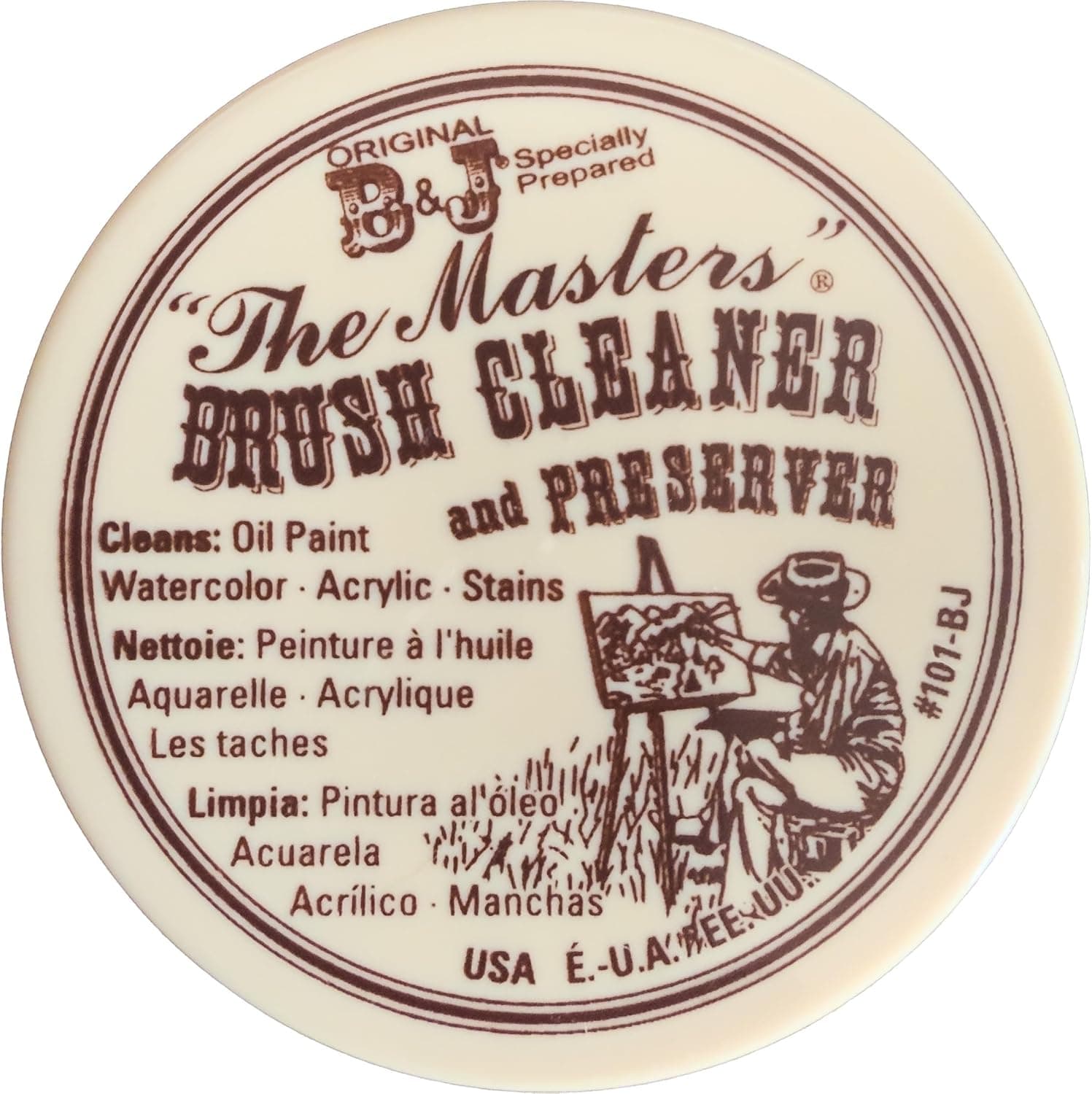
+ Cleans dried acrylic from bristles and conditions the hairs
From our guide: Best Brush Soaps and Cleaners for Miniature Painting
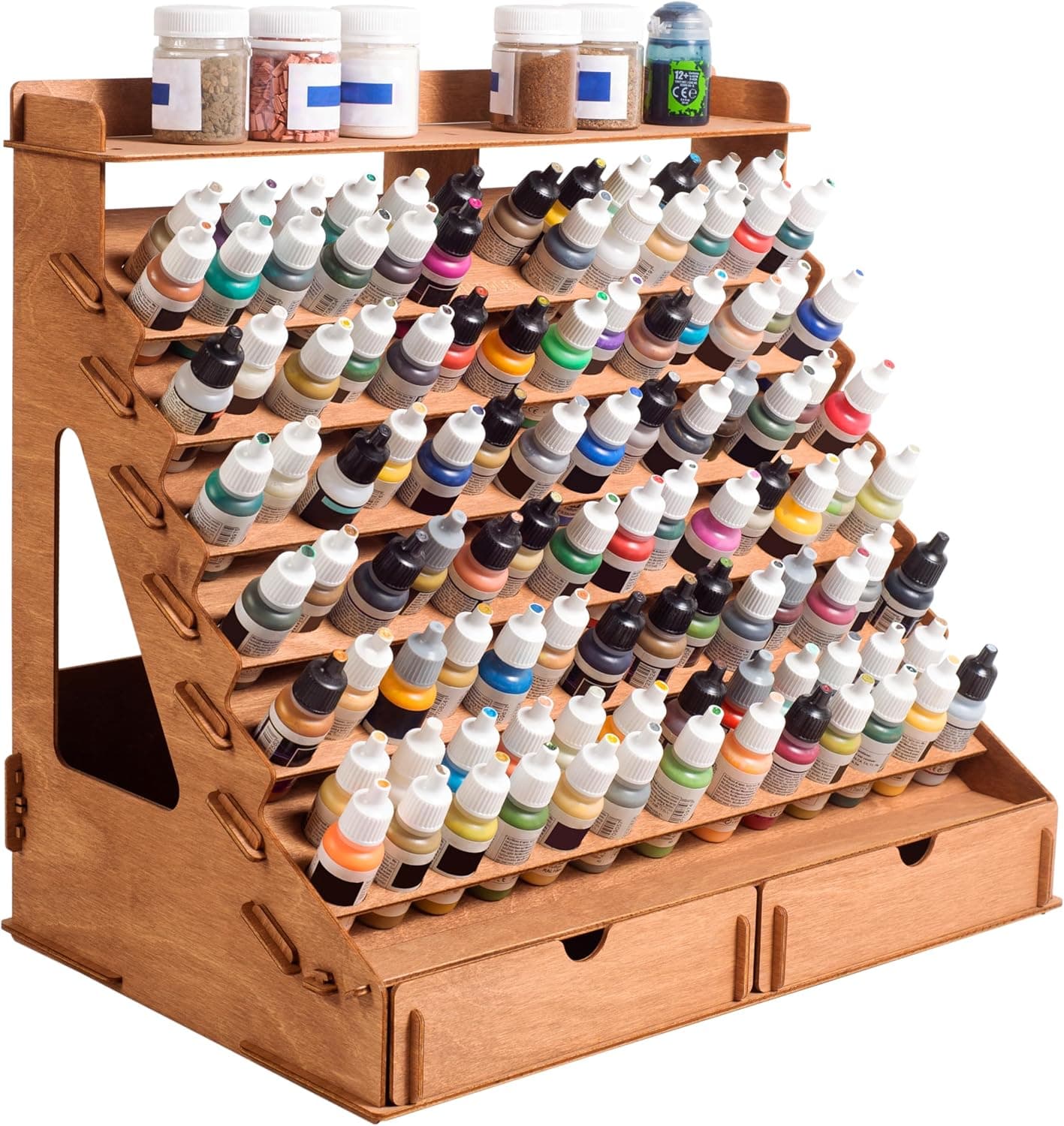
+ 105 holes sized for 17 ml Vallejo style dropper bottles
From our guide: Best Painting Desk Setup for Minis
+ Shoulder straps spread weight and avoid neck strain
From our guide: The Best Hobby Aprons for Painting and Modeling


Fresh acrylic paint: what to do in the first few minutes
Acrylic paint is water-based while it is wet, so speed is the main factor. Blot off any excess with a paper towel without rubbing, because rubbing pushes pigment deeper into the weave. Then turn the garment inside out and hold the stained area under cool running water so the water pushes the paint out the way it came in, through the back of the fabric instead of further into it.
Work a small drop of dish soap into the stain with your fingers or a soft toothbrush, rinse, and repeat until the water runs clear. Use cool or lukewarm water. Hot water and heat in general can help paint bond to fibers, which is the opposite of what you want. Once the stain looks gone, wash the garment as usual, but check it while it is still damp before drying.
Dried acrylic paint: soften it first, then lift it
Once acrylic has dried, soap and water alone will not dissolve it. Start by flexing the fabric to crack the paint film, and gently scrape off the raised crust with a dull edge such as a butter knife, a spoon or a fingernail. Do not use a sharp blade on the fabric itself, since it is easy to cut threads.
Next, place a clean white cloth or paper towel under the stain and dab the spot with rubbing alcohol (isopropyl) on a second cloth or a cotton swab. The alcohol softens the paint so it transfers into the cloth below. Work from the outside of the stain toward the center so it does not spread, and swap to a clean area of the cloth as it picks up color. Scrub lightly with an old toothbrush, then rinse and wash with dish soap. Several rounds are normal for an old stain, and patience works better than force.
Always test alcohol on a hidden seam first. It is usually safe on cotton and polyester, but it can affect some dyes. Avoid acetone and nail polish remover unless the care label allows it, since acetone damages acetate, triacetate and some other synthetic fibers.
Choosing a method by fabric
Cotton, denim and polyester are the most forgiving: they tolerate soap, alcohol and a soft brush. Delicate fabrics such as silk, wool and rayon, and anything marked dry clean only, are better left to a professional cleaner, and you should tell them it is acrylic paint. Bring the garment in before trying home solvents, because a failed attempt can set the stain or damage the fiber.
Dark and heavily dyed garments need extra care because rubbing alcohol can lift dye as well as paint. Always dab, never scrub, and check the cloth underneath: if it starts to pick up the garment's dye color instead of paint color, stop. For thick, textured fabrics such as fleece or terry cloth, scrape the dried paint off the surface first, then work on the remaining pigment from the back side. A typical hobby smear is small enough that a cotton swab gives you far more control than a soaked cloth.
When a faint mark is left after washing
If a pale shadow of the stain remains, do not dry the garment, since heat from a dryer cures what is left. Repeat the alcohol and dish soap treatment, or soak the area in warm water with a little laundry detergent for an hour or two and scrub gently. Some pigments, strong reds, deep blues and inks used for washes among them, can leave a light tint even after the paint film is gone. That is dye-like staining and it often fades over several wash cycles.
Air dry between attempts and look at the spot in daylight. If it is still visible after two or three rounds, a stain remover made for the fabric type is a reasonable next step, and a patch of the same color or a pocket can cover a stubborn mark on a work shirt. It is also fine to demote the garment to painting duty, which brings us to prevention.
Keeping paint off your clothes at the painting desk
Most hobby stains come from three habits: wiping a loaded brush on a sleeve, leaning over open paint pots, and cleaning brushes while wearing a good shirt. A dedicated apron or smock removes the whole problem, and it takes a minute to put on.
Set the desk up so the things that drip stay in front of you and away from your arms: a water pot and a wet palette on the side of your brush hand, a paper towel pad for wiping brushes, and a lid on every pot that is not in use. Wash brushes right after the session with a proper cleaner so dried paint does not end up on a cuff or on the towel you carry around the house.
Cleaning brushes without making a mess
Dried paint on a brush ferrule is also dried paint waiting to be transferred to fabric. Rinse brushes between colors, then finish the session with a brush soap or cleaner that removes pigment from the heel of the bristles, so you are not tempted to wipe a stiff brush on your trousers. If a smear lands on a cuff, treat it immediately using the fresh paint steps above.
Keeping brushes in a stand or holder instead of loose on the desk also avoids the knocked-over water cup, which is a frequent source of paint-colored spills on laps.
Setting up a desk that protects clothes and surfaces
A tidy layout is the cheapest stain prevention. Give each tool a fixed spot, keep paint pots in a rack or organizer instead of in a pile, and put a mat or tray under the work area so a spill is caught before it reaches a sleeve. Good light also helps, because you notice a drip on your clothes sooner when you can see it.
Frequently asked questions
Does acrylic paint come out of clothes after it dries? Often yes, but it takes more steps. Scrape off the crust, soften the stain with rubbing alcohol on a cotton swab or cloth, scrub lightly, then wash with dish soap. Old, thick paint may need several rounds, and results depend on the fabric and pigment.
Can I put the garment in the dryer to check? Not until the stain is gone. Heat can set what remains of the paint into the fibers, so air dry the garment and inspect it before using the dryer.
Is hobby paint different from craft acrylic? Both are acrylic emulsions, and the same steps apply. Miniature paints are usually thinner and more pigmented, so a small stain can look intense, but they respond to the same soap, alcohol and patience.
Does hairspray or vinegar work? Some people try hairspray because it contains alcohol, but plain rubbing alcohol is more predictable and cheaper. Whatever you use, test on a hidden area first and avoid heat until the stain has lifted.
Popular right now
- The Best Miniature Carrying Cases for TransportBuying guide
- Best Texture Paints for Basing MiniaturesBuying guide
- Best Drybrushes for Miniatures and TerrainBuying guide
- The Best Magnifiers for Miniature PaintingBuying guide
- Best Miniature Paint Sets for Tabletop PaintersBuying guide
- Best Speed Paints for Fast Miniature PaintingBuying guide
Based on the last 28 days of search and visitor data.