Keeping Your Brushes Alive
Published How we research
Every experienced painter owns a graveyard of ruined brushes, and nearly all of them died the same way: paint reached the ferrule, dried there, and slowly pried the bristles apart. Brush care is not fussy perfectionism; it is the difference between a quality sable brush lasting five years or five weeks. The habits involved cost seconds per session, and they preserve the one property that makes detailed painting possible at all, a tip that comes to a reliable point.
Products from this article
The highest-scoring picks from the buying guides this article links to. Scores are our editorial assessment, not customer ratings.
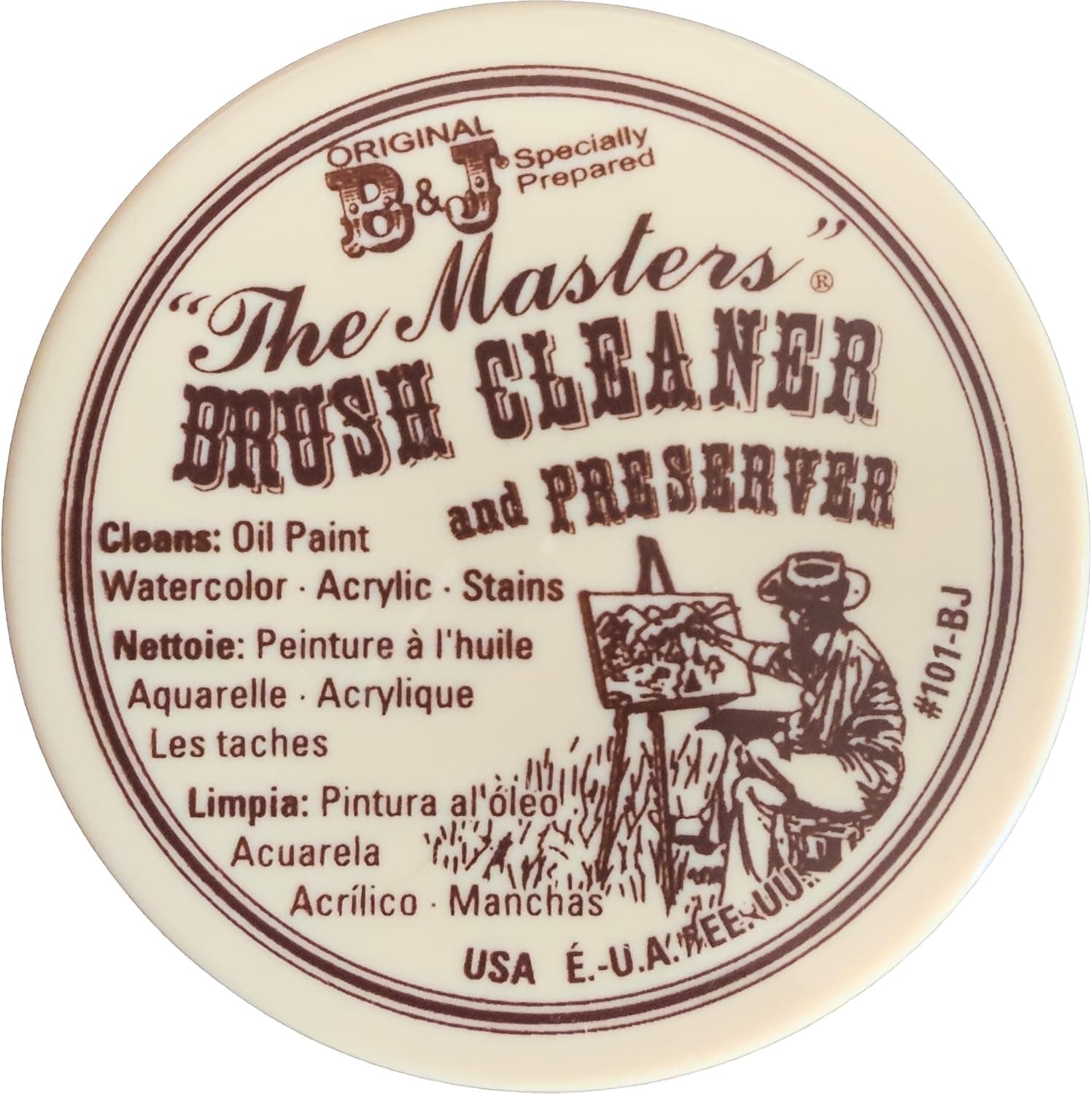
+ Cleans dried acrylic from bristles and conditions the hairs
From our guide: Best Brush Soaps and Cleaners for Miniature Painting
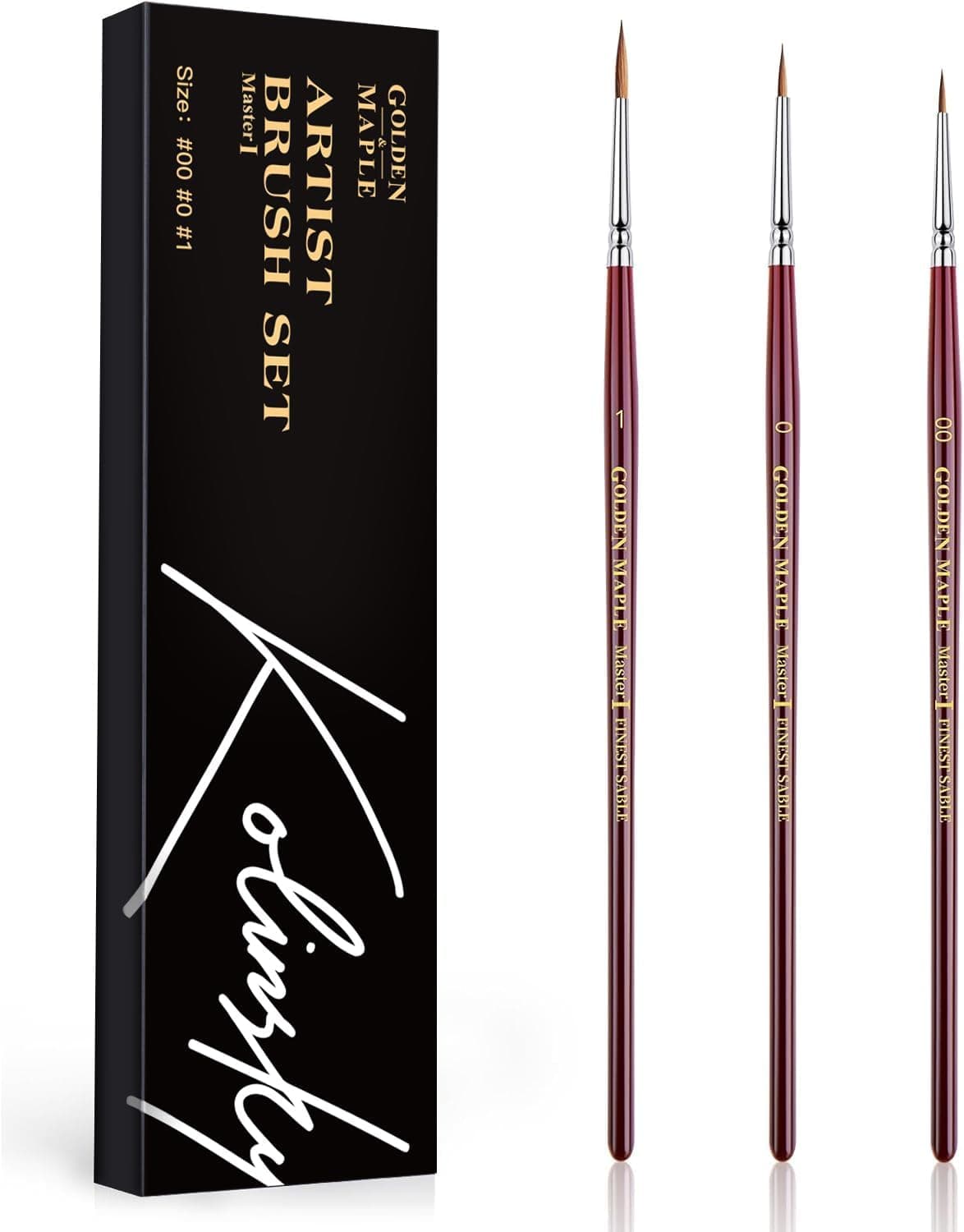
+ Sizes 00, 0 and 1 are the core range most mini painters rely on
From our guide: Best Miniature Paint Brushes for Every Budget
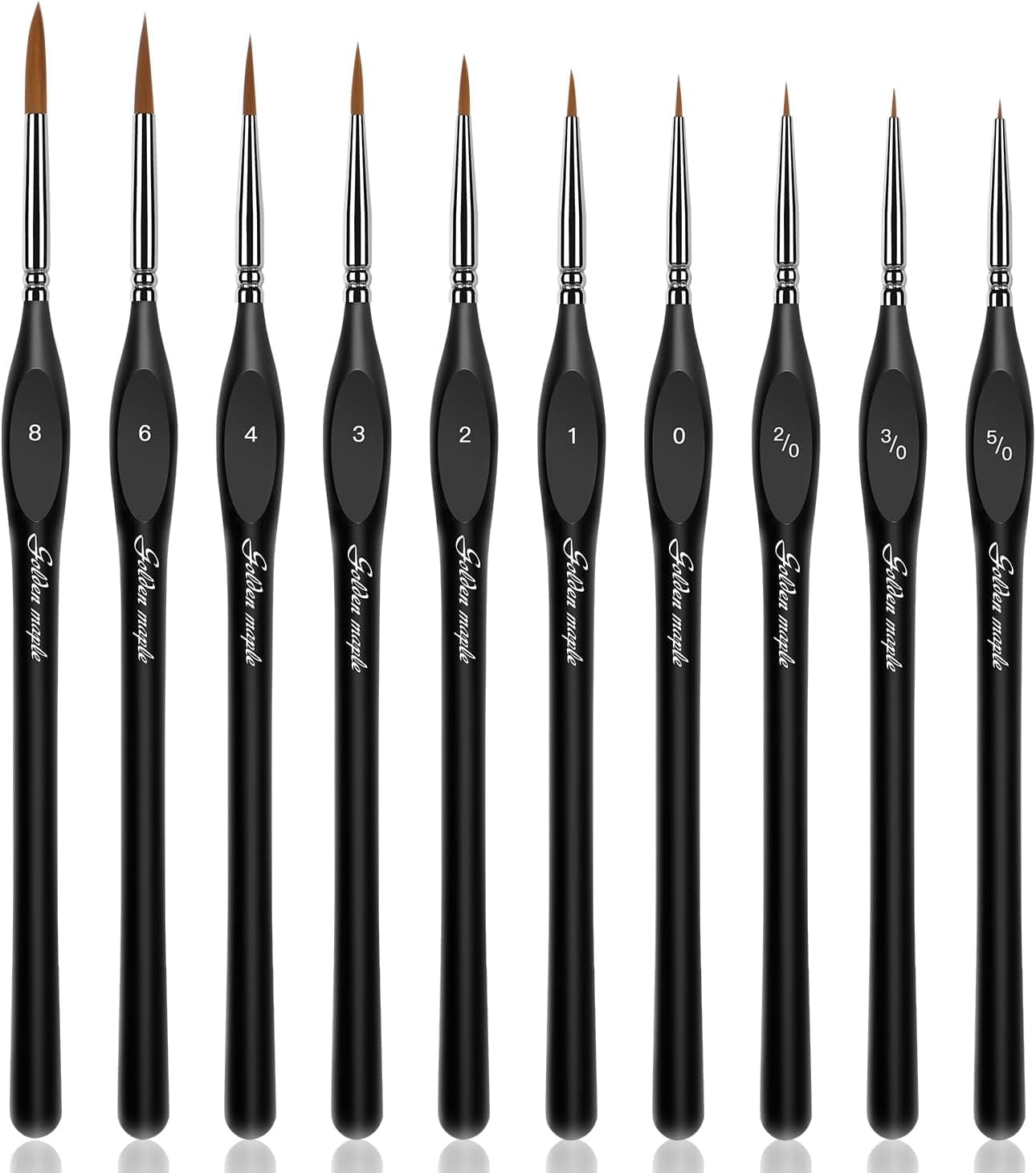
+ 10 detail brushes give a spread of fine tips for small work
From our guide: Best Detail Brushes for Fine Miniature Work
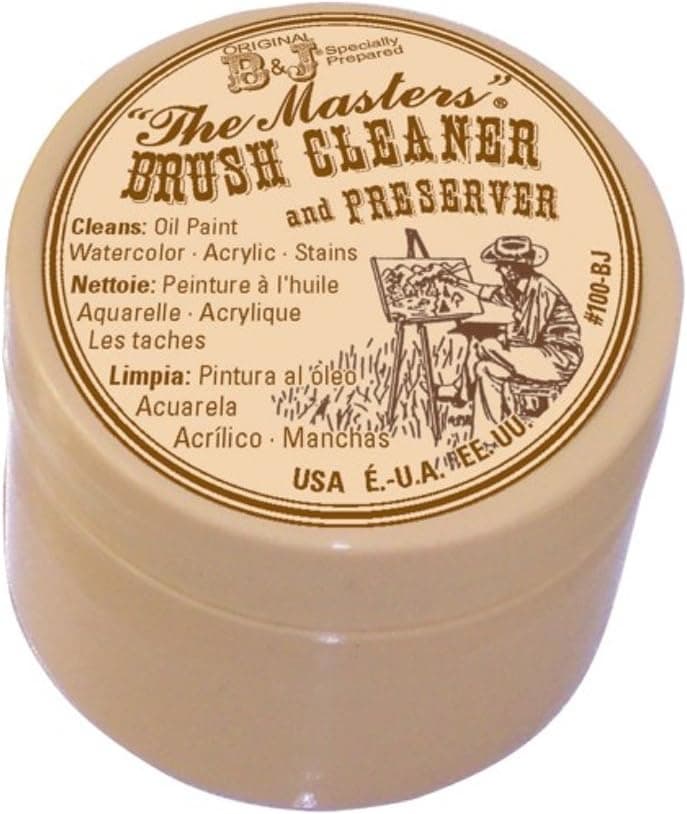
+ Small size is ideal to try the classic brush soap cheaply
From our guide: Best Brush Soaps and Cleaners for Miniature Painting
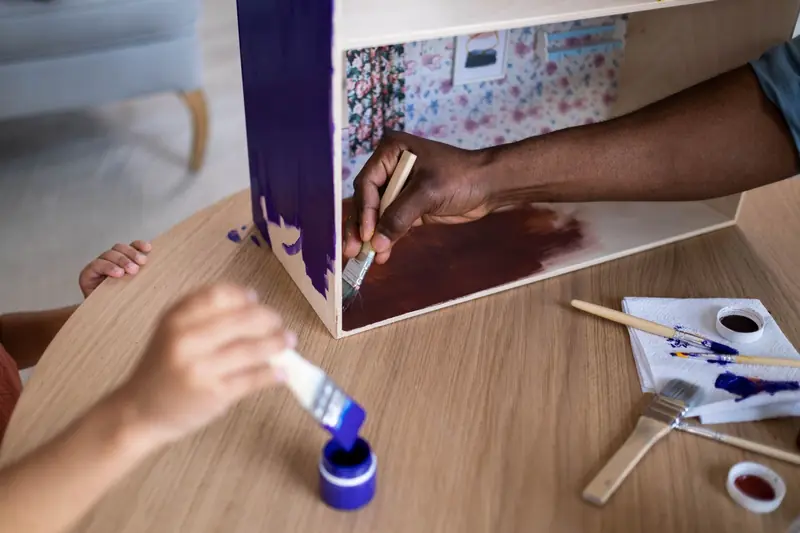
Understand the enemy: acrylic paint is plastic. When it dries in the belly of the brush, near the metal ferrule where bristles are glued, it hardens into a wedge that splays the hairs outward and destroys the point permanently. The two habits that prevent this are never loading paint past the middle of the bristles and never letting paint begin to dry in the brush. Rinse promptly and often, every minute or two while painting, with a gentle swirl rather than a violent mashing against the bottom of the water pot.
Session hygiene is simple to build into muscle memory. Use two water pots, one for the first dirty rinse and one for a clean final rinse, so you are not repainting the brush with dilute pigment. Reshape the tip to a point with your fingers or lips after each rinse. Never leave a brush standing bristles-down in water, which bends the tip into a permanent hook and soaks the ferrule until the glue fails; even a few forgotten minutes does damage. Lay brushes flat when not in hand.
End-of-session care takes one minute. Rinse thoroughly, then work a small amount of brush soap through the bristles in your palm, watching surprising quantities of hidden pigment emerge from a brush that looked clean. Rinse the soap out, reshape the point, and store the brush horizontally or bristles-up. Once every few weeks, condition sable brushes by leaving a trace of brush soap in the reshaped tip, which keeps natural hair supple the way conditioner treats human hair. Cheap synthetic or dedicated drybrushes can skip the ceremony.
Match the brush to the task and your good brushes rarely face danger. Metallic paints, drybrushing, texture pastes, and slapping paint into terrain are brutal jobs; give them dedicated cheap brushes and let those die honorably. Reserve your sable rounds for freshly stirred, properly thinned regular acrylics. Avoid dipping good brushes into primer, superglue accelerator, or varnish. This division of labor means the expensive tools only ever encounter conditions they were designed for, and the disposable tools absorb all the abuse.
Retire brushes into new roles instead of the bin, since a brush that lost its point still spreads base coats, stipples, or drybrushes for years. And when a good brush starts misbehaving early, try rehabilitation before replacement: a longer session with brush soap, or a purpose-made brush restorer for serious cases, can recover a surprising number of hooked or splayed tips. But mostly, prevention wins. The painters with ten-year-old brushes are not lucky or gentle; they just rinse before the paint dries, every time.
Popular right now
- The Best Miniature Carrying Cases for TransportBuying guide
- Best Texture Paints for Basing MiniaturesBuying guide
- Best Drybrushes for Miniatures and TerrainBuying guide
- The Best Magnifiers for Miniature PaintingBuying guide
- Best Miniature Paint Sets for Tabletop PaintersBuying guide
- Best Speed Paints for Fast Miniature PaintingBuying guide
Based on the last 28 days of search and visitor data.