How to Prime Miniatures in Autumn and Winter
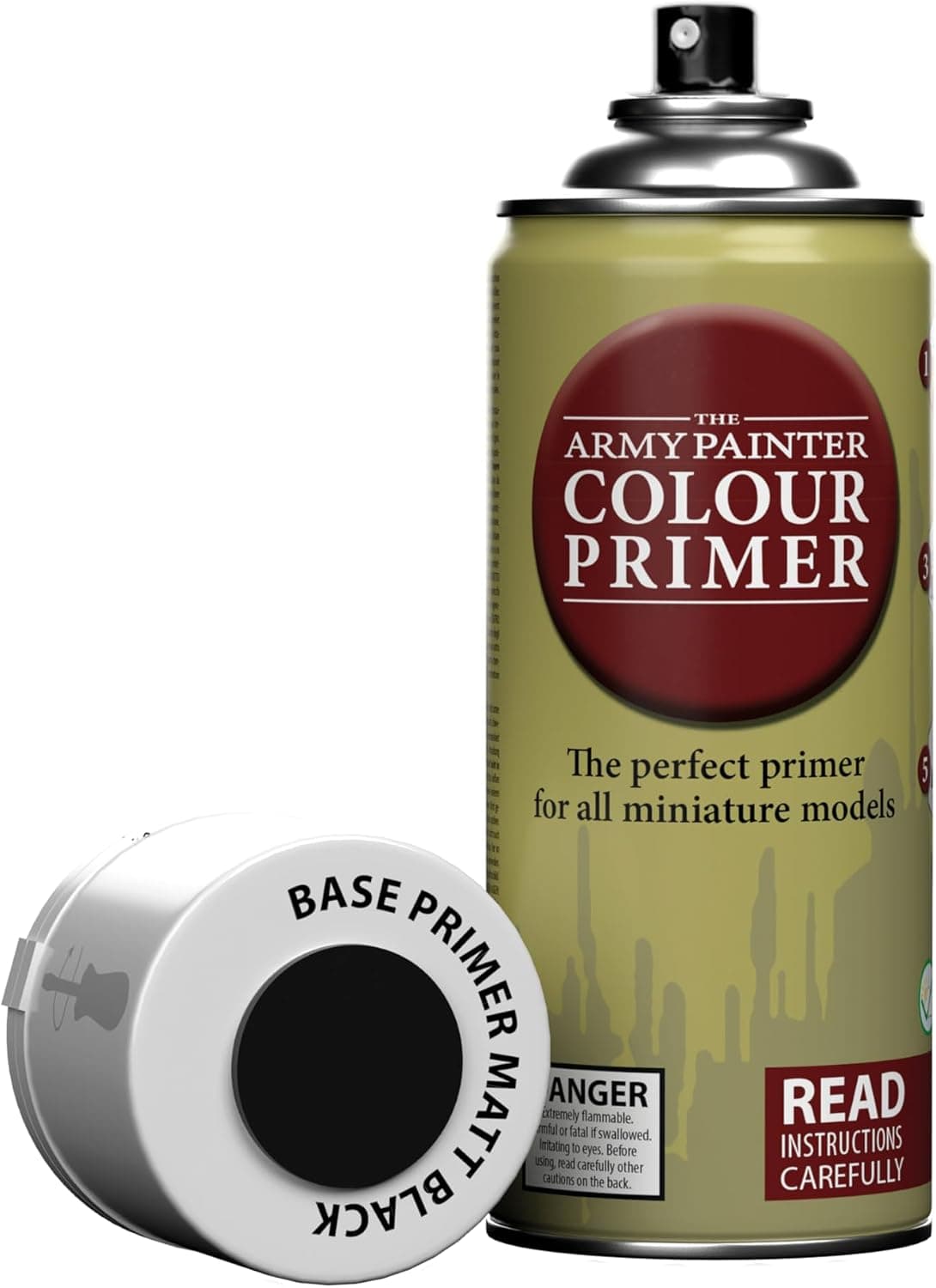
Spray priming outdoors is easy in summer, but cold and damp autumn and winter weather often produces fuzzy, gritty or poorly bonded primer. Many hobbyists simply stop priming for months and end up with a growing pile of bare plastic. With a few adjustments to timing, temperature and technique, plus some indoor alternatives, you can prime reliably all year round.
Why cold weather affects primer
Aerosol cans lose internal pressure as they cool, which causes sputtering, spitting and uneven spray patterns. In cold air, primer droplets can also partially dry before they land, leaving a rough, dusty texture that shows through every layer of paint.
Humidity adds another problem by trapping moisture in the fresh primer film, which weakens adhesion and can leave a cloudy or gritty finish. Low temperatures also slow curing, so primer stays soft for longer and is easily damaged by handling.
Warm cans and models first
Bring spray cans and miniatures indoors several hours before priming so both reach room temperature. Some painters stand the can in a bowl of warm tap water for a few minutes before spraying, which restores pressure and gives a finer mist.
Never heat aerosol cans with hot water, heaters, hair dryers or open flames, because overheated cans can burst. Shake the can thoroughly, often for a minute or more after the mixing ball starts to rattle, so pigment and propellant are fully mixed.
Choose the best conditions available
Check the forecast and spray during the warmest, driest part of the day, usually around midday. Avoid rain, fog, drizzle and days when humidity is high, even if the temperature seems mild.
A sheltered area such as a garage with the door open gives protection from wind while still providing ventilation. Spray in short passes from the distance shown on the can, then bring models back into a warm room to cure fully before handling.
Use brush-on or airbrush primer
Brush-on primers are unaffected by weather and can be applied at your desk in any season. Apply thin, even coats with a soft synthetic brush, letting each coat dry, so fine details are not filled in.
Airbrush primers used with a hobby spray booth give excellent control and a very smooth finish indoors. Water-based airbrush primers reduce fumes, but still wear a suitable mask and follow the product's safety guidance.
Ventilate safely indoors
Never spray solvent-based aerosol primers in an enclosed living space, even with a window cracked open. The fumes and fine overspray can be harmful and settle on surfaces throughout the room.
Hobby spray booths with filters and exhaust hoses vented through a window make indoor airbrushing much safer. Read product labels to confirm which primers are suitable for indoor use with ventilation, and use an appropriate respirator where recommended.
Batch prime before winter
Take advantage of mild autumn days to prime large batches of miniatures before cold weather arrives. Having a stock of primed models ready means you can keep painting all winter without waiting for a good weather window.
Store primed miniatures in covered boxes or containers to keep dust and pet hair off them. Before painting a model that has been stored for a long time, check the primer is firmly bonded by gently scratching a hidden area.