Speed Painting a Squad in a Weekend
Published How we research
Painting a full squad in a weekend is entirely achievable, but not by painting faster in the literal sense; the trick is choosing techniques with high payoff per minute and sequencing the work so nothing blocks anything else. A ten-model unit at solid tabletop standard fits comfortably into two or three days when the plan is honest about what matters at arm's length: silhouette, contrast, and clean bases, not perfect blends nobody will see mid-game.
Friday evening is preparation, and it decides the whole weekend. Clip, clean mold lines, and assemble the squad, leaving separate any parts that would block brush access. Get models on their bases or on corks, and prime that same evening so paint can start Saturday morning: a zenithal prime, black then grey then a light dusting of white from above, if you plan to use speed paints or thin coats, or a colored prime matching your main armor color if you plan classic painting. While primer dries, set out the six or eight paints the scheme needs and nothing else.
Saturday is for the big moves. Working batch-style, all ten models per step, lay in base colors from largest area to smallest: armor first, then cloth, then leather, metal, and skin. Keep the palette small, since fewer colors means fewer steps multiplied by ten. By early afternoon the squad should be blocked in and slightly flat-looking, which is exactly on schedule. Then shade everything in one pass: an all-over wash on textured schemes, or speed paints doing double duty if you went that route, or targeted recess shading on smooth armor. Stop when the wash is on; the squad must dry fully, and Saturday evening off is part of the plan.
Sunday morning is reclamation and pop. Over the now-shaded models, reapply the main colors on raised flat surfaces, leaving the wash in the recesses, an hour that removes the dirty look and restores brightness. Then spend a strictly limited highlight budget where eyes actually go: an edge highlight or quick drybrush on the armor's top edges, a spot highlight on helmets and shoulders, a bright touch on weapons, and faces done with the simple wash-and-highlight method. Skip the eyes on rank-and-file; a shadowed socket reads fine at gaming distance.
Sunday afternoon finishes the job, and finishing is a technique of its own. Paint any remaining details in a single detail pass per model, ten minutes each, timed if you drift toward perfectionism. Then base the whole squad assembly-line style: texture, drybrush, a tuft each, rims painted clean. Basing delivers the largest visual upgrade per minute of the entire weekend, which is why it must never be sacrificed to buy more highlighting time. A coat of matte varnish, weather permitting, seals the unit for play.
The deeper lesson of a weekend squad is calibration. Decide the standard before you start, write the steps down, and resist upgrading mid-stream, since scope creep is what actually kills speed painting. Photograph the finished unit; you will find that the arm's-length photo looks remarkably close to work that took three times as long, because tabletop impact lives in contrast, cleanliness, and bases. Repeat the same plan next weekend and the numbers compound: a painted army in under two months, one honest weekend at a time.
Products from this article
The highest-scoring picks from the buying guides mentioned above. Scores are our editorial assessment, not customer ratings.
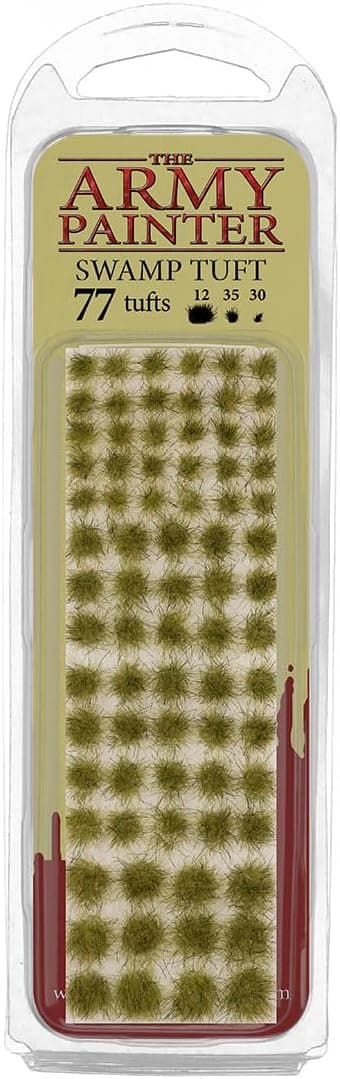
+ 77 pcs in 3 sizes allow varied, natural placement on bases
From our guide: Best Grass Tufts and Flock for Miniature Basing
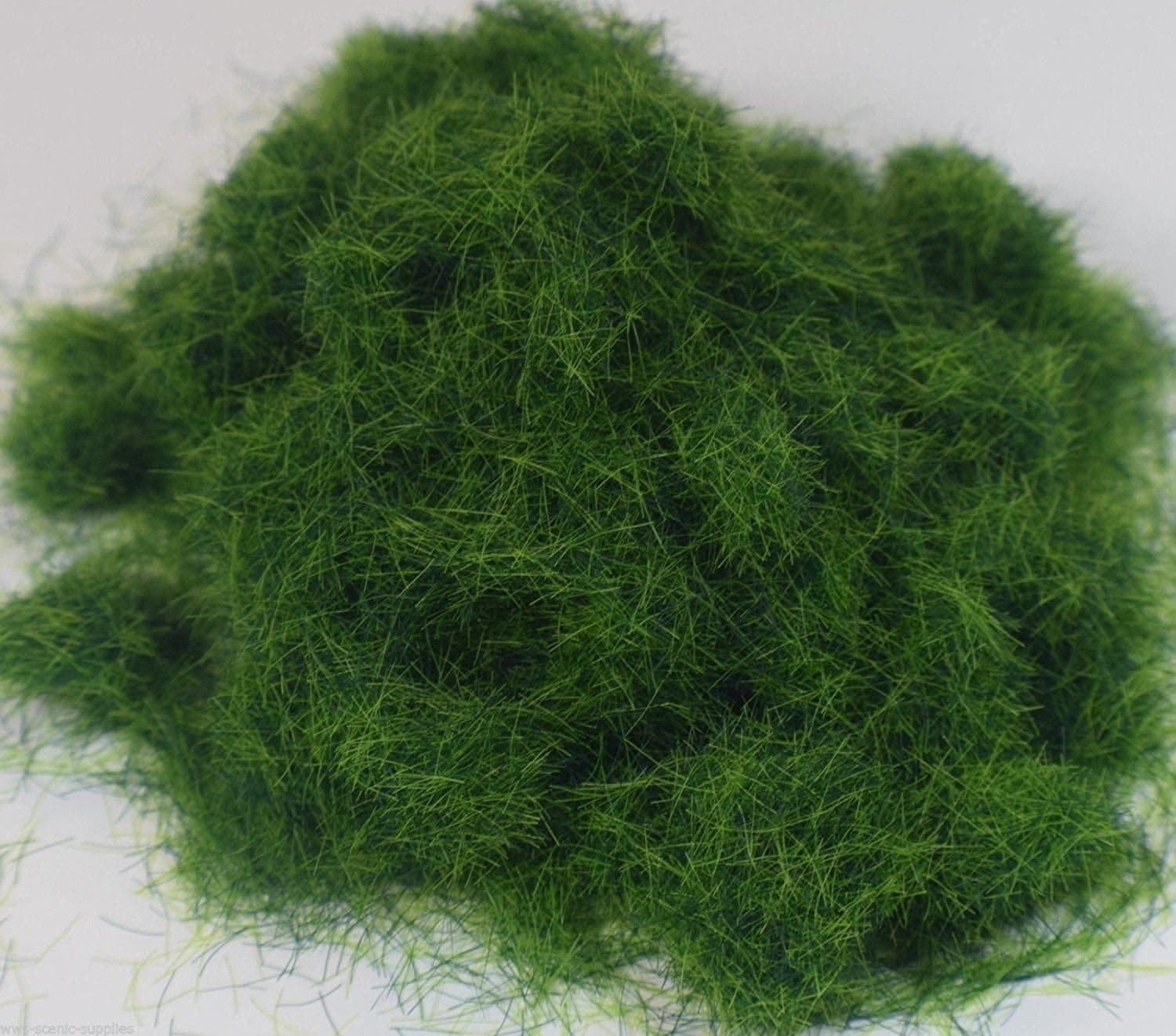
+ 6mm fibers give a lush meadow look on typical heroic scale bases
From our guide: Best Static Grass for Miniature Bases and Terrain
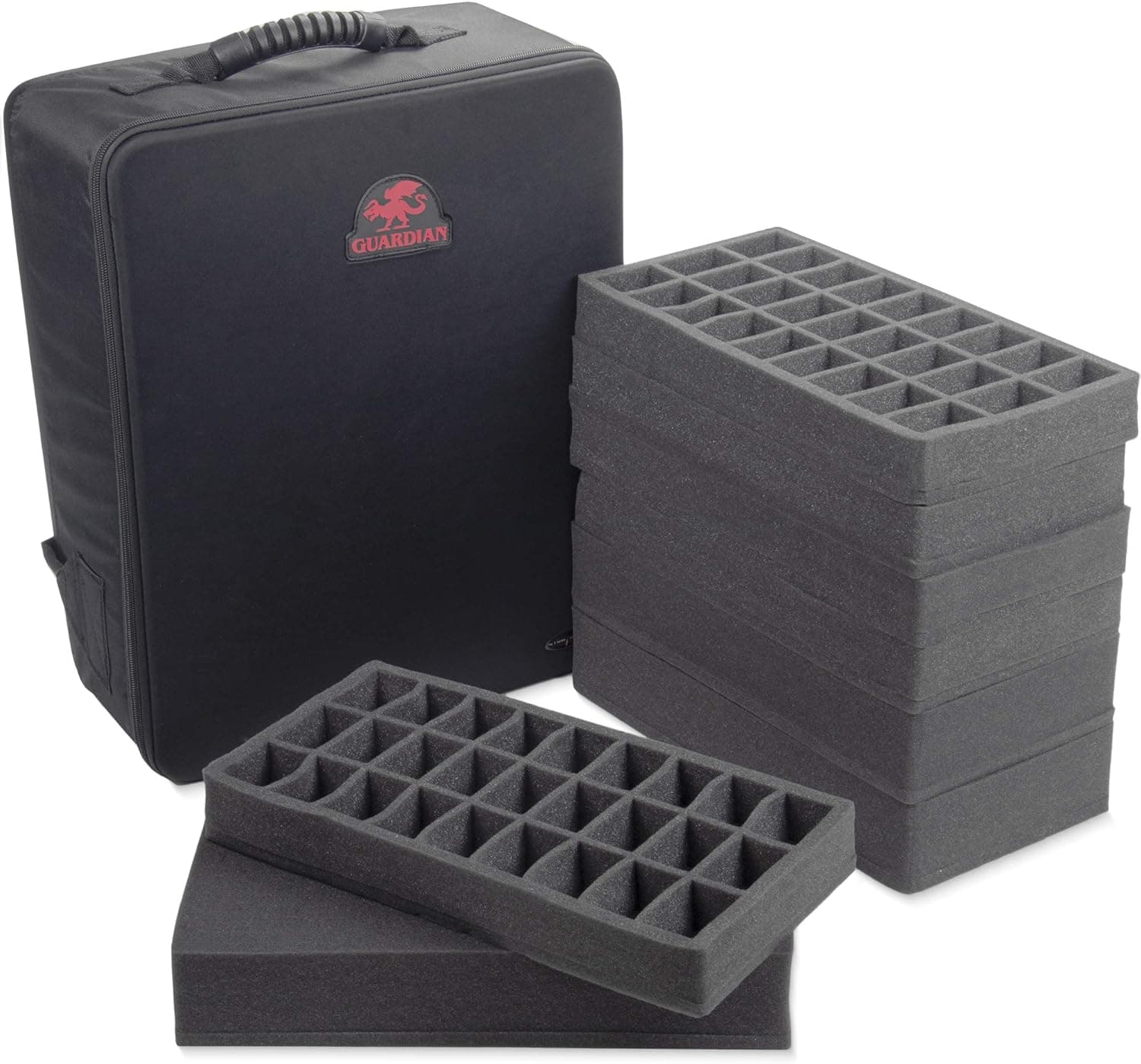
+ Holds 135+ figurines for large army transport
From our guide: The Best Hobby Backpacks for Tabletop Gamers
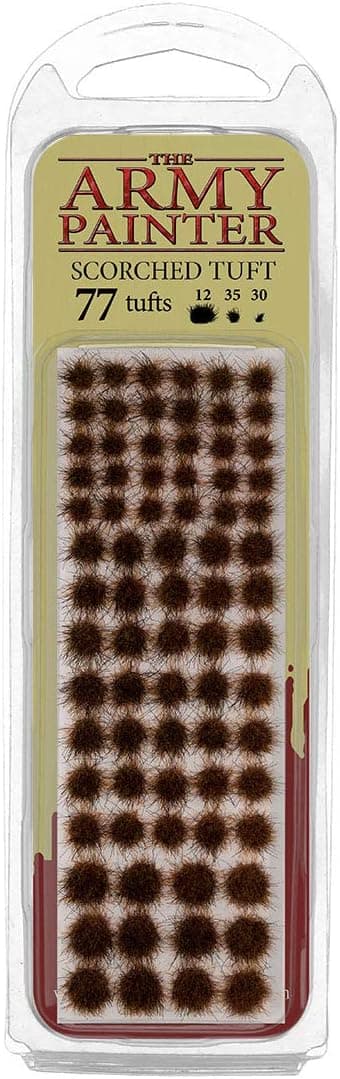
+ Scorched color adds a war-torn feel to grimdark bases
From our guide: Best Grass Tufts and Flock for Miniature Basing
Popular right now
- Miniature Paint Thinning Ratio ChartArticle
- Priming MiniaturesArticle
- Zenithal PrimingArticle
- Basecoat explainedGlossary
- Washes and Shades ExplainedArticle
- Layering vs BlendingArticle
Based on the last 28 days of search and visitor data.