Contrast and Speed Paints
Published How we research
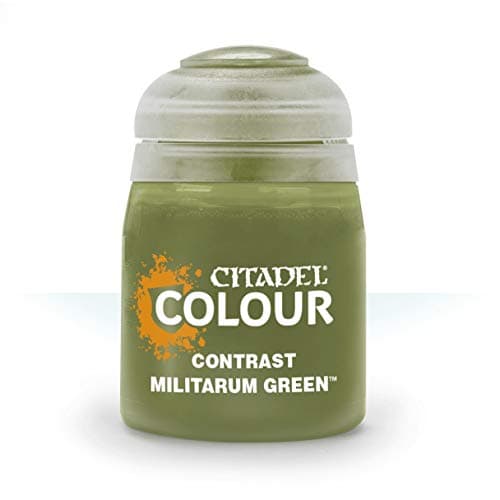
Contrast paints, speed paints, and their many imitators promise something that sounds impossible: base coat, shade, and highlight in a single application. The trick is a highly pigmented, translucent formula in a medium that flows off raised surfaces and pools in recesses. Painted over a light undercoat, the color reads dark in the crevices and bright on the peaks, giving instant tonal variation. For batch painting and for beginners chasing early wins, these paints have genuinely changed the hobby's economics.
Products from this article
The highest-scoring picks from the buying guides this article links to. Scores are our editorial assessment, not customer ratings.
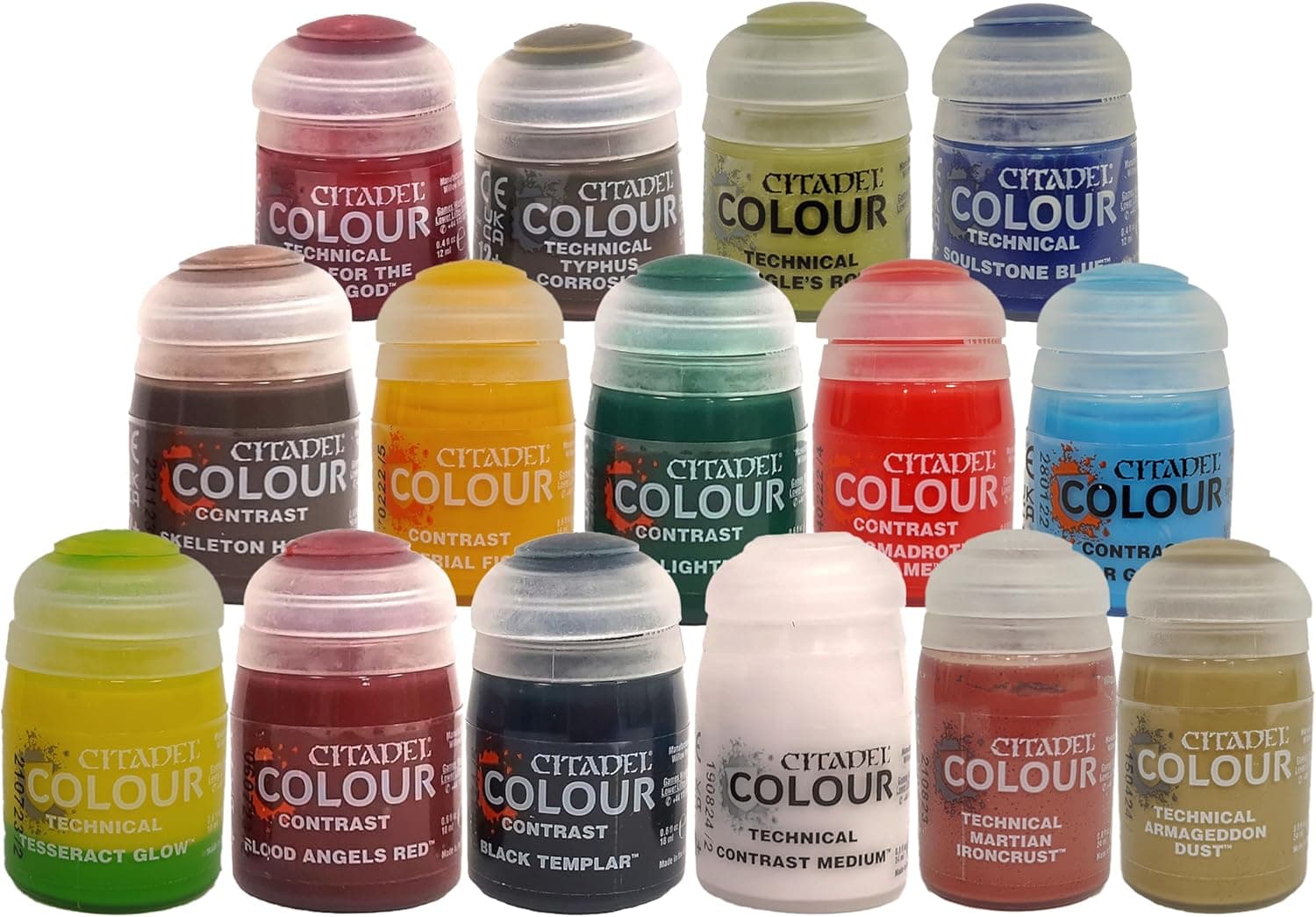
+ Mix of Contrast and Technical paints covers fast bases and texture effects
From our guide: Best Contrast Style Paints for One-Coat Miniature Painting
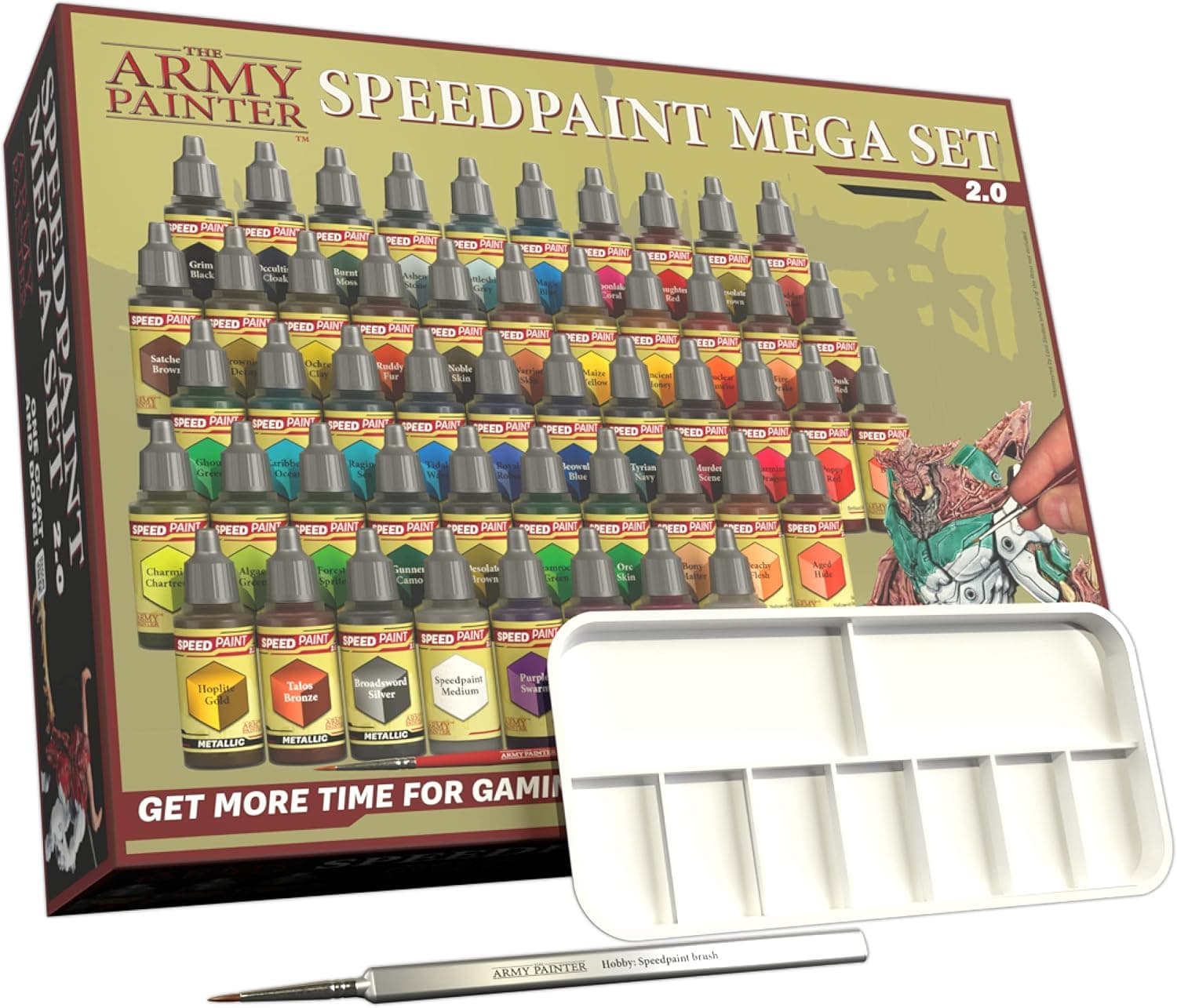
+ 50 speed paints cover almost any army or display scheme you plan
From our guide: Best Speed Paints for Fast Miniature Painting
+ Bases, shades and highlights in one coat, the effect Contrast paints are known for
From our guide: Best Contrast Style Paints for One-Coat Miniature Painting
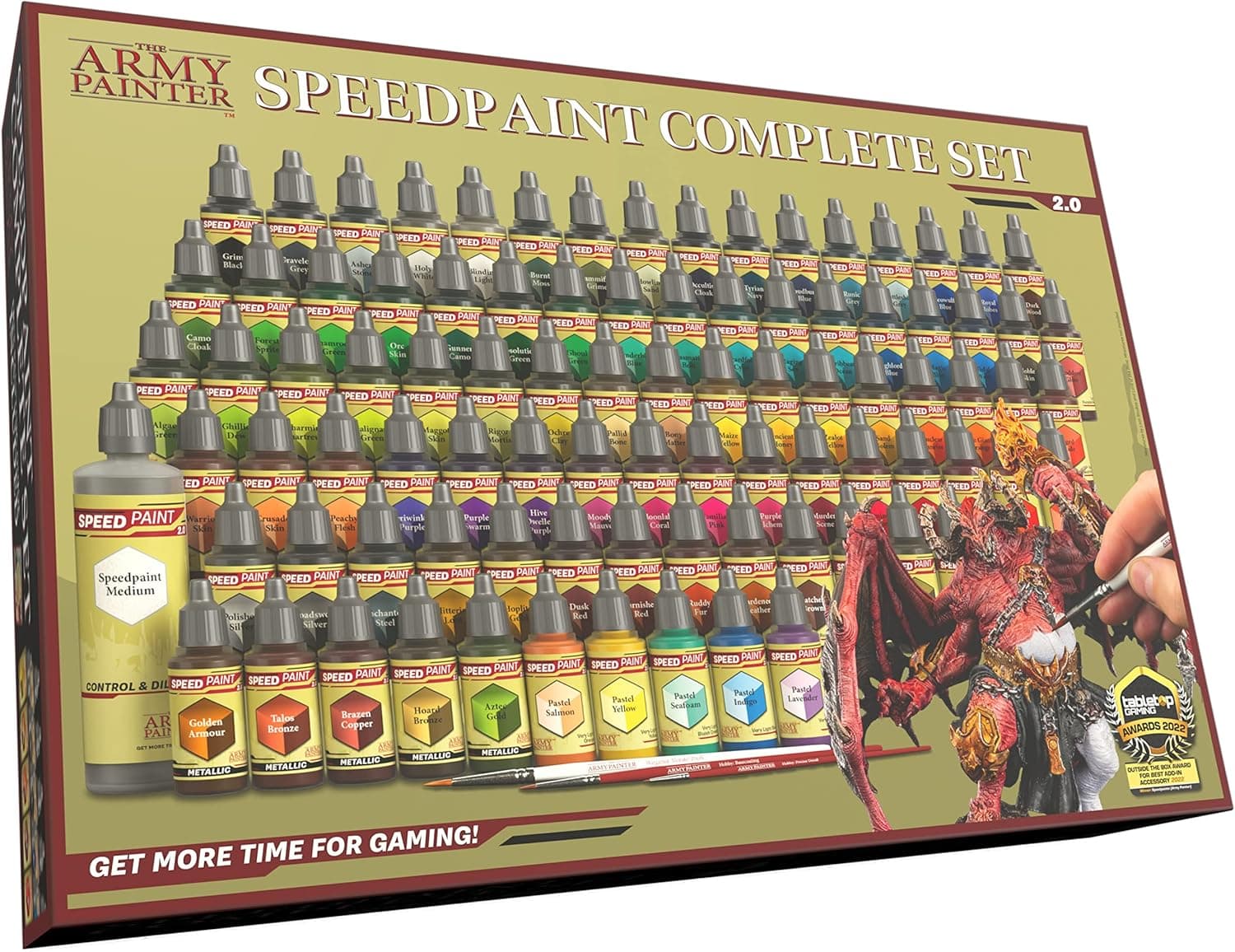
+ 90 bottles make it the full Speedpaint 2.0 range in one purchase
From our guide: Best Speed Paints for Fast Miniature Painting
They only work over the right foundation. Because the paints are translucent, the undercoat provides all the brightness; a light grey or white prime is effectively mandatory, and a zenithal prime, dark below and light above, makes the effect even richer. Over black primer, contrast-style paints just look like murky gloss. Many manufacturers sell paired bright primers and speed paints for exactly this reason. Whatever brand you use, take the priming step more seriously than you would for traditional paint.
Application technique differs from normal painting. Load the brush generously and work the paint into an area quickly, then stop touching it. The medium is doing the sorting for you, and fiddling with half-dry paint leaves ugly patches. Watch for excessive pooling in large hollows and wick it out with a dry brush before it dries into a dark blotch. On big flat areas, expect visible brush strokes and blotching; these paints excel on texture and struggle on smooth panels, which is worth knowing before you commit a whole tank to them.
Different surfaces reward different products. Heavily textured sculpts, fur, feathers, robes, muscle, take one-coat paints beautifully. Skin tones work well with light-handed application. For smooth armor, many painters instead base coat traditionally and use speed paints only as filters or shades. You can thin one-coat paints with their dedicated mediums to use them as glazes, or intensify recesses with a second targeted coat. Treating the bottle as one tool among many, rather than a whole methodology, gets the best out of it.
The most effective workflow for armies combines methods. Zenithal prime, apply speed paints across the model for the main colors, then spend your remaining time on ordinary opaque highlights: an edge highlight on armor, a dot in the eyes, a bright drybrush on texture. This hybrid approach reclaims the crisp finish that pure one-coat painting lacks while keeping the total time per model low. A squad done this way in an evening can genuinely stand next to models painted the slow way.
Be honest about the limits. One-coat paints dry with a slight sheen that usually wants a matte varnish. Mistakes are harder to fix than with opaque paint, because you cannot simply paint over an error without losing the translucent effect; keep the undercoat color handy for spot repairs before re-glazing. And every model painted this way shares a family resemblance, a certain stained-glass look, that you may eventually outgrow. Used with intent, though, contrast-style paints are the single biggest time saver to arrive in decades.
Popular right now
- The Best Miniature Carrying Cases for TransportBuying guide
- Best Texture Paints for Basing MiniaturesBuying guide
- Best Drybrushes for Miniatures and TerrainBuying guide
- The Best Magnifiers for Miniature PaintingBuying guide
- Best Miniature Paint Sets for Tabletop PaintersBuying guide
- Best Speed Paints for Fast Miniature PaintingBuying guide
Based on the last 28 days of search and visitor data.